Peter Smith
The New Economics of Fan-Driven Content
Traditional media companies are witnessing an unprecedented shift in power dynamics. Fan communities now possess the ability to make or break entire franchises through coordinated social media campaigns, viral content creation, and collective purchasing decisions. This phenomenon extends beyond simple viewership metrics into tangible market influence that executives can no longer ignore.
Studios and production companies have restructured their entire development pipelines to incorporate real-time fan feedback. Netflix's interactive programming experiments, Disney's social listening strategies, and HBO's community-driven marketing campaigns demonstrate how fan sentiment analysis has become as crucial as traditional market research. The integration of sophisticated analytics tools allows companies to track engagement patterns and adjust content strategies accordingly, as detailed in recent industry analysis from PWC.
Digital Platforms as Amplification Engines
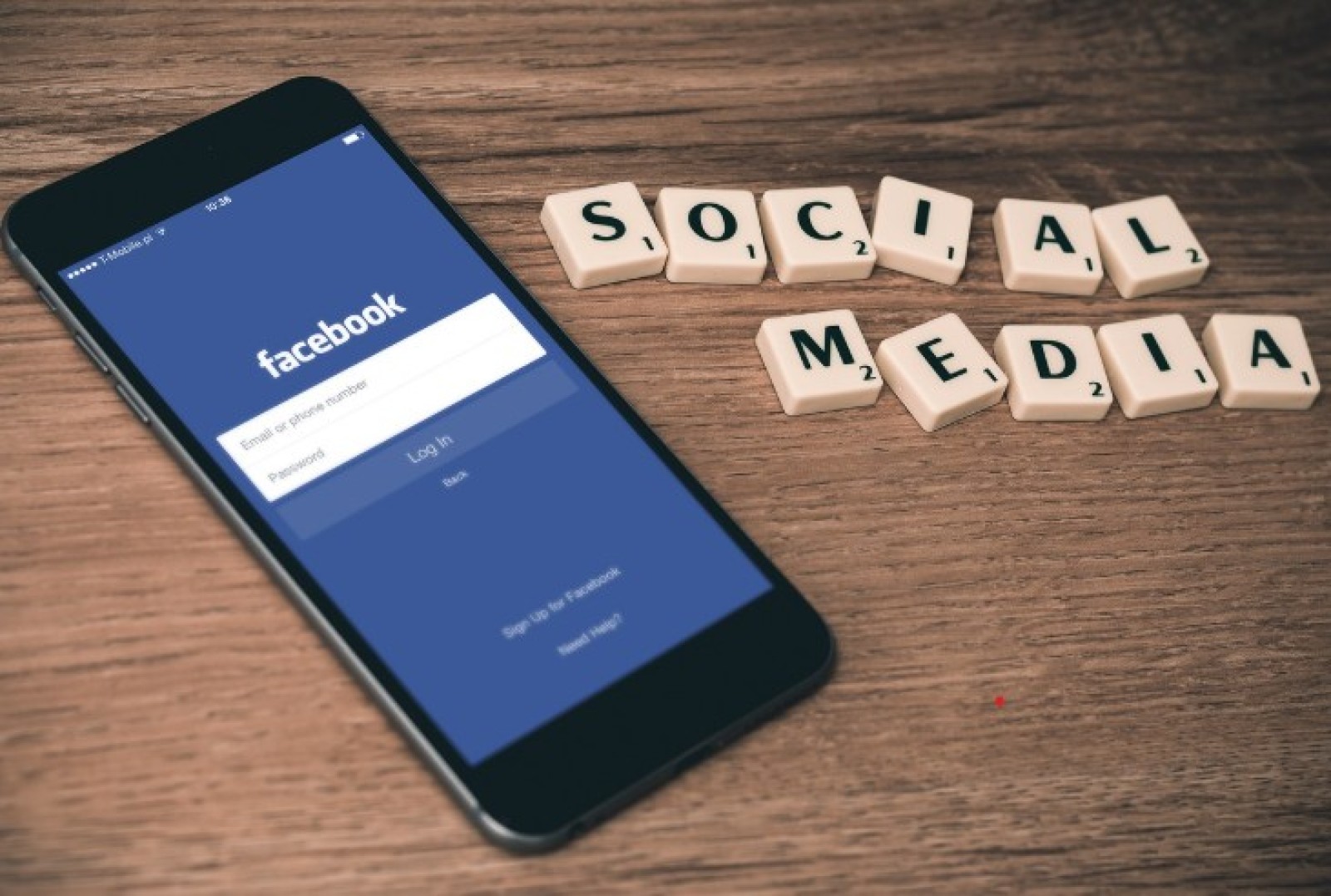
Social media platforms have evolved into powerful incubators for fan-driven movements. TikTok algorithms can transform obscure content into global phenomena within hours, while Twitter campaigns mobilize millions of fans to support or boycott specific productions. This amplification effect has created new career paths for content creators who specialize in fan engagement rather than traditional production roles.
The streaming revolution has further accelerated this trend by providing granular data on viewer preferences and behaviors. Platforms can now track not just what people watch, but exactly when they pause, rewind, or abandon content. This data feeds directly into production decisions, creating a feedback loop where fan preferences shape future content in increasingly precise ways.
Gamification elements have become essential tools for maintaining engagement between content releases. From augmented reality experiences tied to movie releases to interactive storylines in music videos, creators are building persistent worlds that keep fans engaged year-round. This constant engagement translates directly into merchandise sales, subscription renewals, and ancillary revenue streams that often exceed the primary content's earnings.
The Monetization Revolution
Fan hype has created entirely new revenue categories that didn't exist a decade ago. Direct-to-fan platforms enable creators to bypass traditional distribution channels, capturing higher profit margins while building deeper relationships with their audiences. Patreon subscriptions, exclusive Discord communities, and NFT collections represent just the beginning of this economic transformation.
Sports franchises have particularly embraced this model, developing sophisticated fan engagement strategies that blur the lines between entertainment and interactive experiences. Much like how poker games create immersive experiences through live streaming and real-time interaction, sports leagues now offer virtual season tickets, behind-the-scenes access, and gamified prediction platforms that generate substantial recurring revenue.
Engineering the Future of Fan Engagement
Forward-thinking media companies are investing heavily in artificial intelligence and machine learning systems designed to predict and amplify fan enthusiasm. These technologies analyze millions of social media posts, viewing patterns, and purchase behaviors to identify emerging trends before they reach mainstream awareness. The resulting insights drive everything from casting decisions to merchandise design.
Personalization algorithms now create unique experiences for individual fans, adjusting content recommendations, marketing messages, and even plot elements based on personal preferences. This hyper-targeted approach transforms casual viewers into dedicated advocates who actively promote content within their social networks.
The convergence of fan hype and media production represents a fundamental shift in how entertainment industries operate. As technological capabilities expand and fan communities grow more sophisticated, the line between creator and consumer continues to blur, establishing a new paradigm where audience engagement drives both creative and commercial success.
 Peter Smith