Editorial staff
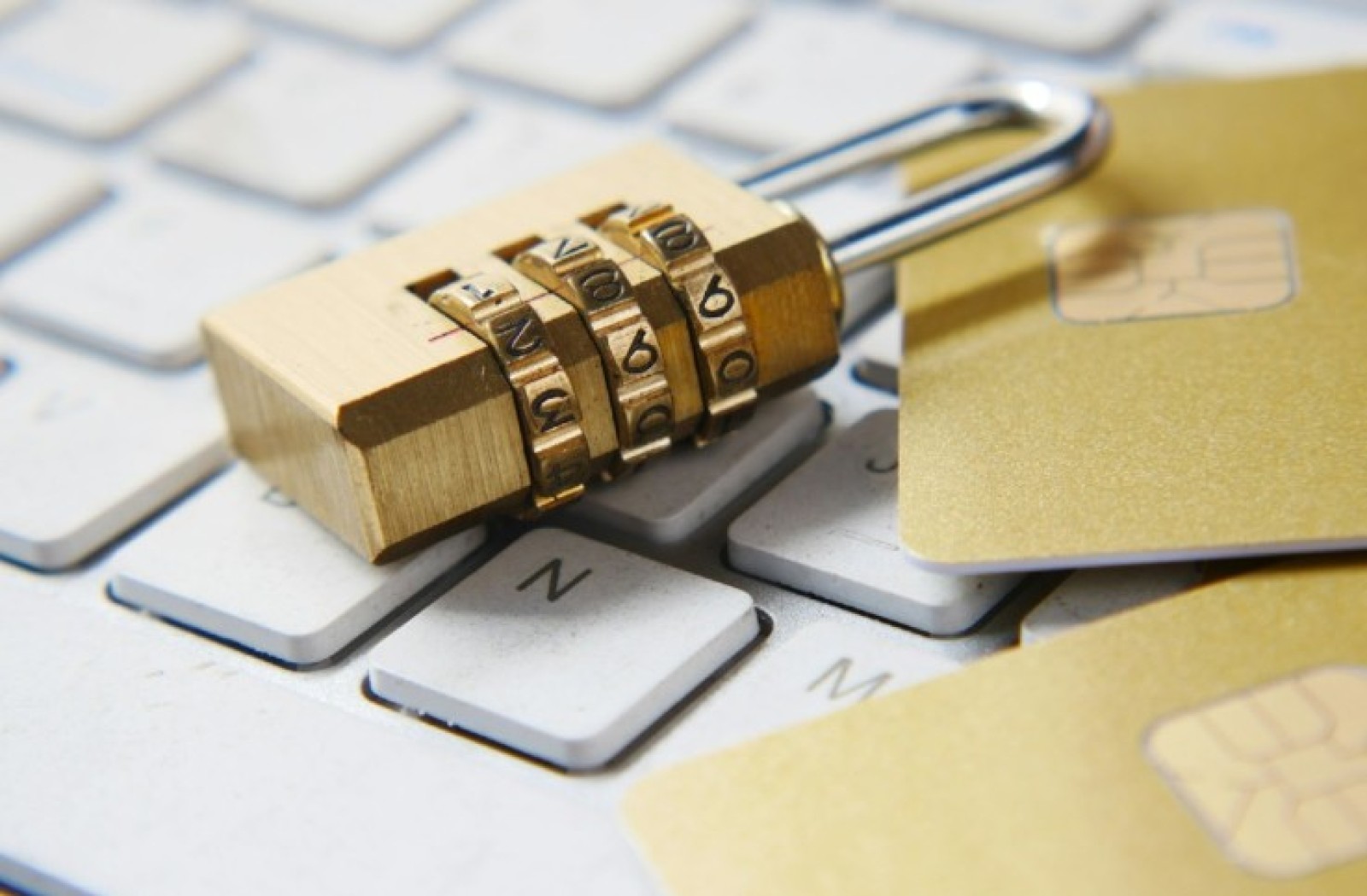
And that’s why you now hear people casually talking about safer payment options, the same way they talk about weather or mortgage rates. Someone recommends a budgeting app, another suggests using prepaid cards for online shopping, and someone else brings up using a PaysafeCard casino online option because it feels safer than exposing your full bank account.
It’s not about the activity itself (since it’s not something worth discussing). In the end, it’s another type of budgeting app, one that spreads by word of mouth. And it’s not a habit born of paranoia, but of being a practical individual in a tech-first environment, protecting what’s in your wallet.
So, this is where the “how” and the “why” converge. How Canadians protect themselves online is changing fast, and why they do it says a lot about how our habits, fears, and expectations have evolved in the digital age.
Why Are Canadians So Careful With Their Online Payments?
Before we break down how Canadians protect their wallets online, it helps to examine the reasons that underlie this cultural shift.
Too Many Sites Are Asking for Too Much Information
The internet used to feel like a handful of trusted destinations. Now every website, app, and platform acts like it needs your full identity. Canadians started noticing how often they were being asked for their home address, phone number, date of birth, email access, in-app permissions, and more.
Many of these requests feel excessive for what platforms offer in return. This flood of personal data demands made Canadians question whether a site really needs to know all that personal information. And when the answer is negative, that’s exactly when the habit change happens.
Digital Payments Have Become the Default, Not the Backup
Five years ago, many Canadians still preferred paying in-store or at the time of delivery. But since COVID-19, online payments have become the norm for groceries, takeout, government services, school fees, prescriptions, entertainment, hardware, gift cards, and cosmetics.
This matters because the more transactions you make and the more online merchants you communicate with, the more chances there are for your financial data to end up in the wrong place.
The Volume of Online Fraud Globally Is Impossible to Ignore
Even if someone hasn’t been scammed, they’ve seen enough headlines to know the landscape changed dramatically. Just a quick look at the most viewed web pages on cybercrime shows an uncomfortable reality — global cybercrime loss estimates have reached over $10 trillion annually, a figure so large it becomes abstract. You don’t need a specific kind of fear-prone attitude to understand it — it’s common sense.
Personal Stories Spread Faster Than Corporate Guarantees
One person sharing that their card has been compromised travels faster than any press release about improved security. News magazines and smaller online media replicate these stories 100 times faster than a business would pay to spread their digital marketing strategy.
The Digital Marketplace Became Bigger Than the Physical One
Canadians shop more online than in-store for most product or service categories. More specifically, clothing, electronics, home goods, entertainment, and meal delivery are dominated by digital checkout. A large portion of daily financial life now happens in spaces the consumer can’t physically see or assess.
So when your financial life becomes virtually invisible, you protect the parts you can control, such as:
- Information you share
- The payment method you use
- The traceability of the payment trail
Many more threats are lurking around, but you get the gist.
How Canadians Reduce Exposure: The Practical Safety Habits
Canadians aren't just reading forums and watching videos about digital safety. They’re actually practicing, implementing, and learning. Let’s look at some of the common ways in which they use their protection toolkit.
They Separate Personal Banking from Online Spending
One of the biggest behavioural changes in recent years is the move toward financial compartmentalization. Canadians increasingly divide their money into “online risk” and “offline safety.” This includes:
- Prepaid payment systems
- Low-balance online-only debit accounts
- Controlled spending wallets
- Limited-use virtual cards
This means that even if data gets compromised, the damage is contained. Or, as James Segrest, online gambling expert at CasinoOnlineCA says, “People finally realized that the safest money is the money that isn’t directly tied to your main account and cannot be traced to your deeper personal information or databases.”
They Choose Payment Methods Built for Privacy
This is where prepaid systems like the Paysafe Card, cash vouchers, and one-time-use codes shine. They don't require personal banking data, and they limit the financial surface area a hacker could exploit.
The logic behind it is quite simple — you cannot steal what you cannot access.And Canadians love a simple, practical solution. It’s why privacy-first payment systems are being adopted faster here than in many other countries.
They Research Websites More Than Products
Canadians have turned website vetting into a sport. Before buying anything online, they now examine (or more likely, dissect) the entire website, looking for:
- SSL certificates
- Domain spelling
- Customer review consistency
- Refund policies
- Response times
- Security badges
- Third-party verification
It’s no longer enough for a product to be good. It has to be proven to be good and sold on a good marketplace.
They Use Security Tools
For a long time, most people assumed that being careful online meant looking at URLs twice or triple-checking email addresses for spam. “Real security tools exist, and we are not all professionals in the field, so I guess we stopped acting as such,” James Segrest adds.
This includes things such as:
- Two-Factor Authentication (2FA)
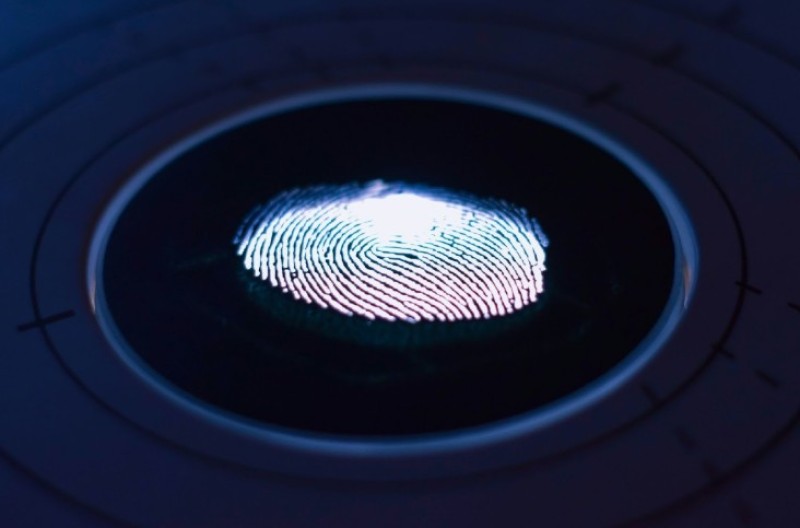
- Biometric logins (fingerprints, facial recognition)
- Password managers that generate impossibly strong passphrases and store them safely
- Device-level encryption that turns phones and laptops into locked vaults
- Private browsing modes or tracker blockers that hide the data trail
- Security notifications for logins, location changes, or suspicious activity
These tools take minutes to set up, but they close the doors that criminals can otherwise open with relative ease.
Takeaways
In the end, we can see that Canadians aren’t becoming digital-security experts but digital realists. The internet has changed, the risks have multiplied, and people have adjusted with a kind of quiet practicality that fits the digitally wise personality.
They learned to lower their exposure rather than their expectations, to trust systems only when they make sense, and to protect their data with the same seriousness as they earn and protect their savings. In such a fast, noisy online world, that kind of clarity is a necessary defence, a source of security, and a driver of digital evolution.
 Editorial staff