Peter Smith
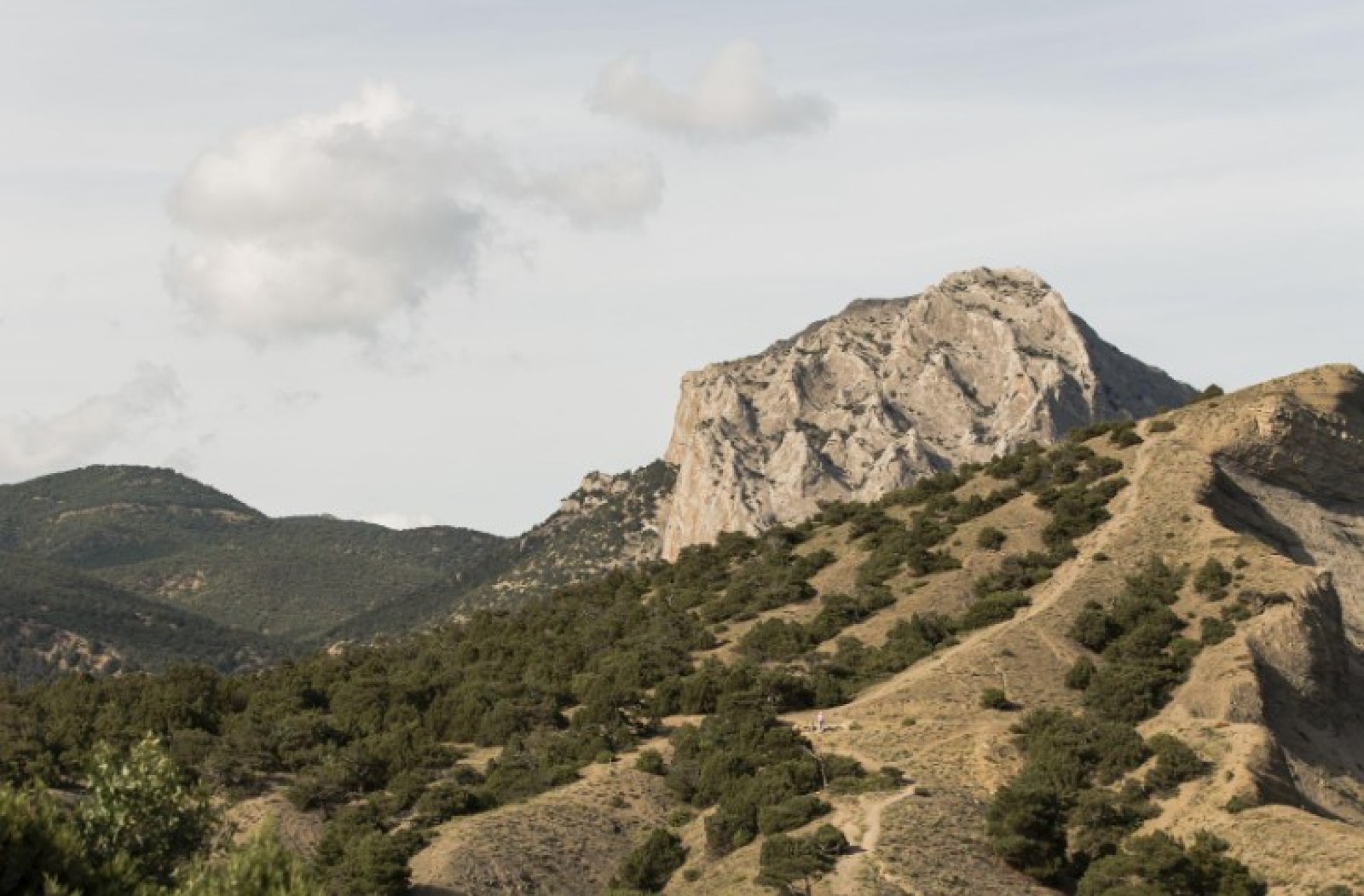
Southeast Asia has long been a staple for leisure travelers, but a distinct shift is occurring as the region cements its status as a premier hub for adventure sports tourism. Moving beyond traditional sightseeing, an increasing number of visitors are prioritizing high-octane physical activities, ranging from technical rock climbing to deep-sea diving. This sector’s growth is driven by a desire for immersive athletic experiences, where the natural topography of nations like Indonesia, Thailand, and Malaysia serves as a world-class arena for endurance and skill testing.
Marine Frontiers and Surf Culture in the Archipelago
Indonesia’s vast coastline offers some of the most consistent surf breaks globally, attracting a dedicated demographic of athletes who treat travel as a pilgrimage to legendary waves. The infrastructure supporting this sport has modernized significantly; while international enthusiasts often track World Surf League standings via the MelBet app Indonesia to gauge competitive benchmarks, those on the ground in Uluwatu or the Mentawai Islands are focused on the immediate physical reality of the swell. This duality of digital tracking and physical participation highlights how modern surf culture operates, blending remote spectatorship with active engagement in the sport.
Beyond the surface, the underwater economy is equally vital to the region's tourism portfolio. Raja Ampat in West Papua, often cited as having the highest marine biodiversity on Earth, drew over 33,000 visitors in 2024 despite its remote location. Divers here are not casual tourists but often certified athletes seeking technical drift dives and pelagic encounters. The emphasis has shifted toward "hard" adventure tourism, where visitors invest significantly in equipment and certification to access protected marine parks, contributing directly to local conservation efforts through permit fees.
Vertical Ascents and Highland Expeditions
While Indonesia dominates the hydro-sports sector, Thailand and Malaysia have carved out niches in vertical exploration. Thailand’s Railay Beach is globally renowned for limestone karst climbing, offering over 700 bolted routes that range from beginner ascents to multi-pitch professional challenges. Conversely, Malaysia’s Mount Kinabalu presents a high-altitude endurance test, featuring one of the world’s highest via ferrata routes at 3,776 meters above sea level.
Comparative Analysis of Key Adventure Hubs
| Feature | Railay Beach (Thailand) | Mount Kinabalu (Malaysia) |
| Primary Activity | Sport Climbing / Bouldering | High-Altitude Trekking / Via Ferrata |
| Technical Difficulty | Grade 5 to 8c+ (French System) | Non-technical summit; Technical Via Ferrata |
| Key Topography | Limestone Karst over Ocean | Granite Pluton (4,095m elevation) |
| Access Regulation | Open access (tidal dependent) | Strict daily quota (approx. 163 permits) |
Digital Infrastructure and Access Management
The logistics of adventure tourism have become increasingly digitized, requiring travelers to navigate complex online systems to secure their spot in these competitive environments. Much like a completed MelBet registration Indonesia process is the necessary gateway for users to access specific sports markets, adventurers in Southeast Asia must navigate rigorous digital booking systems to obtain limited permits for protected areas like Sipadan or Kinabalu. This digitization ensures that carrying capacities are respected, preventing over-tourism in ecologically sensitive zones while streamlining the experience for international visitors who must plan months in advance.
Governmental bodies in Malaysia and Thailand have integrated these digital platforms to monitor visitor flows and enforce environmental regulations effectively. By mandating online registration for high-impact activities, authorities can dynamically adjust quotas based on ecological data, ensuring that the natural assets remain pristine. This shift forces spontaneous travelers to adopt a more disciplined approach, mirroring the preparation required for the sports themselves.
Virtual Communities and Remote Spectatorship
The relationship between travel, sport, and digital interaction extends to how fans consume these activities remotely. Regional market analysis suggests that while digital entertainment platforms, such as the online casino Philippines sector, continue to capture a significant share of the leisure market, the adventure sports segment commands a unique loyalty driven by physical participation. However, the two worlds often overlap; traveling athletes frequently maintain connections with their digital communities, following major competitions online and participating in friendly betting pools that enhance the excitement of the sport even when they are off the field.
This connectivity has created a hybrid tourism model where the physical experience is augmented by digital engagement.
This dynamic is characterized by several key behaviors observed among traveling athletes:
- Augmented Experiences: Travelers in destinations like Bali or Krabi remain digitally tethered to global sports networks, ensuring they never miss critical industry updates.
- Active Downtime: Surfers and climbers utilize rest periods to engage with online communities, sharing real-time updates and analyzing competitive data.
- Ecosystem Integration: The boundary between participant and spectator is erased, creating a feedback loop where travel experiences are continuously fed back into online fan networks.
Sustainable Growth in the Adventure Sector
The trajectory of adventure sports tourism in Southeast Asia points toward a continued fusion of athletic rigor and travel. Destinations are no longer just selling scenery; they are selling world-class facilities for sport. As places like Krabi, Sabah, and West Papua refine their management of natural resources, they ensure that the economic benefits of this tourism model—driven by high-spending, low-impact athletes—support long-term preservation. The future of travel in this region lies in this balance between accessibility for the global athlete and the protection of the arenas in which they compete.
 Peter Smith