Peter Smith
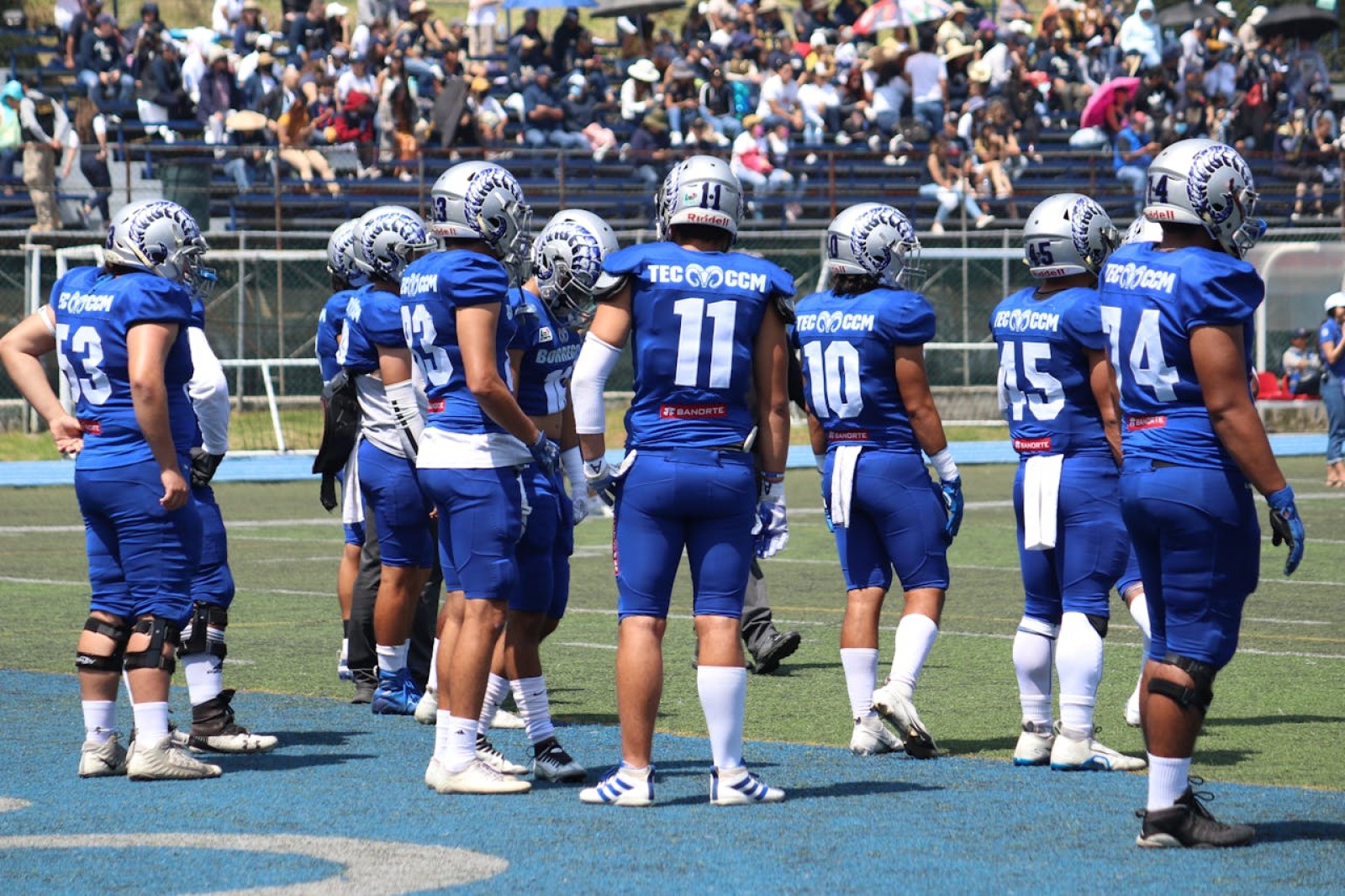
Sports and financial news often move together. Following both creates advantages that single-focus traders miss. Platforms like thsport provide live scores and match analysis. They reveal patterns before they hit mainstream coverage. Smart traders use this information to spot opportunities early. Betting markets, stock movements, and sentiment shifts all respond to sports news.
Track Betting Markets Through Sports Coverage
Sports betting operates like any other financial market. Odds fluctuate based on news, injuries, and performance trends. Serious bettors treat games as tradable events. They calculate probabilities and place strategic bets.
Live match updates reveal information faster than bookmakers can adjust. A star player gets injured in the first quarter. This changes game outcomes immediately. Traders who catch this news first can act quickly. They place bets before odds reflect the new reality. This edge disappears within minutes as bookmakers recalibrate their lines.
Expand Your Sports Portfolio
Following multiple sports expands your opportunity set. Football season overlaps with basketball and hockey games. Boxing matches and tennis tournaments fill the gaps between seasons. Each sport has different market patterns and information sources.
Building a diverse sports news diet increases your chances. You find more mispriced bets across different markets. Some traders focus only on major leagues. They miss profitable opportunities in smaller competitions.
Invest in Sports-Related Companies
Public companies in the sports industry respond to on-field results. Apparel brands see stock price movement after championship wins. Media companies gain value when they secure broadcasting rights. Gaming platforms experience volatility around major sporting events.
Nike stock historically moves after athlete endorsers win big. Manchester United's share price correlates with team performance. Draft Kings and FanDuel valuations shift with betting volume. These patterns create tradable opportunities for informed investors.
Research shows championship wins boost team valuations by 15-25%. This effect ripples through supplier and sponsor stocks. Sports business data tracks these correlations over time. Tracking team performance through detailed sports coverage helps anticipate movements. You can position yourself before quarterly earnings reflect the changes.
Read Sentiment Signals from Game Outcomes
Major sporting events influence consumer behavior and market sentiment. World Cup victories boost national currencies temporarily. Olympic host cities see construction and tourism stocks rise. Championship parades increase local retail spending in winning cities.
These effects appear predictable but remain underpriced by many traders. A country wins a major tournament and consumer confidence spikes. People spend more on luxury items and entertainment afterwards. This shows up in retail sales data weeks later. Following sports news closely lets you anticipate these sentiment shifts.
Track the Negative Effects Too
Unexpected losses create inverse effects you can trade. A favored team exits early from a tournament. Sponsor brands take immediate hits in share price. Beverage companies tied to sporting events see decreased sales projections. Media platforms with exclusive rights may need to renegotiate contracts.
Each development creates short-term trading opportunities across asset classes.Patient traders position themselves before the market fully reacts.
Monitor Broadcasting and Sponsorship Deals
Broadcasting rights for major sports leagues represent billion-dollar markets. A streaming platform secures exclusive rights to a popular league. Subscriber numbers surge almost immediately. Traditional cable companies lose value as viewers cut cords. These deals reshape media company valuations overnight.
Sponsorship announcements also move markets in predictable ways. A major brand signs a naming rights deal. This signals marketing budget shifts within the company. Competitor brands may respond with their own sports partnerships. Following the business side of sports reveals these deals early.
Here are some recent market examples worth noting:
- Broadcasting rights for NFL games exceeded $10 billion annually
- Formula 1 expanded to new markets and increased team valuations
- Esports sponsorship deals now rival traditional sports in certain demographics
- Streaming platforms pay premium prices for exclusive live sports content
Pay attention to contract expiration dates and renewal negotiations. These create predictable volatility windows in related stocks. Traders who track sports business news position themselves months ahead. They enter positions before deals close and announcements hit mainstream media.
Apply Real-Time Analysis Across Both Fields
Both sports and financial trading reward quick information processing. Live sports coverage teaches you to read momentum shifts. You learn to spot turning points as they happen. These skills transfer directly to market trading applications.
A team mounts a fourth-quarter comeback in basketball. A stock stages an afternoon rally after negative morning news. The patterns mirror each other in surprising ways. Technical analysis works similarly in both domains too.
Build Pattern Recognition Skills
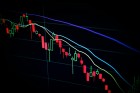
Chart patterns in stock prices resemble scoring trends. Support and resistance levels function like team performance benchmarks. Traders who follow sports develop better pattern recognition. This skill improves their market timing across different asset classes.
National gambling data shows sports betting handles over $150 billion annually. This volume creates liquidity similar to smaller currency pairs. The skills you build analyzing sports markets help elsewhere. Information processing speed matters equally in both trading arenas.
Making Information Work for Your Portfolio
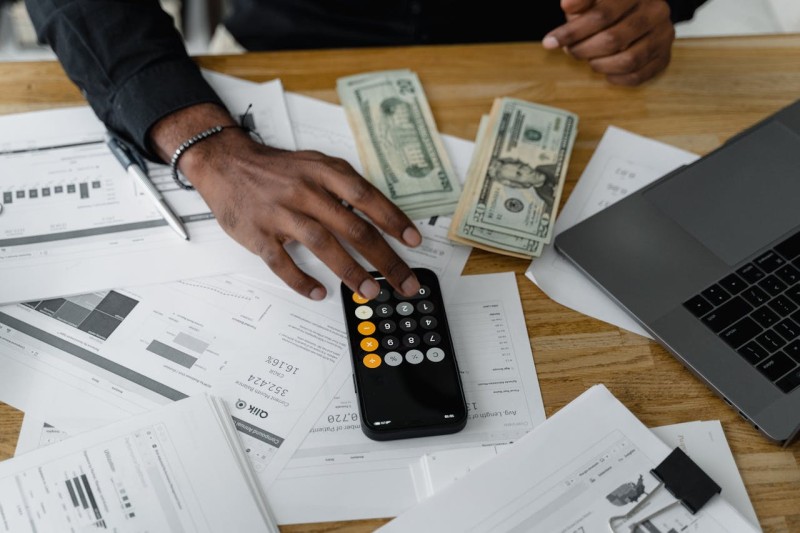
Profiting from sports and financial news requires reliable information streams. Choose sources that deliver updates quickly and accurately. Balance broad coverage with deep analysis in specific areas. Verify claims before taking positions based on rumors.
Set up alerts for key events in both domains. Monitor injury reports, trade deadlines, and contract negotiations closely. Track economic releases, earnings dates, and regulatory changes too. The overlap between these information types creates your advantage. Most traders focus on one area exclusively. They miss profitable connections between sports and financial markets.
Start small and test your approach with limited capital. Track which information sources give you the best edge. Refine your strategy as you learn which sports you understand. Building this dual expertise takes time but compounds over years. Your opportunities multiply as you recognize more patterns.
 Peter Smith