Alex Dudov

- Who Is the CEO of Blue Cross Blue Shield Association?
- Kim Keck's Early Career and First Paycheck
- The Career Climb: From Mid-Level Manager to Executive Powerhouse
- Peak Success: Who Is Leading Blue Cross Blue Shield Today?
- Current Net Worth and Earnings
- Kim Keck's Blueprint for Success: Key Philosophy
If you've been asking who is the CEO of Blue Cross Blue Shield, the answer is Kim Keck – and she's been running the show since 2020. She heads up the Blue Cross Blue Shield Association, which coordinates 33 independent Blue Cross Blue Shield companies covering about 115 million Americans. That's roughly one out of every three people in this country relying on the network she oversees. Her story isn't one of overnight success – it's decades of grinding through the healthcare industry, learning its quirks, and eventually landing at the top of the pile.
Who Is the CEO of Blue Cross Blue Shield Association?
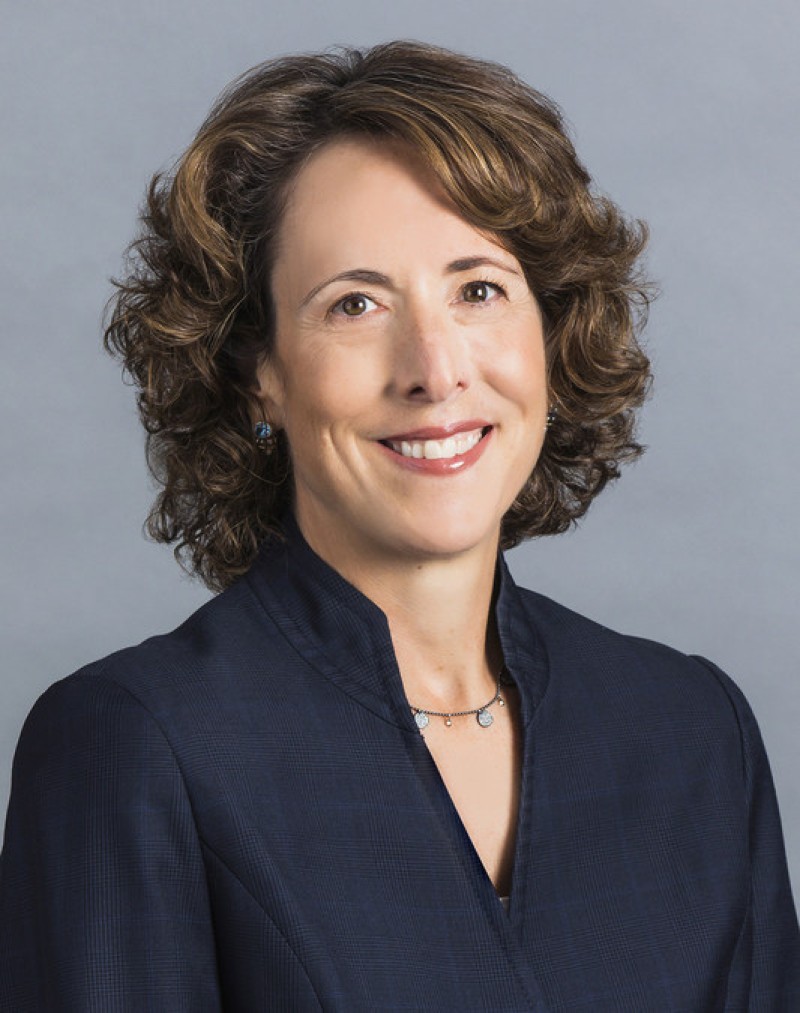
Kim Keck holds the President and CEO position at the Blue Cross Blue Shield Association, and she's been calling the shots since 2020. Before landing this gig, she spent years working her way up through various Blue Cross Blue Shield companies, getting her hands dirty with the real nuts and bolts of healthcare insurance.
The woman knows this business inside and out – not just the boardroom strategy stuff, but how hospitals, doctors, and insurance actually work together on the ground. She's basically the person trying to keep 33 different companies rowing in the same direction, which is no small feat when you're dealing with healthcare across every corner of America.
Kim Keck's Early Career and First Paycheck

Keck got her start in healthcare back in the 1990s, though she didn't immediately jump into insurance. Her first real paychecks came from healthcare administration and consulting gigs, where she learned how the system actually functions – the good, the bad, and the frustratingly complicated.
Those early years were all about understanding how hospitals operate, how physicians think, and where the money flows. It wasn't glamorous work, but it gave her something most executives never get: real ground-level experience with how healthcare decisions affect actual human beings. She built her reputation as someone who could spot problems and actually fix them, not just write fancy reports about them.
The Career Climb: From Mid-Level Manager to Executive Powerhouse

Through the 2000s and into the 2010s, Keck kept climbing higher in the Blue Cross Blue Shield world. She took on bigger roles in strategic planning, operations, and eventually executive leadership at regional plans.
Her paycheck grew along with her responsibilities – starting in the mid-six figures and eventually breaking into seven-figure territory as she proved she could handle billion-dollar operations.
By the time she hit senior VP and C-suite positions around the mid-2010s, she was probably making somewhere between half a million to over a million bucks annually, depending on how well things went each year. What made her stand out wasn't just cutting costs or hitting numbers – she actually seemed to care about making healthcare work better for real people while keeping the business side healthy.
Peak Success: Who Is Leading Blue Cross Blue Shield Today?
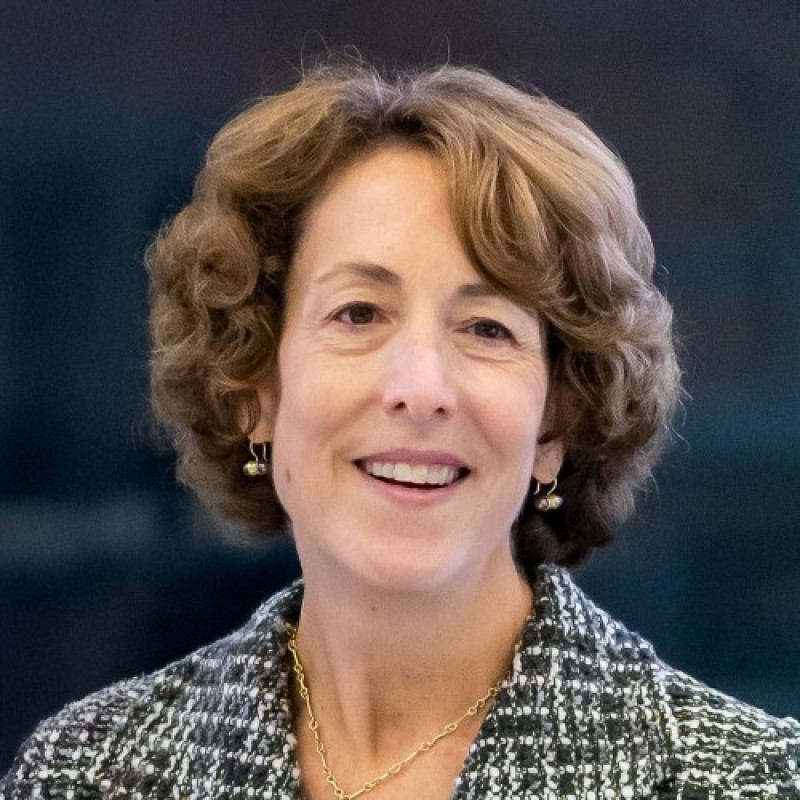
Keck reached the top of the mountain in 2020 when she became CEO of the Blue Cross Blue Shield Association. Perfect timing, right? The pandemic hit and suddenly who is the CEO of Blue Cross Blue Shield became a really important question.
She found herself coordinating healthcare strategy for 115 million Americans during one of the craziest healthcare crises in modern history. These days, her compensation package sits somewhere in the multi-million range – probably between three and five million dollars a year when you add up salary, bonuses, and all the other executive perks.
She's steering the ship through ongoing battles over healthcare costs, insurance coverage debates, and trying to figure out how to make healthcare more affordable without breaking the system.
Current Net Worth and Earnings

Keck keeps her personal finances under wraps, like most smart executives do, but people who track this stuff estimate her net worth probably lands somewhere between ten and twenty-five million dollars.
That's what happens when you spend decades earning executive-level pay, accumulating stock options, maxing out retirement accounts, and making decent investment choices along the way. Right now, as CEO of the Blue Cross Blue Shield Association, she's likely pulling in around four to five million annually when you factor in everything – base salary, performance bonuses, deferred compensation, the whole package.
That puts her up there with the top healthcare executives in the country, though not quite at the stratospheric levels where some pharmaceutical company CEOs and hospital system chiefs sit. Still, not too shabby for someone who started out in healthcare administration thirty-some years ago.
Kim Keck's Blueprint for Success: Key Philosophy
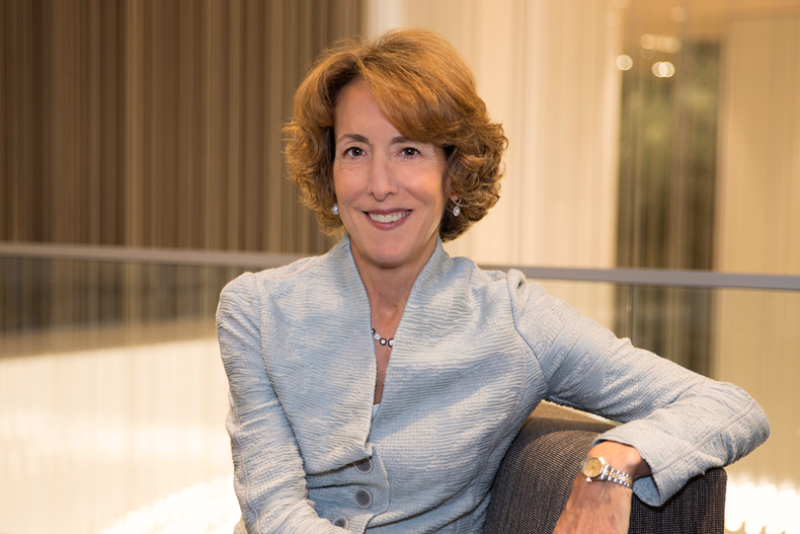
People who've worked with Keck say she follows some pretty clear principles. First up, she's huge on what she calls collaborative leadership – basically recognizing that nobody has all the answers in healthcare, so you've got to build real partnerships instead of just ordering people around. Second, she loves data and analytics but never forgets there are actual human beings behind all those numbers.
Healthcare isn't just spreadsheets and profit margins; it's about people getting the care they need when they're scared and vulnerable. Third, she thinks long-term rather than chasing quick wins. The healthcare game rewards patience – investing in systems and relationships that take years to pay off, not just hitting quarterly targets.
Finally, Keck is big on adaptability. She's willing to question her own assumptions and change course when the facts tell her to. Healthcare keeps evolving with new tech, changing regulations, and shifting patient needs, and executives who can't adapt get left in the dust. Her whole career proves that mixing deep industry knowledge with genuine empathy and strategic flexibility can take you all the way to the top, even in something as complicated and messy as American healthcare.
 Alex Dudov