Sergey Diakov
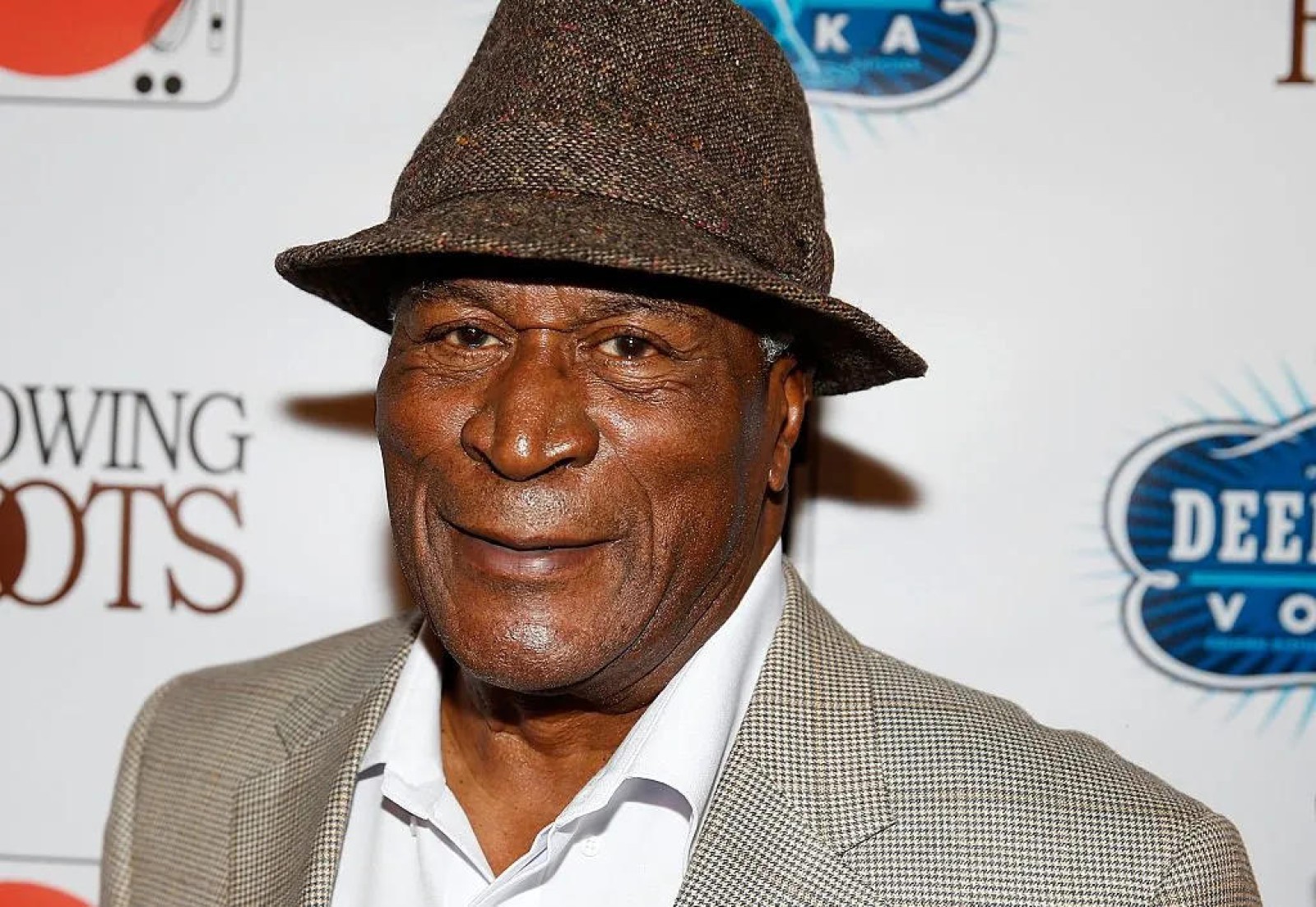
John Amos was never supposed to be an actor. He was a football player, a boxer, and a kid from New Jersey with bigger dreams than his neighborhood could hold. But life had other plans, and the path that took him from minor league football fields to the sets of some of America's most iconic TV shows turned out to be the right one. His story is not a rags-to-riches fairy tale. It's something more real, and honestly more interesting, than that.
Growing Up and Chasing the First Dollar
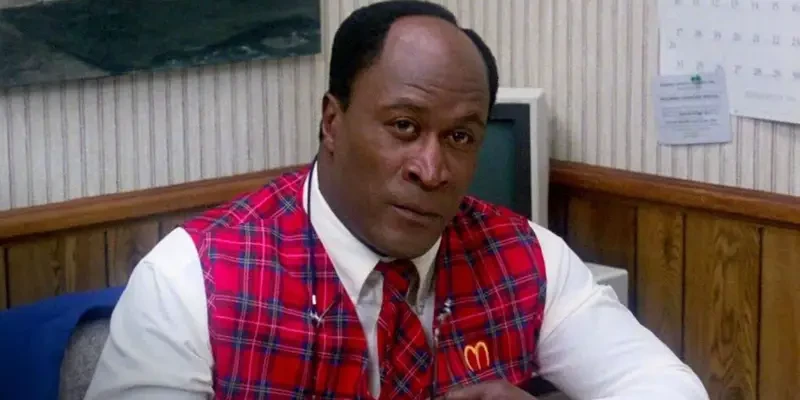
John Allen Amos Jr. came into the world on December 27, 1939, in Newark, New Jersey. His father was an auto mechanic, and money was never something the family had in excess. Growing up in East Orange, John threw himself into sports, football and boxing mostly, because that's where kids like him found a way out. He was good enough to earn a spot at Long Beach City College and later graduated from Colorado State University with a sociology degree, all while playing football and winning a Golden Glove boxing title.
His first real shot at professional income came in 1964 when he signed as a free agent with the Denver Broncos. That dream lasted exactly two days before a pulled hamstring ended it. He drifted through minor league teams, the Canton Bulldogs, the Norfolk Neptunes, the Waterbury Orbits, picking up modest paychecks but nothing close to financial security. In 1967, he got one last NFL opportunity with the Kansas City Chiefs before walking away from football for good.
First Real Job and the Road to Television
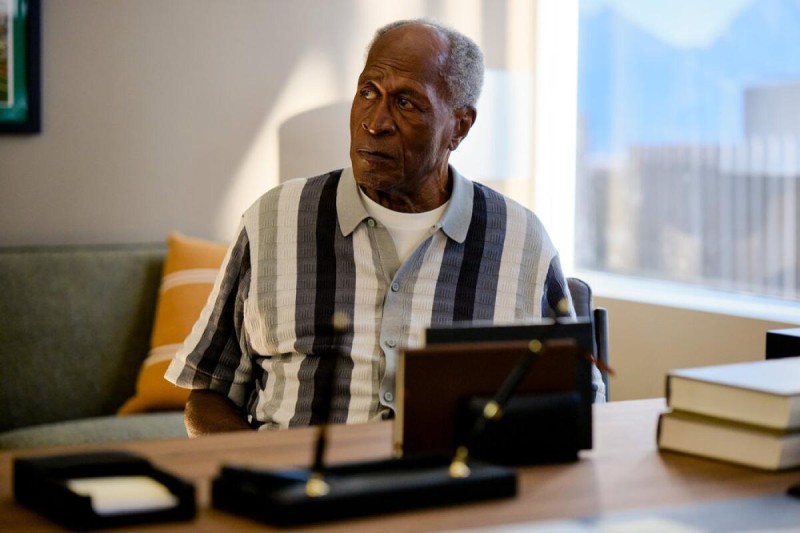
After football was done, Amos had to figure out what came next. He worked as a stand-up comedian and took a job as a copywriter at an advertising firm, just keeping the lights on while he chased something bigger. He started doing small theater roles in the early 1970s, and that grind eventually paid off when he landed his first regular TV job playing weatherman Gordy Howard on "The Mary Tyler Moore Show" from 1970 to 1973.
It wasn't life-changing money, but it was steady work and it put his face in front of millions of American households every week. For an actor still finding his footing, that kind of visibility was worth more than any paycheck. He was building a reputation, one appearance at a time, and people were starting to take notice.
Good Times, Big Fame, and John Amos at His Peak
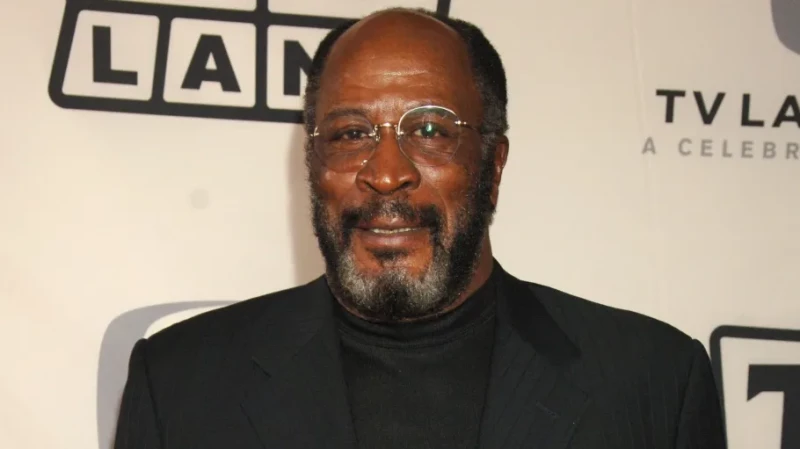
The breakthrough came in 1974 when Amos was cast as James Evans Sr. on the CBS sitcom "Good Times." He starred in 61 episodes through 1976, playing a hardworking father doing everything he could for his family in a Chicago housing project. The character hit home with audiences all across the country, and overnight John Amos became a genuine television star.
His Emmy-nominated turn in the 1977 miniseries "Roots," where he played the adult Kunta Kinte, pushed him even further into the spotlight. That performance is still talked about today as one of the finest in American television history. The late 1970s and 1980s were when John Amos net worth and career profile were both riding high. He appeared in "Coming to America" alongside Eddie Murphy in 1988, played a memorable role in "Die Hard 2" in 1990, and logged 22 episodes of "The West Wing" between 1999 and 2004. The work never really stopped, even if the blockbuster paychecks didn't come with it.
John Amos Net Worth and the Financial Reality
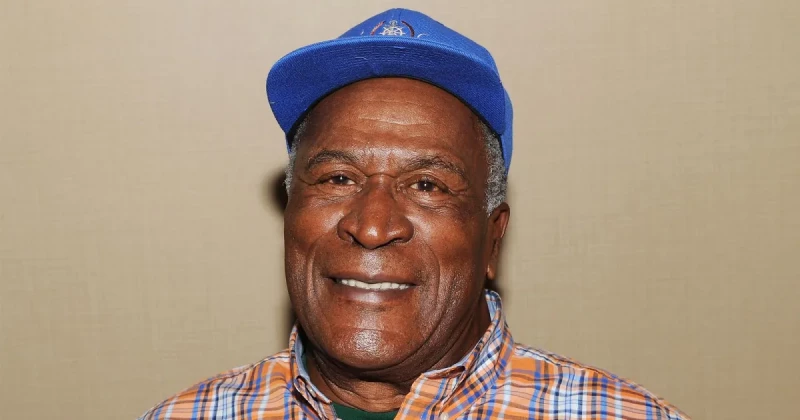
Here's where the story gets complicated. Despite five decades in the industry, John Amos net worth at the time of his death on August 21, 2024, was somewhere between $300,000 and $3 million depending on the source. For a man with his resume, those numbers surprised a lot of people.
Part of the story involves real estate. Back in 1990, he bought a home in Lebanon, New Jersey for $337,000. He tried to sell it in 2016 for $439,000 and found no takers. By 2018 the property went into foreclosure and eventually sold in 2021 for just $288,000, a real loss on a purchase he'd held for over thirty years. In 2023, his daughter Shannon launched a GoFundMe campaign aiming to raise $500,000, claiming he had suffered elder and financial abuse. Amos publicly pushed back on those claims. His last screen appearance came in the 2023 British film "The Last Rifleman," proof that even at 84 he was still showing up to work.
The 1970s TV contracts he worked under simply didn't have the kind of residual structures that would make an actor wealthy for life. He chose artistic integrity over steady paychecks more than once, including leaving "Good Times" over creative differences, and that cost him too.
What John Amos Believed About Success
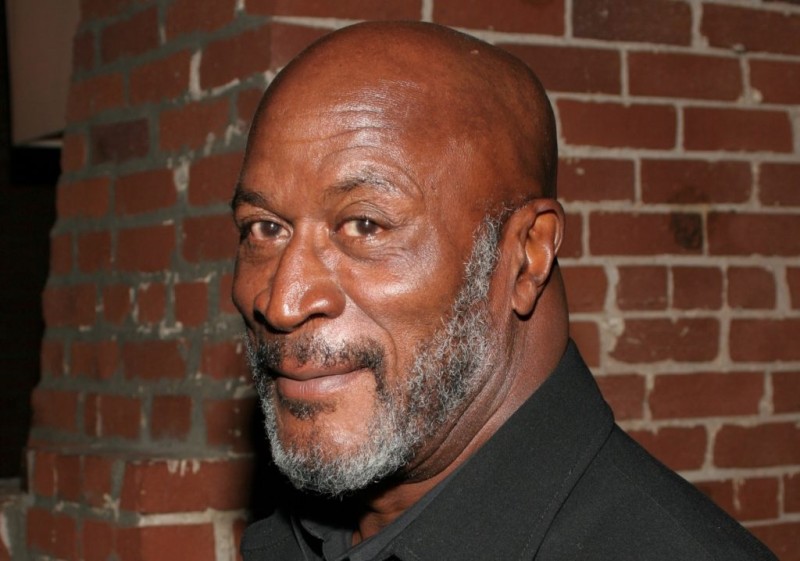
John Amos never sat down and wrote a guide to making it in life, but the way he lived tells you plenty.
He believed you show up and you adapt. When football fell apart, he didn't collapse, he pivoted and built a second career from nothing but stubbornness and talent. He wrote and performed his own one-man play "Halley's Comet" at venues around the world, released a country music album in 2009, took on Broadway productions, and worked as a producer. He understood that in a business as unpredictable as entertainment, you better have more than one thing going on.
He also stood firm on what he believed in, even when it was expensive to do so. Walking away from "Good Times" at the height of its popularity was a bold move that most people wouldn't have made. He valued representing his community with dignity over staying comfortable, and that meant sometimes taking the harder road.
The takeaway from his life is pretty straightforward: talent gets you in the room, but discipline, adaptability, and a willingness to stand by your values are what keep you there for fifty years.
 Sergey Diakov