Sergey Diakov
- Early Career: When the CEO of Twitter Earned His First Dollars
- The Twitter Breakthrough: How the CEO of Twitter Built His Empire
- Building Block: The CEO of Twitter's Second Act
- Current Wealth and Earnings: Where the CEO of Twitter Stands Today
- Success Principles: How the CEO of Twitter Thinks About Building Great Things
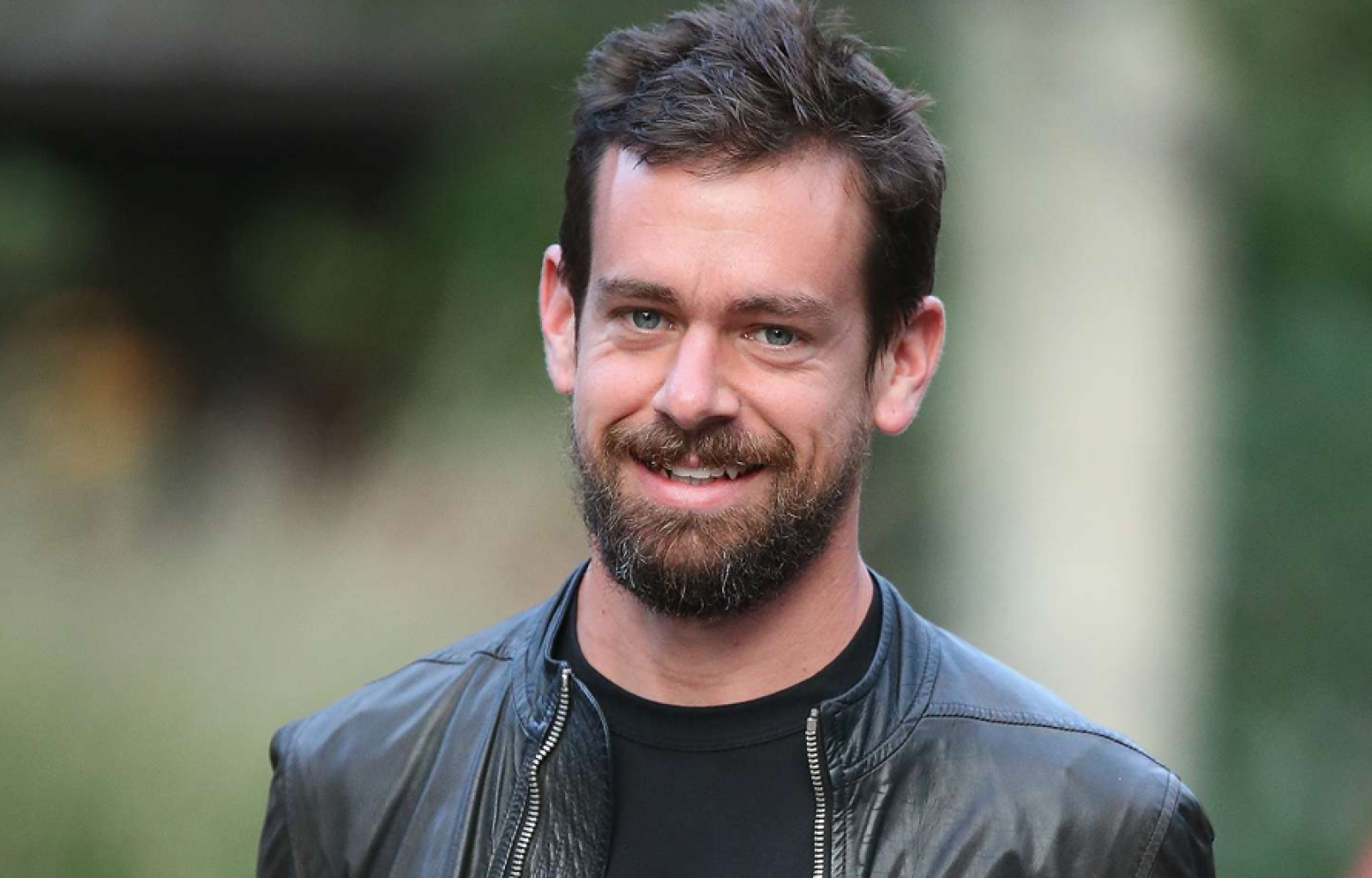
Most people know Jack Dorsey as the guy who helped create Twitter, but his path to becoming the CEO of Twitter is way more interesting than you'd think. This wasn't some kid who grew up dreaming of being a tech mogul. He was a teenage programmer obsessed with taxi dispatching systems, a college dropout who worked as a massage therapist and fashion model, and someone who got fired from his own company before making an incredible comeback. Today, he's worth $3.8 billion, but he still takes the bus to work. Let's dive into how this happened.
Early Career: When the CEO of Twitter Earned His First Dollars
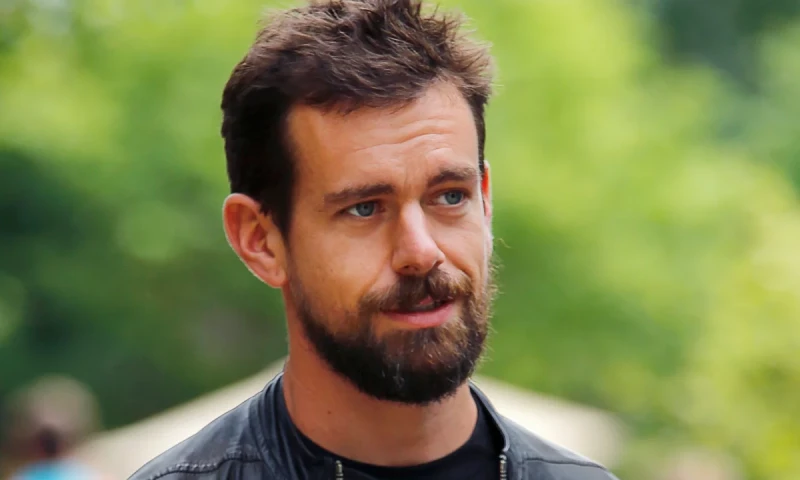
Here's the thing about Jack Dorsey—he wasn't born into money, and his first gig wasn't some fancy Silicon Valley internship. Growing up in St. Louis, Missouri, this kid had a weird obsession that would change his life. While his friends were probably playing video games, 14-year-old Dorsey was completely fascinated by dispatch routing. Yeah, I know, sounds nerdy. But think about it—coordinating taxi drivers, delivery trucks, and ambulances in real-time was like solving a massive puzzle, and he loved it.
By the time he turned 15, Dorsey had already written dispatch software that was actually good enough for real taxi companies to use. And here's the crazy part—some of them still use it today.
His first real paycheck came from a pretty ballsy move. When he was 17, Dorsey hacked into the website of New York City's biggest taxi dispatch company. But instead of causing chaos, he emailed the CEO and basically said, "Hey, your security sucks. Want me to fix it?" The gutsy approach worked. They hired him on the spot, and that job convinced him to pack his bags for New York City and enroll at NYU.
College life was interesting for Dorsey. He wasn't your typical student grinding away at textbooks. To pay the bills, he did a bit of everything—fashion modeling, massage therapy (he got certified), fashion design, and even worked as a barista at his mom's café. These weren't just random side hustles. Dorsey was genuinely exploring different worlds, trying to figure out what clicked for him.
The Twitter Breakthrough: How the CEO of Twitter Built His Empire
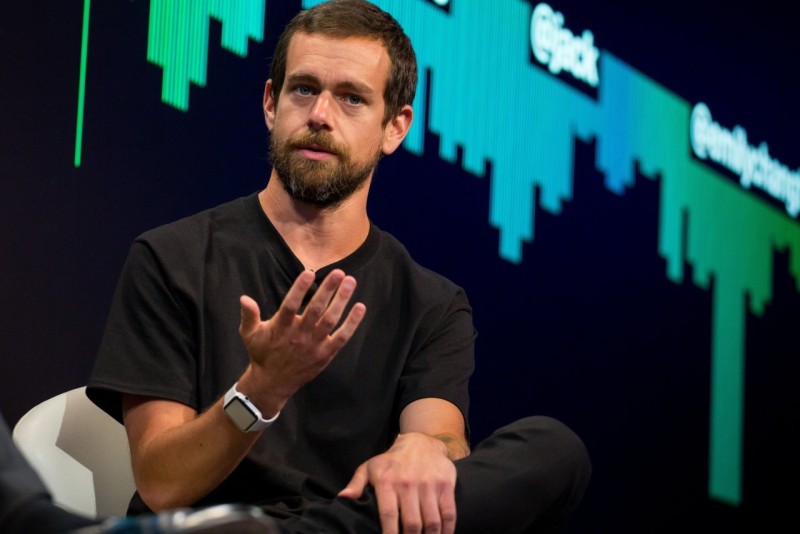
Fast forward to 2000. Dorsey dropped out of NYU and headed to Oakland, California with big ambitions but basically no money. He started his own company selling his dispatch software online. Spoiler alert: it flopped. Hard. For the next few years, he was basically struggling, taking whatever freelance programming work he could find, living on a shoestring budget, and camping out in coffee shops with his laptop.
But 2006 changed everything. Dorsey landed a gig at Odeo, a podcasting startup run by Evan Williams. One day, the team had this marathon brainstorming session, and Dorsey pitched an idea he'd been thinking about since his NYU days. The concept was simple but genius: what if people could send quick status updates to all their friends at once, like mass text messages? Think "I'm at the park" or "stuck in traffic" but broadcast to your whole network.
The team got it immediately. Within just two weeks, Dorsey had built a working version. On March 21, 2006, he sent out the very first tweet: "just setting up my twttr." Yep, twttr—no vowels, because that was the style back then. The platform officially went live in July 2006.
Twitter absolutely exploded. Dorsey became the CEO of Twitter when the company officially formed in 2007, and he steered it through some crucial early funding rounds. But here's where things get messy. In 2008, just as Twitter was gaining serious momentum, Dorsey got pushed out as CEO. Word on the street was that he was leaving work early too often to do yoga and work on fashion projects. Ouch.
But this is where Dorsey's story gets really good. He didn't sulk or disappear. He stuck around as chairman and kept working behind the scenes. In 2015, when Twitter needed strong leadership again, guess who came back? Dorsey reclaimed the CEO spot and ran the company until November 2021, when he decided to step down on his own terms.
Building Block: The CEO of Twitter's Second Act
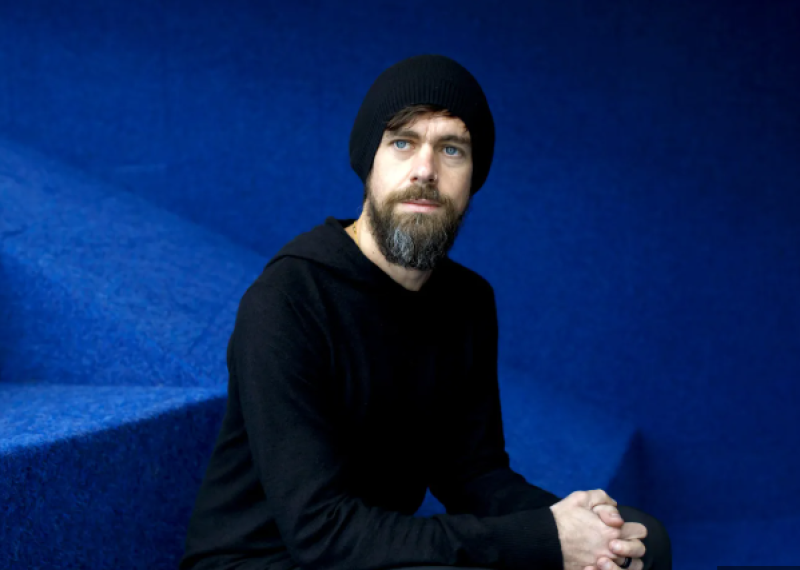
When Dorsey got kicked out of Twitter in 2008, he could've played it safe and licked his wounds. Instead, he went all-in on a completely new idea. In 2009, he teamed up with a guy named Jim McKelvey to launch Square, which later became Block Inc. The problem they wanted to solve was super practical: how do you let anyone accept credit card payments without needing those bulky, expensive card readers?
Their solution was brilliant in its simplicity. They created this tiny square device that plugs right into your smartphone's headphone jack, turning any phone into a card reader. Small business owners and individual sellers could suddenly compete with big retailers. It was a total game-changer.
Square started small—like really small. In December 2009, they had just 10 employees. But by June 2011, they'd blown up to over 100 people. And here's where Dorsey did something almost nobody pulls off: when Square went public in 2015 (the same year he became CEO of Twitter again), he was suddenly running two major tech companies at the same time. For six whole years, he juggled both gigs—something that's pretty much unheard of even in the crazy world of Silicon Valley.
Here's a fun fact that surprises most people: Dorsey's wealth doesn't actually come from Twitter. Most of his billions came from Block. When Elon Musk bought Twitter in October 2022 for $44 billion, Dorsey owned about 18 million shares, roughly 2% of the company. At the buyout price of $54.20 per share, his stake got cashed out for around $978 million. Not bad, but his Block holdings are worth way more.
Current Wealth and Earnings: Where the CEO of Twitter Stands Today
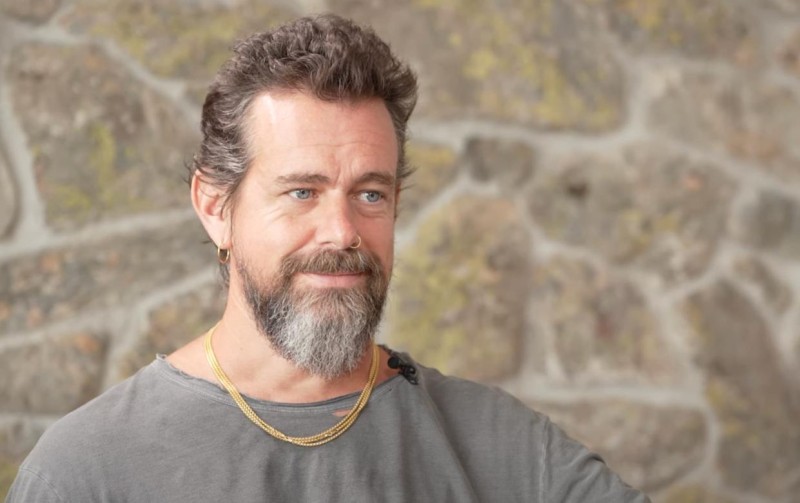
So how much is Jack Dorsey actually worth right now? According to Forbes, his net worth sits at around $3.8 billion as of 2025, though some sources put it closer to $4-5 billion. Either way, the guy's loaded, but here's what's interesting—most of that money comes from Block, not Twitter.
Dorsey owns roughly 43 million shares of Block Inc., which are worth about $2.5 billion. Add in another billion or so in cash and other assets, and you've got a pretty solid fortune. As CEO of Block, he pulls in an estimated $58 million annually from various sources—salary, smart investments, intellectual property rights, speaking gigs, and board positions at different companies.
But here's what sets Dorsey apart from a lot of tech billionaires: he doesn't really act like one. The dude still takes public transportation to work. He's donated over $1 billion to charity—yeah, billion with a B. That money went toward COVID-19 relief, girls' education and health programs, and universal basic income projects. In April 2020, he committed about a third of his total wealth (roughly $1 billion in Square stock) to his charity fund called Start Small.
Another interesting quirk about Dorsey: he's massively into Bitcoin. He won't say exactly how much he personally owns, but Block Inc. has over 8,000 Bitcoins sitting on its balance sheet. Dorsey genuinely believes Bitcoin could become the internet's single global currency. He even teamed up with Jay-Z to launch a Bitcoin fund focused on promoting adoption in Africa and India.
Success Principles: How the CEO of Twitter Thinks About Building Great Things
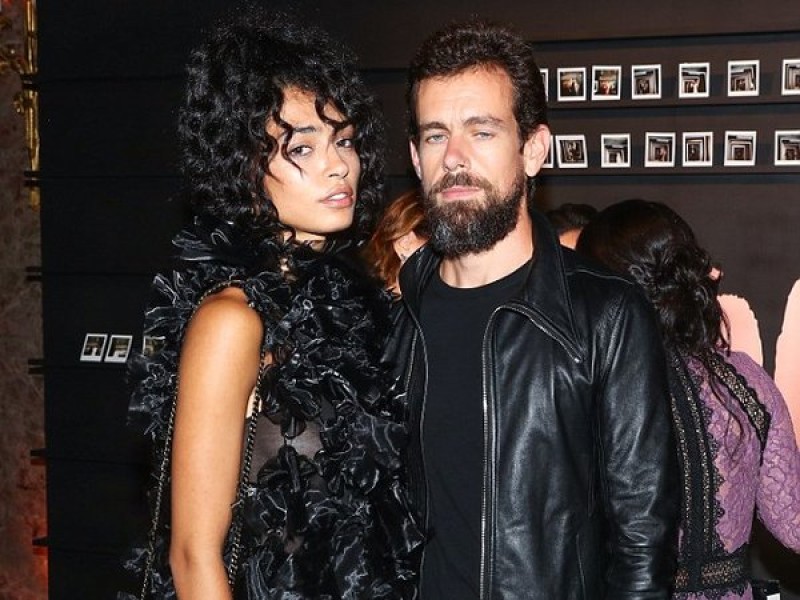
Alright, so how did Dorsey actually pull all this off? What's his secret sauce? Turns out, his approach to success is pretty different from your typical business advice. Here are the principles that helped the CEO of Twitter build not one but two billion-dollar companies:
- Chase Passion, Not Paychecks. Dorsey's got this strong belief that you shouldn't wake up thinking "I wanna start a business." Instead, you should think "I'm crazy passionate about this thing and I'll do whatever it takes to make it happen." He was obsessed with real-time communication way before he even thought about founding a company. The business came second; the passion came first.
- Keep It Stupid Simple. Both Twitter and Square are built on radical simplicity. Twitter's original 140-character limit forced people to get to the point. Square's card reader is so simple your grandma could use it. Dorsey's whole philosophy boils down to three words: simplicity, constraint, and craftsmanship. As he puts it, making something simple is actually super complex, but once you nail it for one person, you can scale it to everyone on earth.
- Structure Gives You Freedom. You'd think the startup life is all chaos and pizza boxes, right? Not for Dorsey. This guy plans his entire week down to the hour. Mondays are for management, Tuesdays for product stuff, and so on. He takes long walks to work, meditates like crazy (including those intense 10-day silent retreats), and eats the same breakfast every day. Sounds rigid, but he swears this structure actually makes him more creative and productive.
- Write Everything Down. Dorsey's been keeping journals since high school. He calls it "probably the best thing I've ever done in my life." Tracking your progress helps you see how you've grown, how your business evolved, and how your leadership developed. It's like having a conversation with your past self.
- Communication is Everything. At Square, notes from every single meeting get sent to everyone in the company. At Twitter, engineering meeting notes go company-wide. Why? Because Dorsey believes when teams don't talk to each other, that tension shows up in your product, and customers feel it. Good internal communication creates better products. Simple as that.
- Leaders Empower, They Don't Command. Here's a quote that pretty much sums up Dorsey's leadership style: "If I have to make a decision, we have an organizational failure." Real leaders don't just bark orders from the top—they build teams strong enough to make big decisions themselves. It's about empowering people, not hoarding power.
- Stay Open to Weird Paths Get this: Dorsey never actually wanted to be an entrepreneur. He wanted to be Bruce Lee. No joke. Before settling on tech, he worked as a fashion model, massage therapist, and fashion designer. He picked programming not because he loved it for its own sake, but because "those were the tools I needed to build what I wanted to build." Oh, and he still hopes to be mayor of New York City someday.
- Own Your Weaknesses. When Dorsey launched Square, he knew investors were skeptical. So what'd he do? He showed up with a list of 140 reasons why Square would fail—and then gave them his rebuttal for each one. That's bold. It proved he understood the industry, knew exactly where things could go wrong, and had solutions ready. The investors were impressed, and Square became the leader in mobile payments.
- Test Your Stuff Relentlessly. The Square offices literally have a coffee shop inside where they test their hardware and software. Plus, employees work actual shifts at local coffee shops to see how everything performs in real conditions. This obsession with real-world testing means customers walk away happy, and happy customers equal success.
- Your Body Affects Your Brain. Dorsey's big on physical health. He practices intermittent fasting (one meal a day), meditates regularly, exercises consistently, and keeps strict sleep schedules. Now, you don't need to copy his exact routine—eating once a day isn't for everyone. But the principle is solid: taking care of your body directly impacts how well your brain works.
The bottom line? Jack Dorsey's journey from a curious kid writing taxi software to becoming the CEO of Twitter and founder of Block shows that success isn't a straight line. It's about following what genuinely interests you, staying disciplined in your daily life, keeping things simple when everyone else is making them complicated, and never being scared to take the weird path. His story proves that the best entrepreneurs aren't just chasing money—they're building stuff they truly believe will make the world better, even if it takes a few detours to get there.
 Sergey Diakov