Alex Dudov
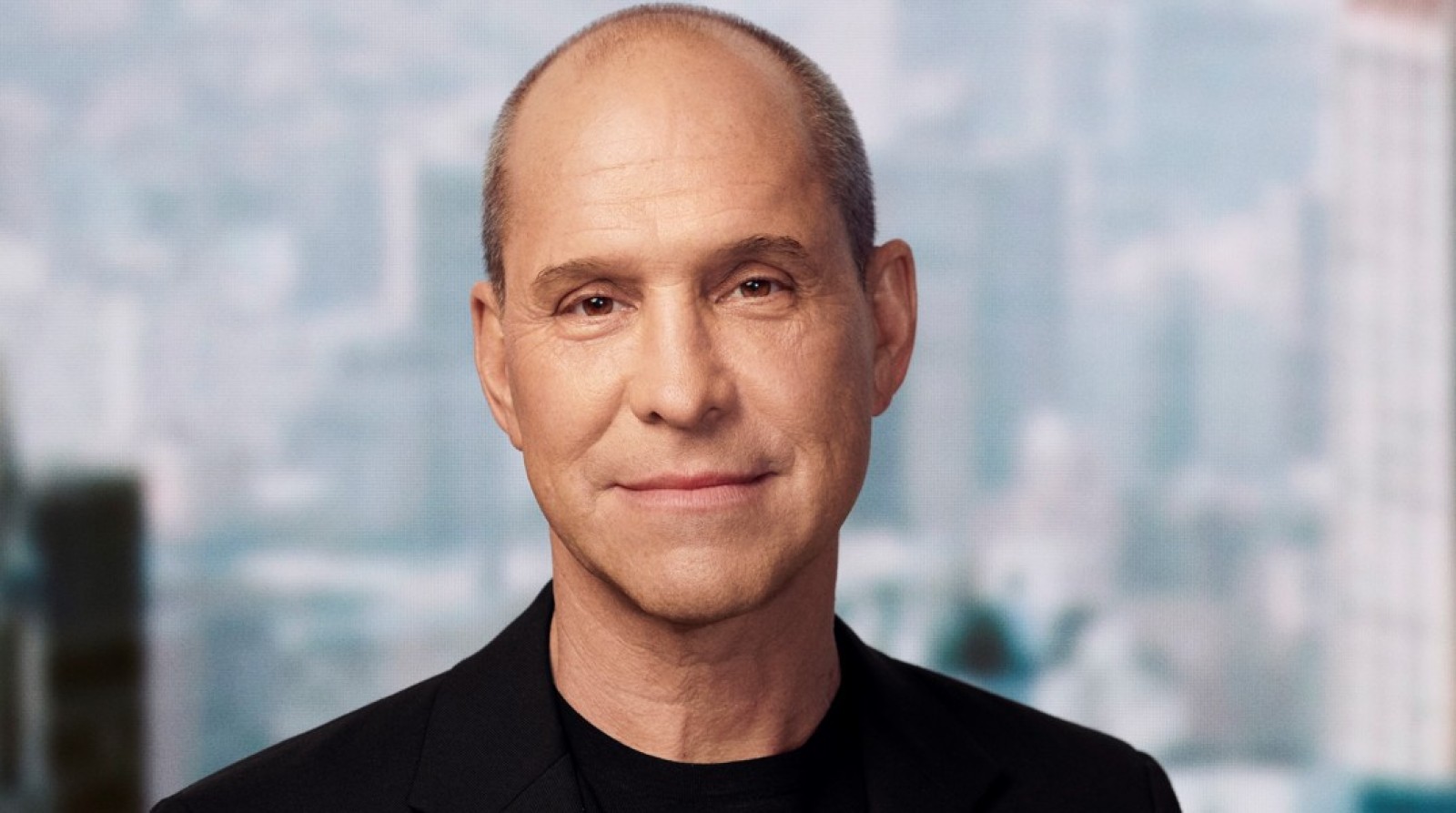
Brian Robbins didn't start at the top. Like many people in entertainment, he began with small acting gigs and modest paychecks. But what sets him apart is how he turned those early opportunities into a career that would eventually land him in the CEO chair at Paramount Pictures. His story shows how understanding your audience, taking smart risks, and adapting to change can transform a struggling actor into a media mogul.
Early Days: When Robbins Started Making Real Money
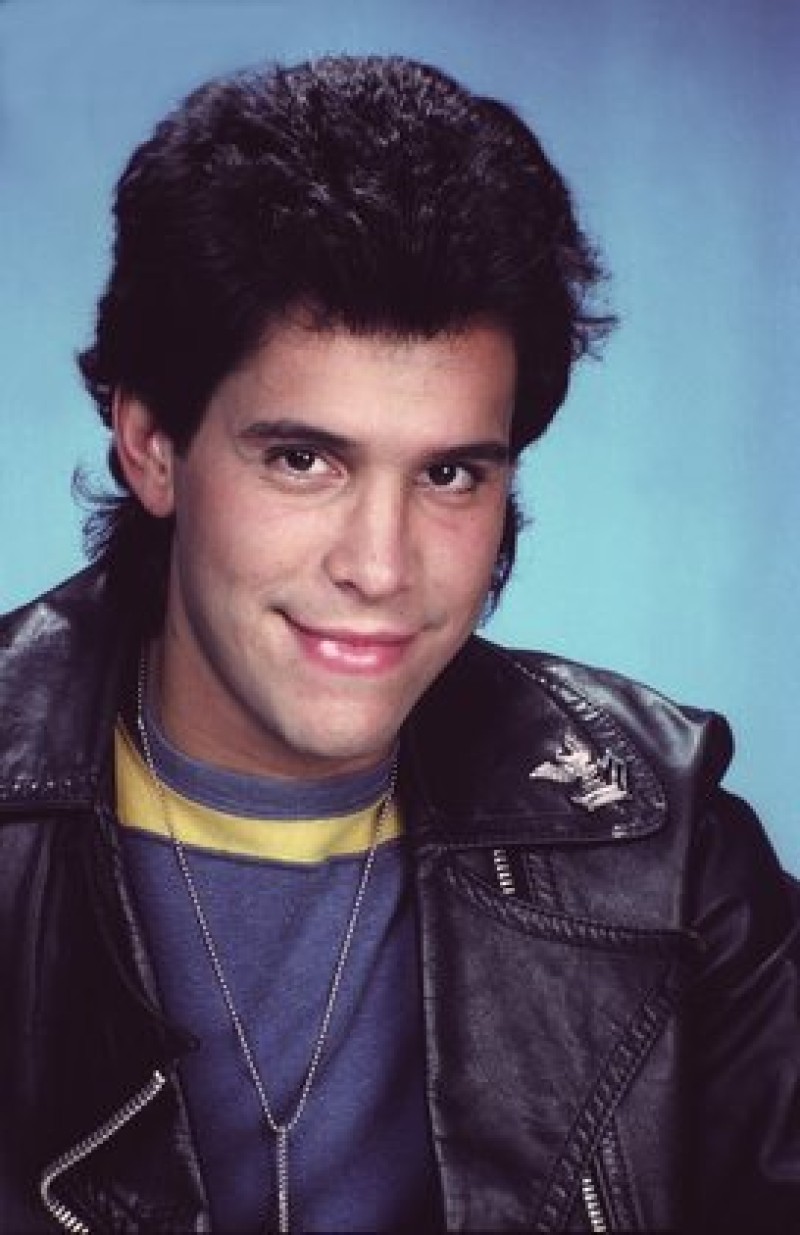
Robbins was born in Brooklyn in 1963 and got his first taste of showbiz as a teenager in the 1980s. His breakthrough came when he landed a role on "Head of the Class," an ABC sitcom where he played Eric Mardian from 1986 to 1990. Back then, he was pulling in around $10,000 to $15,000 per episode, which meant he was making somewhere between $200,000 and $300,000 a year. Not bad for a young guy just starting out.
But Robbins realized pretty quickly that acting wasn't his calling. He wanted to be the one making decisions, not just following someone else's script. So when "Head of the Class" wrapped up, he made a gutsy move and shifted to the other side of the camera. He teamed up with Mike Tollin to launch Tollin/Robbins Productions in the early 1990s. That's when things really started to take off. They began creating shows for Nickelodeon, including hits like "All That" and "Kenan & Kel," which became huge with kids and teens.
Building His Empire: How Robbins Became the CEO of Paramount
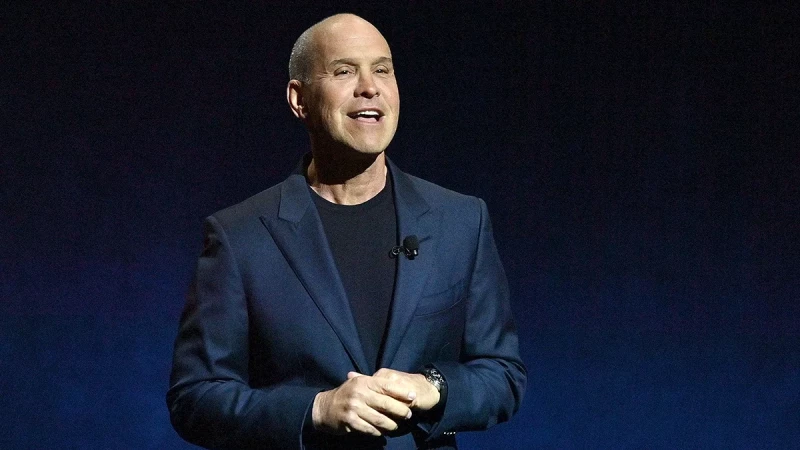
The 1990s and 2000s were when Robbins really hit his stride. With Tollin/Robbins Productions, he wasn't just collecting a paycheck anymore—he owned part of the company, which meant he was building real wealth. The production house became known for teen programming, and they created "Smallville," which ran for ten seasons and became a massive hit. At this point, Robbins was making between $2 and $5 million a year through production fees and his ownership stake.
In 2009, he saw where media was heading and founded AwesomenessTV, a digital network aimed at Gen Z viewers. DreamWorks Animation bought it for $33 million in 2013, and Robbins stayed on as CEO. That sale probably put around $15 to $20 million in his pocket, depending on how much of the company he owned. When Viacom acquired DreamWorks Animation in 2016, Robbins came along with the deal and continued running AwesomenessTV.
Taking the Top Job: The CEO of Paramount Reaches His Peak
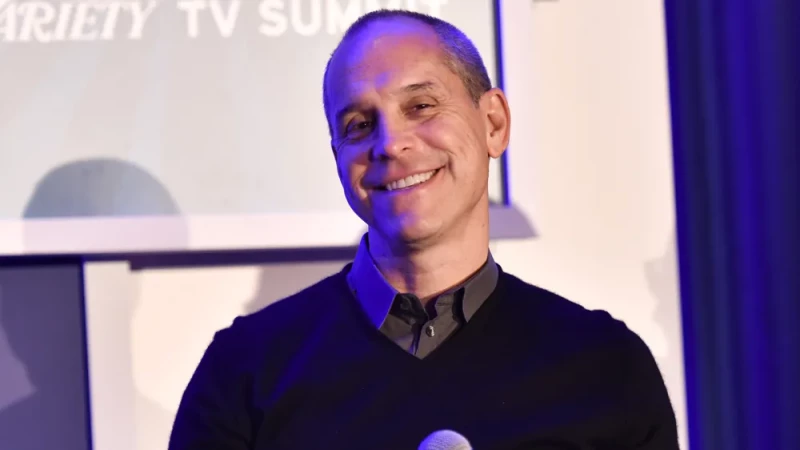
Robbins kept climbing, and in 2018 he became President of Nickelodeon. Three years later, in September 2021, he got the call he'd been working toward his entire career—he was named President and CEO of Paramount Pictures. Suddenly, he was overseeing a studio pulling in more than $7 billion in revenue annually.
While Paramount doesn't publicly share exactly what Robbins makes, people in similar positions at major studios typically earn between $10 and $20 million a year when you factor in salary, bonuses, and stock options. Under his leadership, Paramount has focused on big franchise films and theatrical releases while also creating content for Paramount+, the company's streaming platform.
Where He Stands Today: Current Earnings and Net Worth
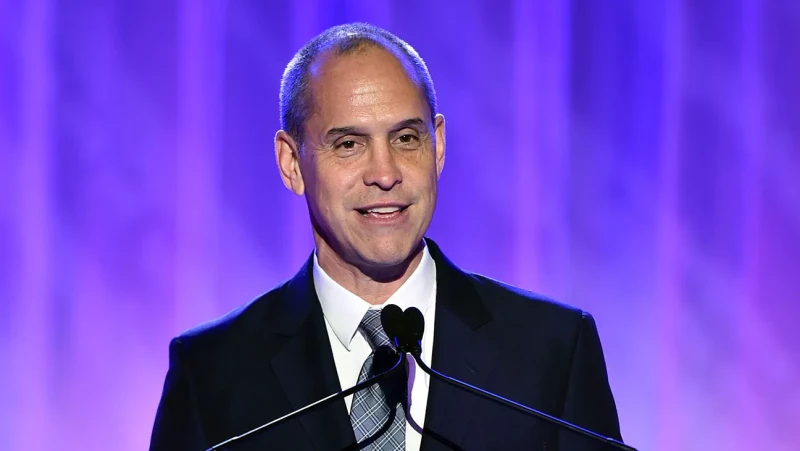
Right now, Robbins is sitting on an estimated net worth of about $60 million. That money comes from all over—the sale of his production companies, his current executive pay at Paramount, residuals from the dozens of shows and movies he's produced over the years, and equity stakes in various projects.
As CEO of Paramount, Robbins probably makes somewhere between $15 and $20 million annually. That includes his base salary, which is likely around $3 to $5 million, plus performance bonuses and stock compensation from Paramount Global. He also gets the perks that come with running a major studio, including production deals that can bring in extra cash when films do well at the box office.
What Robbins Learned: Key Ideas for Success

Over the years, Robbins has talked about what it takes to make it in Hollywood, and his advice is pretty straightforward. First, you've got to really understand your audience. His early success with teen shows came from actually listening to what young people wanted, not what older executives thought they should want. That focus on the audience has guided every major decision he's made.
Second, don't be afraid of new platforms and technology. When Robbins launched AwesomenessTV in 2009, plenty of traditional media folks thought digital content was a joke. He saw it differently and got in early, proving that quality content could work anywhere. That willingness to embrace change has been a huge part of his success.
Third, relationships matter more than almost anything else in this industry. Robbins kept his partnership with Mike Tollin going for years and stayed in touch with talent he worked with early on. Many of the actors, writers, and producers who started with him in the 1990s are still working with him today, and that network of trust has opened countless doors.
Finally, you've got to be willing to evolve. Robbins started as an actor, became a producer, jumped into digital media, and now runs a major studio during the streaming era. He's never gotten stuck doing things the old way just because that's how they've always been done. For anyone trying to build a career in entertainment, his path shows that combining creative instincts with business smarts—and staying flexible when the industry changes—can take you all the way to the top.
 Alex Dudov