Peter Smith
- The Humble Beginning: When the CEO of NVIDIA Made His First Buck
- Getting His Foot in the Door: The Early Tech Years
- Building the Dream: How the CEO of NVIDIA Created a Gaming and AI Giant
- The AI Explosion: When Everything Changed for NVIDIA's Leader
- What the CEO of NVIDIA Learned About Winning: His Success Formula
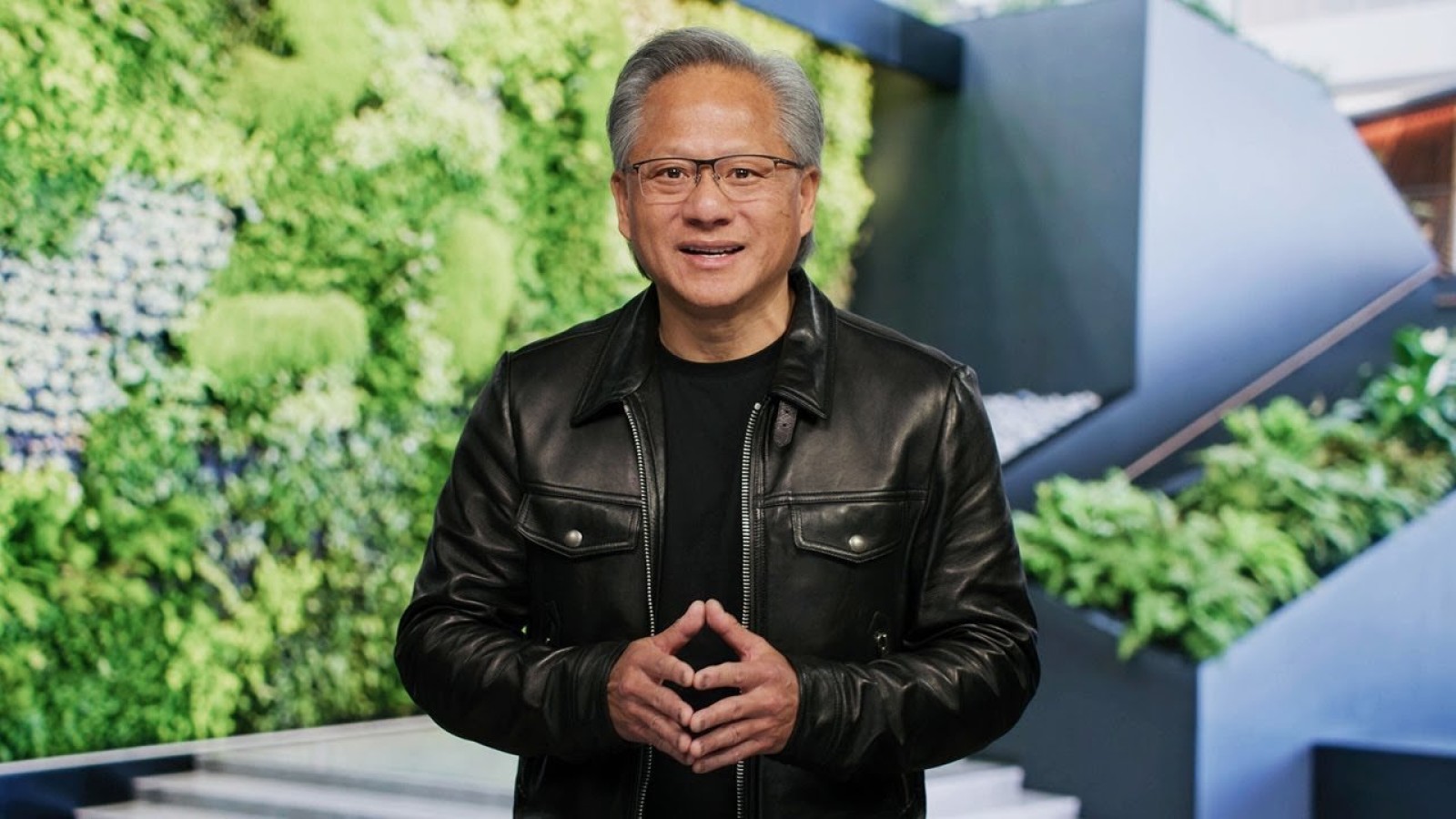
You know those success stories that sound too good to be true? Well, Jensen Huang's journey is one of them, except it's completely real. The guy who now runs one of the most powerful tech companies in the world started out washing dishes at Denny's. Yeah, you read that right. Today, he's worth over $100 billion and basically powers the AI revolution. Let's dive into how he pulled it off.
The Humble Beginning: When the CEO of NVIDIA Made His First Buck
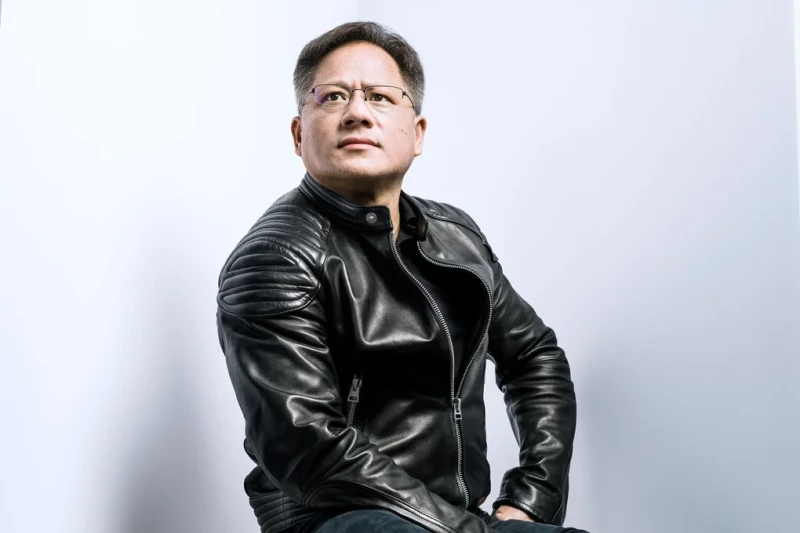
Jensen Huang wasn't born with a silver spoon in his mouth. He came to the U.S. from Taiwan as a kid, and his family wasn't exactly rolling in cash. His first real job? Scrubbing plates and cleaning tables at a Denny's in Oregon. He's talked about this time in his life pretty openly, saying that working at that restaurant taught him more than most people realize. It wasn't about the money, which was basically minimum wage at the time. It was about showing up, doing the work, and not being too proud to start at the bottom. That mindset stuck with him. While his friends might have been embarrassed to work at a diner, Huang saw it as a stepping stone. He was learning discipline, work ethic, and how to deal with people, skills that would come in handy when he was managing thousands of employees decades later.
Getting His Foot in the Door: The Early Tech Years
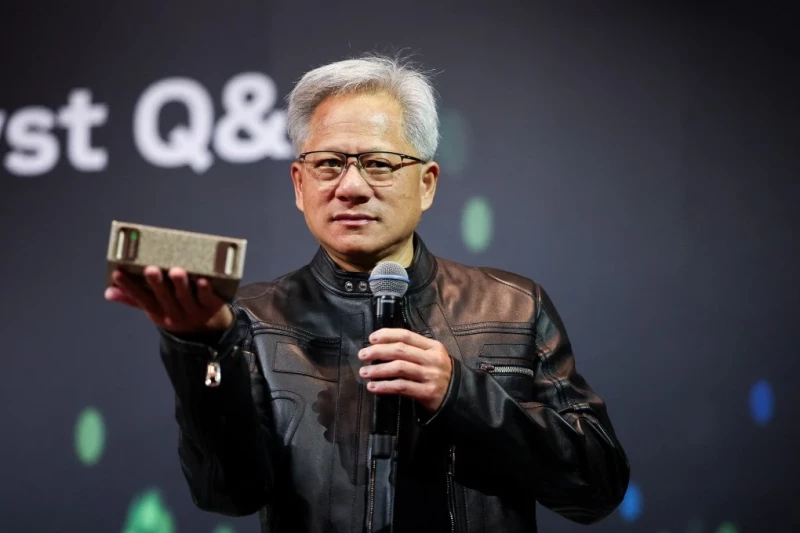
After grinding through school and getting his engineering degree from Oregon State in 1984, Huang landed his first real tech job at AMD. This was back when personal computers were just starting to become a thing, and the semiconductor industry was heating up. He was making somewhere around thirty to forty grand a year, which wasn't bad for a fresh graduate in the mid-80s, but it wasn't going to make him rich either. Still, he wasn't there for the paycheck. He was soaking up everything he could about chip design. A few years later, he jumped to LSI Logic, another chip company, where he got deeper into the technical side of things. By then, he was pulling in maybe fifty to seventy thousand annually, living comfortably but not extravagantly. These weren't glamorous years, but they were crucial. Huang was learning the game from the inside, figuring out where the industry was headed, and more importantly, where it wasn't. He started seeing opportunities that others were missing, particularly in graphics processing. That insight would change everything.
Building the Dream: How the CEO of NVIDIA Created a Gaming and AI Giant
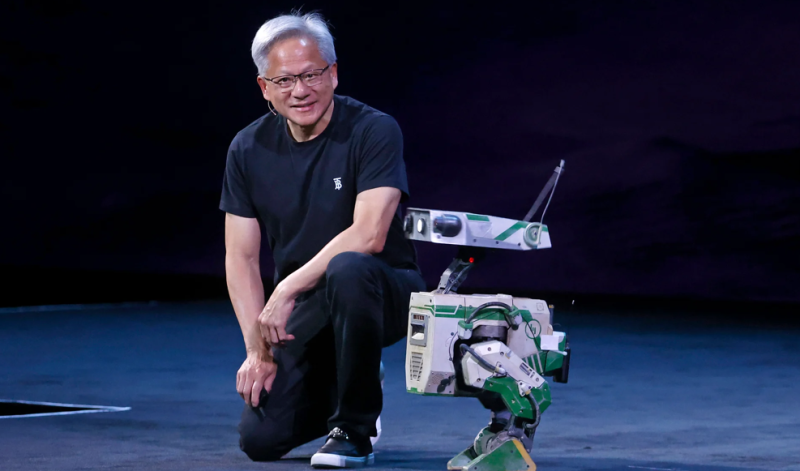
In 1993, Huang did what a lot of people dream about but few actually pull off. He quit his stable job and co-founded NVIDIA with two partners. They scraped together forty thousand dollars to get started, which sounds like nothing when you think about what the company is worth now. Those first few years were tough. Really tough. Huang wasn't paying himself much because every dollar needed to go into building their first products. The big break came in 1999 when they launched the GeForce 256, which they called the world's first GPU. It was a game changer for, well, gaming. Suddenly, computer graphics looked incredible, and gamers went crazy for it. NVIDIA went public that same year, and that's when Huang's bank account started looking different. His compensation jumped into the millions, mostly through stock options. Throughout the 2000s and 2010s, as NVIDIA dominated the gaming graphics market and expanded into professional applications, Huang was making anywhere from five to twenty-five million a year, with most of that coming from company stock. But he wasn't just coasting on gaming success. He saw something bigger coming.
The AI Explosion: When Everything Changed for NVIDIA's Leader
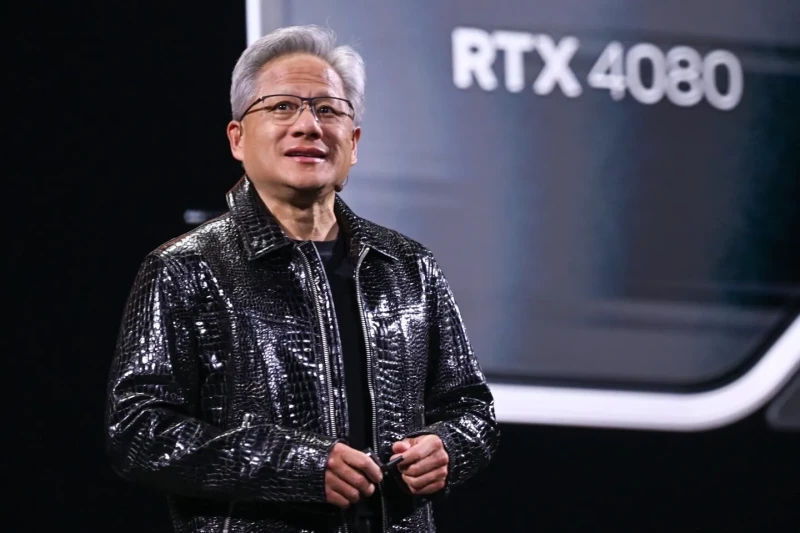
Here's where Huang's story goes from impressive to absolutely insane. While everyone else saw NVIDIA as a gaming company, the CEO of NVIDIA realized their GPUs were perfect for something way bigger: artificial intelligence. The parallel processing power that made graphics look amazing turned out to be exactly what AI researchers needed for machine learning. He bet the company's future on this vision, and holy hell, did it pay off. When ChatGPT and other AI tools exploded in popularity, guess whose chips were powering them? NVIDIA's. The company's value shot through the roof, hitting over three trillion dollars in 2024. Huang's personal wealth climbed to around 118 billion dollars, making him one of the richest people on the planet. His actual salary is only a million bucks a year, which is kind of funny when you think about it, but his total compensation package hits thirty to fifty million when you include stock awards. The real money, though, comes from his roughly 3.5 percent ownership stake in NVIDIA. That piece of the company is worth tens of billions, and it fluctuates with the stock price, sometimes swinging by billions in a single day.
What the CEO of NVIDIA Learned About Winning: His Success Formula

So what's the secret sauce? Huang's been pretty generous about sharing what he's learned, and it's not your typical motivational poster stuff. First off, he talks a lot about what he calls strategic suffering. Basically, he thinks you need to be willing to do hard things that other people won't touch. Success isn't about avoiding pain, it's about running toward the difficult stuff. He actually tells new NVIDIA employees that the company isn't for everyone, and that they maintain intense pressure on purpose because comfort doesn't create breakthroughs. Pretty hardcore, right? But it seems to work.
He's also big on questioning everything and building from scratch rather than just accepting how things have always been done. That's how NVIDIA ended up betting on AI before it was cool. Third, he's obsessed with being honest about problems. At NVIDIA, bad news has to travel fast. If something's broken, you admit it immediately and fix it, no ego involved. He's created a culture where people aren't afraid to say when something isn't working. Fourth, he believes people need to understand the bigger mission. It's not just about building chips, it's about accelerating computing to solve real problems. When people see the impact of their work, they push harder. And finally, the CEO of NVIDIA never stops learning. The tech world changes so fast that what you knew last year might be useless today. He reads constantly, talks to researchers, and stays curious even though he's been in the game for decades. Sure, his leather jacket has become iconic, but what really defines him is this relentless drive to execute, innovate, and create products that don't just meet the market but completely reshape it. That's how you go from washing dishes to running a company that's literally powering the future.
 Peter Smith