Usman Salis
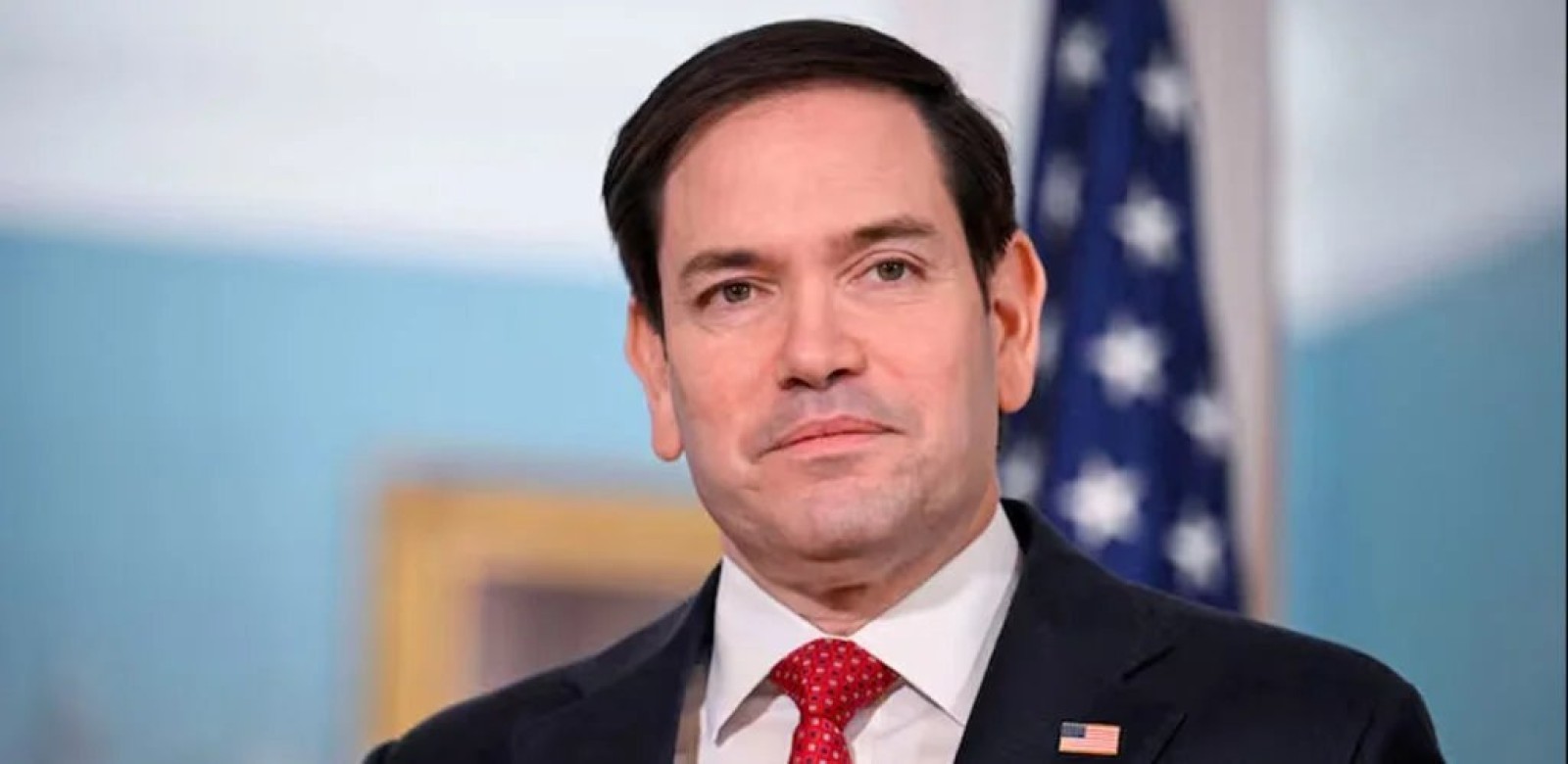
- How Marco Rubio's Early Career Shaped His Financial Foundation
- Marco Rubio Net Worth: The Rocky Road Through Politics
- Career Trajectory: When Did Marco Rubio Net Worth Start Growing?
- Marco Rubio Net Worth Today: What the Secretary of State Actually Earns
- Marco Rubio's Philosophy on Achieving Success
- Marco Rubio's Financial Journey
Here's something you don't see every day in Washington—a top government official who actually knows what it's like to be broke. Really broke. Marco Rubio wasn't born into money, didn't marry into it, and spent most of his political career struggling to keep his head above water financially. While his colleagues were managing stock portfolios and trust funds, Rubio was dodging creditors and making mortgage payments he could barely afford.
His story isn't your typical rags-to-riches tale. There's no tech startup, no real estate empire, no inheritance from a wealthy relative. Just a guy who went to law school, racked up debt like everyone else, made some questionable financial decisions, and slowly—very slowly—clawed his way back to stability. The marco rubio net worth today might not impress anyone on Wall Street, but it represents something more valuable: proof that you can recover from serious financial mistakes and still make it to the top.
Marco Rubio stands out among Washington's elite—not for his wealth, but for his relatability. While many politicians arrived in D.C. with trust funds and family connections, Rubio represents something different. His financial journey mirrors the struggles of millions of Americans: student debt, credit card balances, and the constant juggling act of raising a family while building a career. Today, his estimated fortune sits around $1 million to $2.5 million, but the path to get there tells a much more interesting story than the numbers alone.
How Marco Rubio's Early Career Shaped His Financial Foundation
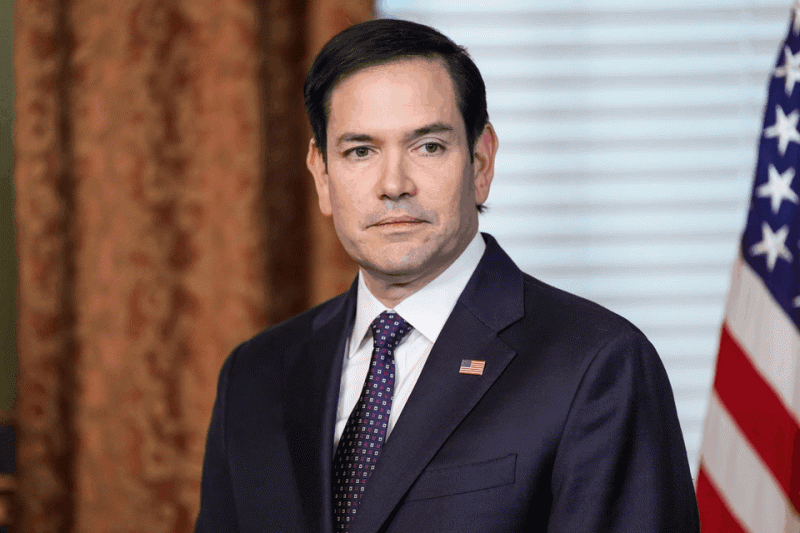
The first real paycheck Rubio ever cashed came long before anyone knew his name. Growing up in Miami, he watched his dad serve drinks at hotel banquets while his mom scrubbed floors and made beds. His parents saw these jobs as their ticket to the American Dream. Young Marco saw them differently—as motivation to build something better.
Fresh out of the University of Miami School of Law in 1996, Rubio's first break came from an internship with U.S. Representative Ileana Ros-Lehtinen while he was still studying. That connection opened doors. Two years after graduation, at just 26, he snagged a city commissioner seat in West Miami. The position barely paid anything—we're talking pocket change for someone with student loans. But it got his foot in the door.
Here's where things get interesting. Between 1998 and 2008, Rubio pulled in around $2.38 million combined from his law practice and his Florida House salary. Sounds impressive, right? Except he managed to save almost none of it. Money came in, money went out. That's the reality nobody talks about when they see politicians on TV.
Marco Rubio Net Worth: The Rocky Road Through Politics
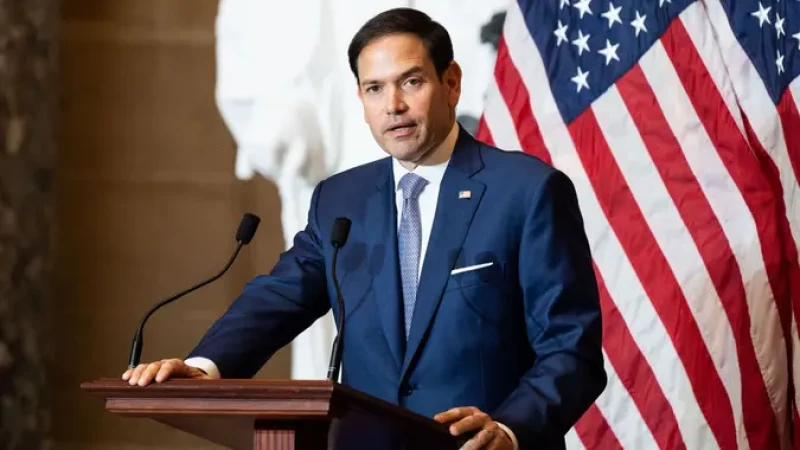
When Rubio first got elected to the Florida House in 2000, his financial disclosure showed something pretty shocking—a net worth of exactly zero. Not "modest savings." Not "building wealth." Zero. This was a lawyer who'd just spent four years in law school, and he was starting from absolute scratch.
His state representative gig paid about $28,000 a year, which in Miami doesn't exactly go far. He kept his law practice going part-time to make ends meet, but the juggling act was brutal. By 2001, he was making around $90,000 between both jobs, and you'd think that would be comfortable, right? Wrong. Things got so tight that he and his wife Jeanette had to move in with her mom. Not as a temporary crash pad—they ended up buying the house from her in 2003 for $175,000.
Two years later, they upgraded to a bigger place in West Miami for $550,000. That mortgage became an albatross around his neck for years. By 2009, Rubio's financial disclosure revealed a net worth of negative $37,000. Student loans, credit cards, multiple mortgages—the whole mess had caught up with him.
Then came the speedboat scandal. During his 2015 presidential run, reports came out that he'd dropped $80,000 on a luxury speedboat while drowning in debt. The media crucified him. His explanation? It was a family purchase during one of the rare moments when he thought he had some breathing room. Didn't matter—the damage was done.
Career Trajectory: When Did Marco Rubio Net Worth Start Growing?
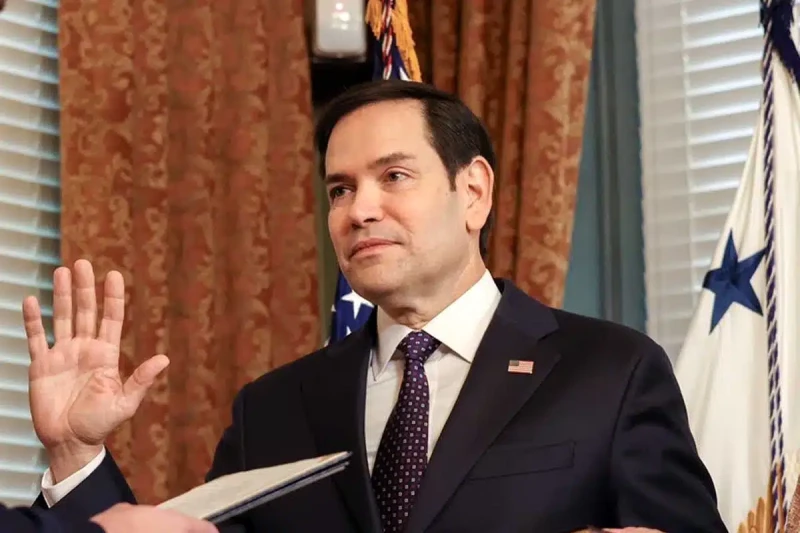
By 2018, things had gotten worse. Way worse. Rubio's net worth had crashed to negative $1.26 million. For a sitting U.S. Senator, this was beyond embarrassing—it was practically unheard of. Most of his colleagues were millionaires several times over. Rubio was technically broke.
But this is where the comeback starts. And it came from the most unexpected place—writing books.
In 2012, a publisher called Sentinel took a gamble and handed Rubio an $800,000 advance for his memoir "An American Son." That one check probably felt like winning the lottery. Over the next few years, the book kept selling, and he ended up pulling in about $1.2 million total in royalties. His second book, "American Dreams: Restoring Economic Opportunity for Everyone," added another $150,000 advance to the pile. Suddenly, the guy who couldn't make his mortgage payment had some actual money in the bank.
His Senate salary helped too. Starting in 2011, he was making $174,000 a year, which eventually bumped up to $176,000 in his last term. Not Fortune 500 CEO money, but solid. He picked up extra cash teaching at Florida International University—somewhere between $18,000 and $20,000 a year. Nothing flashy, but it all added up.
The smartest thing Rubio did during this period? He actually paid down his debts. Revolutionary concept, right? But seriously, a lot of people would've taken that book money and bought another boat. He used it to dig himself out of the hole.
Fast forward to 2024, and the picture looked completely different. His financial disclosures showed assets between $35,000 and $205,000 in non-real estate stuff—retirement accounts, some stocks, basic savings. More importantly, his West Miami house that he'd bought for just under $1 million in 2021 was now worth around $1.75 million according to Forbes. His federal pension had grown into six figures. After years of struggle, he'd finally built something resembling actual wealth.
Marco Rubio Net Worth Today: What the Secretary of State Actually Earns
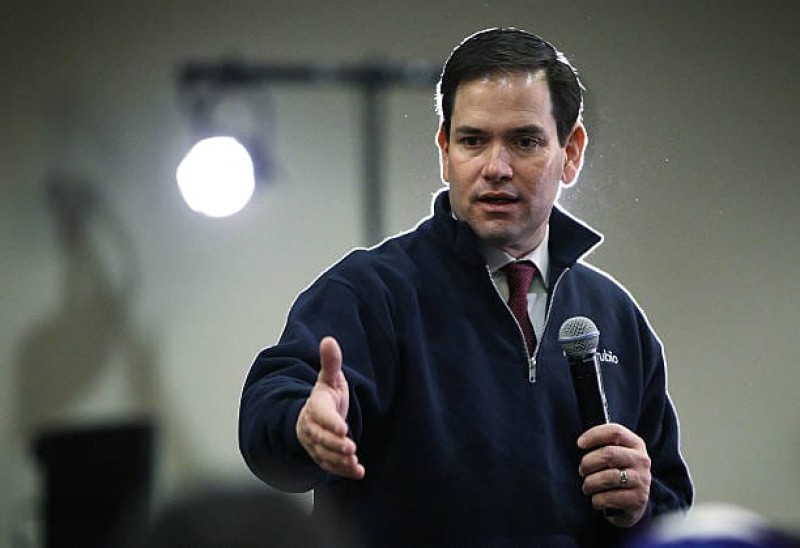
When Trump tapped Rubio as Secretary of State in January 2025, it came with the biggest government paycheck he'd ever seen—$250,600 a year. That's about $75,000 more than what he was making as a Senator. For someone who spent years watching every dollar, this had to feel pretty damn good.
So what's the marco rubio net worth actually sitting at right now? Most estimates put it somewhere between $1 million and $2.5 million. Some sources go lower—maybe $400,000 after you subtract his remaining mortgage of $500,000 to $1 million. Either way, he's not rich by Washington standards. But he's not underwater anymore either, which is a huge win.
The thing that makes Rubio different from most politicians at his level? His money comes from exactly three places: his salary, his book royalties, and his house going up in value. That's it. No stock portfolios worth millions. No business deals on the side. No investments generating passive income. Just straightforward, working-person money.
Compare that to someone like Treasury Secretary Scott Bessent, who's worth over $500 million. In those circles, Rubio's basically living paycheck to paycheck. But for the average American looking at a Senator-turned-Secretary of State with a million-dollar net worth? That's success.
Marco Rubio's Philosophy on Achieving Success
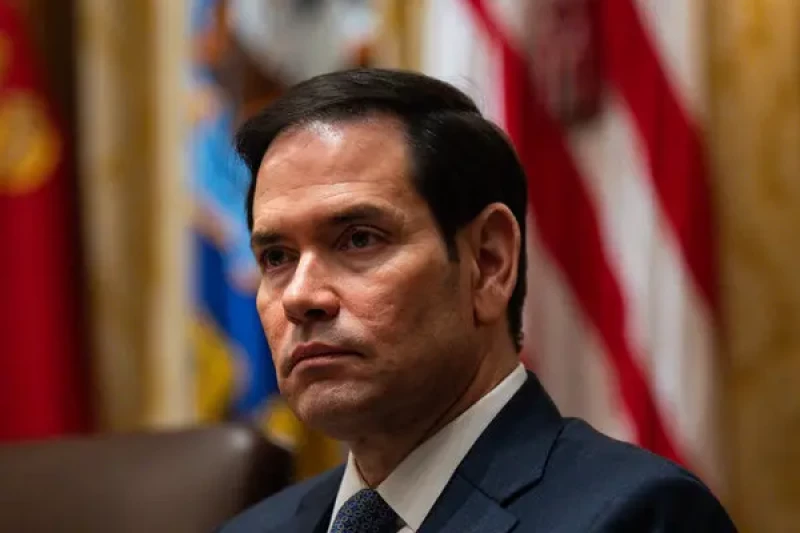
What makes Rubio's story hit different isn't the money itself—it's what he says about it. Throughout his career, he's been pretty clear about what success actually means. And spoiler alert: it's not about getting filthy rich.
"The American Dream isn't about how much money you make or how many buildings have your name on it," Rubio says constantly. "It's about achieving happiness. When you become a firefighter, police officer, teacher, or nurse, you're not going to become a billionaire. What my parents achieved working as a bartender and maid—they owned a home in a safe neighborhood. That's the dream."
His dad used to tell him something in Spanish that stuck with him forever: "En este país, ustedes van a poder lograr todas las cosas que nosotros no pudimos." Translation: In this country, you'll be able to accomplish everything we never could. That became Rubio's entire worldview right there.
So what's his actual advice for making it? Here's what he preaches:
- Work ethic beats natural talent every single time. Rubio watched his parents grind through jobs that most people wouldn't want for minimum wage. They didn't complain, didn't make excuses—they just worked. That taught him that your starting point doesn't determine where you finish. Your effort does.
- Education opens doors that nothing else can. His family didn't have money for private schools or tutors. But they pushed education hard. Rubio's big on making college affordable because he believes opportunities shouldn't depend on your parents' bank account or what neighborhood you grew up in.
- Fear is the real enemy, not failure. One of his most quoted lines captures this perfectly: "You cannot give up on the American dream. We cannot allow our fears and disappointments to lead us into silence and inaction." He's lived this. Financial disaster? Kept going. Lost presidential race? Kept going. Public humiliation over bad spending choices? Kept going.
- Screwing up doesn't disqualify you from success. Look, Rubio's financial mistakes are public record. The $80,000 boat. The credit card debt. The negative net worth. He could've let any of those things end his career. Instead, he owned them, learned from them, and moved forward. His climb from negative $1.26 million to positive $1-2.5 million took almost a decade of discipline and sacrifice.
- Real success isn't measured in millions. This is the part that probably sounds naive to Wall Street types, but Rubio genuinely believes it. He talks about teachers, nurses, and small business owners as if they've already won. Because in his mind, they have. Stable job, own your home, raise your kids—that's the prize.
What makes all this feel real instead of political BS? He's actually lived it. Rubio didn't inherit a trust fund. He didn't marry money. He made the exact financial mistakes that tank most people. And somehow, through pure stubbornness and steady work, he built something decent. For a guy who once had a net worth of negative $1.26 million, hitting the $1-2.5 million mark is legitimately impressive.
His whole story basically tells modern America: "You don't need a tech startup or viral TikTok fame to make it." He represents an older version of success—immigrant parents, public education, regular work, homeownership, and slowly climbing the ladder through persistence instead of shortcuts. In an era obsessed with overnight millionaires, that message hits different.
Marco Rubio's Financial Journey
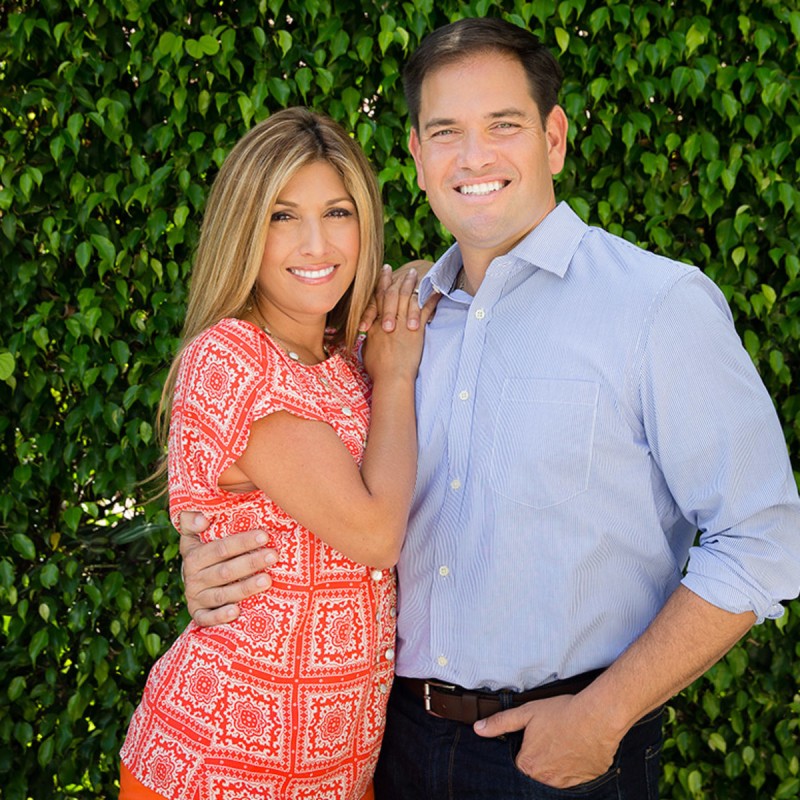
Rubio's path to where he is now financially? It was messy as hell. He graduated law school buried in debt, bought stuff he couldn't afford, let credit cards get out of control, and spent years with a negative net worth that would make most people's stomach turn. His story includes moving in with his mother-in-law out of desperation, getting roasted in the media over an $80,000 boat purchase, and watching his wealthier colleagues build empires while he struggled to stay afloat.
But that mess is exactly what makes the story worth telling. The marco rubio net worth today—sitting somewhere between $1 million and $2.5 million—didn't come from luck or connections. It came from grinding it out. His house in West Miami, his federal pension, his teaching money, his book deals, and now his $250,600 Secretary of State salary all add up to something most Americans would recognize as solid, stable, middle-class success.
At 53, Rubio's finally reached the financial security his parents worked toward their entire lives but never quite achieved. He owns a home (yeah, there's still a mortgage), has retirement savings, sends his four kids to college, and doesn't lose sleep over making rent. By Washington D.C. standards, where everyone seems to be worth eight figures, he's practically poor. But by regular American standards—especially for someone who literally started at zero and went negative—he's proof that you can recover from serious mistakes and still come out okay.
That's the real takeaway here. Not the specific dollar amounts, but the fact that someone can be over a million dollars in the hole and still turn it around through steady work and discipline. In a country obsessed with overnight success stories and get-rich-quick schemes, Rubio's slow, painful climb back to stability might be the most American story there is.
 Usman Salis