Alex Dudov
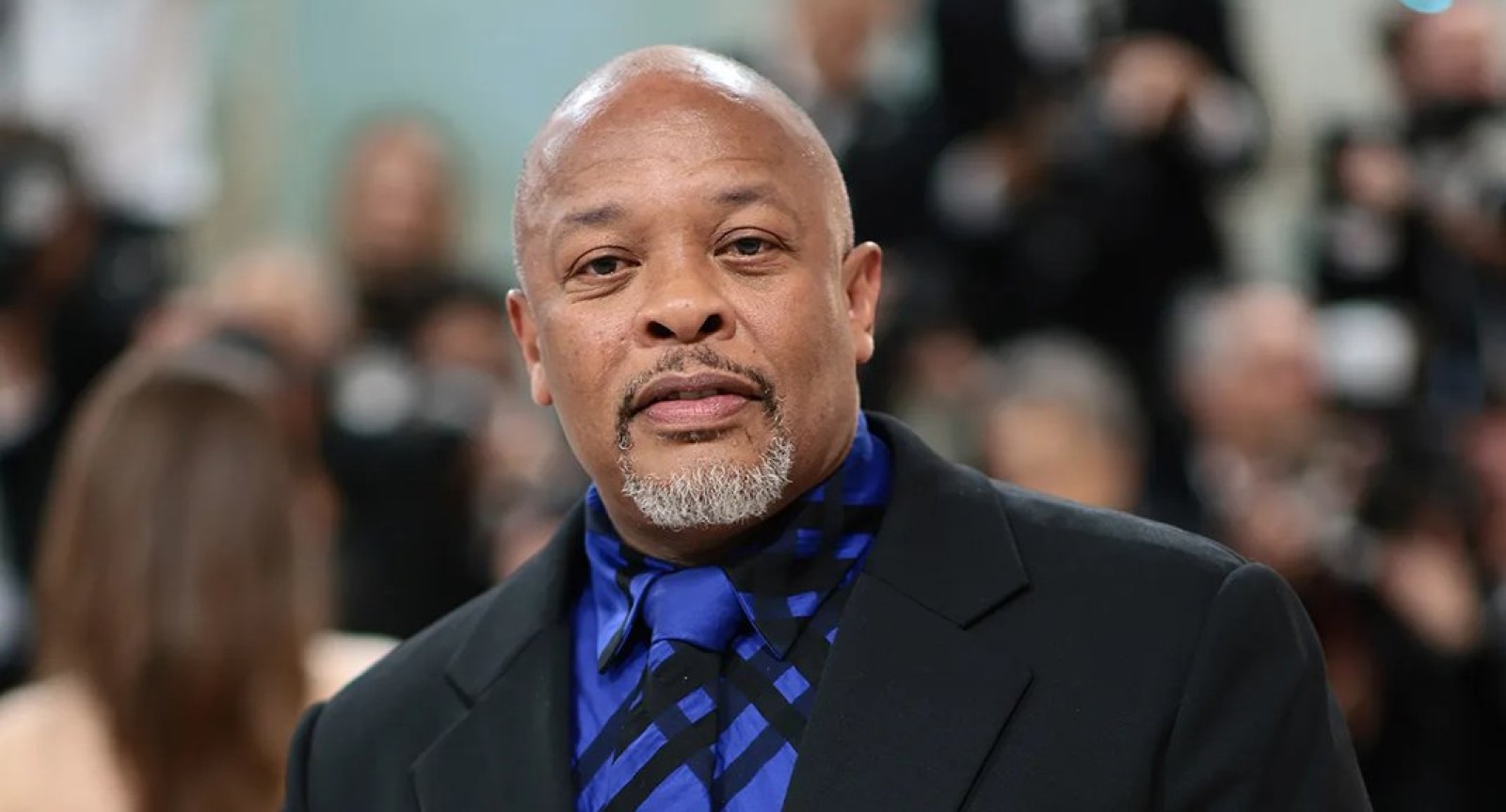
When you think about hip-hop wealth, Dr. Dre's name sits right at the top. The guy didn't just make beats—he built an empire that changed how artists think about money in the music game. From broke producer to half-billionaire, his journey shows what happens when raw talent meets smart business moves.
Dr. Dre's First Steps: From Club Gigs to N.W.A. Paychecks
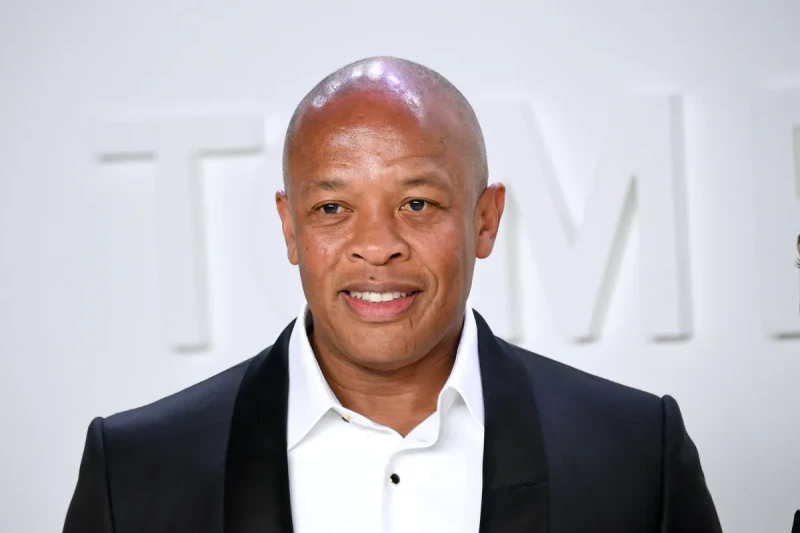
Back in the early 80s, Andre Young was just another kid trying to make it in LA's music scene. He started spinning records at clubs around Los Angeles, earning whatever cash he could from the electro-hop group World Class Wreckin' Cru. We're talking a few hundred bucks per show, maybe some small recording advances—nothing glamorous. But he was learning the craft, spending hours in home studios and cheap recording spots, figuring out what made people move.
His real breakthrough hit when he helped start N.W.A. in 1987. Even then, though, the money wasn't crazy. Early record deals meant Dre was pulling in maybe $15,000 to $20,000 per album. Decent for the time, sure, but nowhere near the fortune he'd eventually stack. Those N.W.A. years taught him something crucial though—the people making real money weren't always the ones making the music.
The Death Row Era: When Dr. Dre Net Worth Started Growing Serious
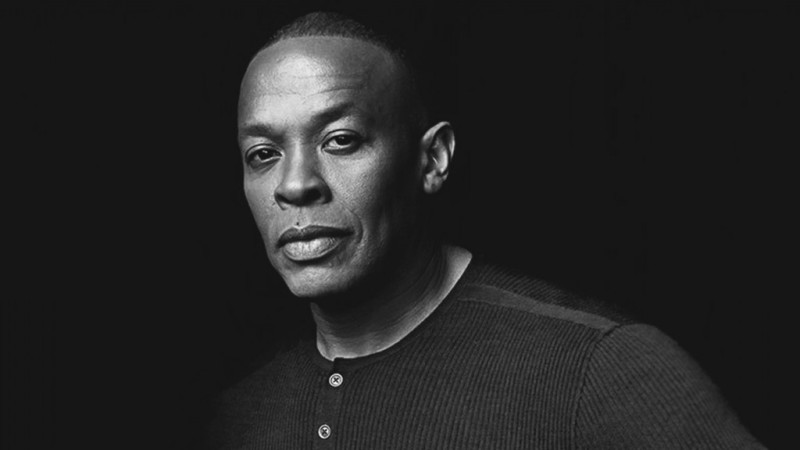
Everything changed when Dre left N.W.A. and launched Death Row Records with Suge Knight in 1991. His debut solo album "The Chronic" dropped in 1992 and absolutely blew up—5.7 million copies sold, creating that G-funk sound everyone tried to copy for the next decade. During those Death Row years from 1992 to 1996, Dre was finally seeing real money, somewhere around $500,000 to a million annually from production fees, royalties, and album sales.
He produced Snoop Dogg's "Doggystyle," which moved 800,000 copies in its first week alone, and worked on 2Pac's "All Eyez on Me." The hits kept coming, but here's the thing—Death Row's shady business practices meant Dre wasn't seeing most of the profits from his own work. He was creating goldmines but only getting a shovel's worth. That frustration would push him to make moves that actually changed his financial future.
Peak Success: Aftermath and the Beats Explosion
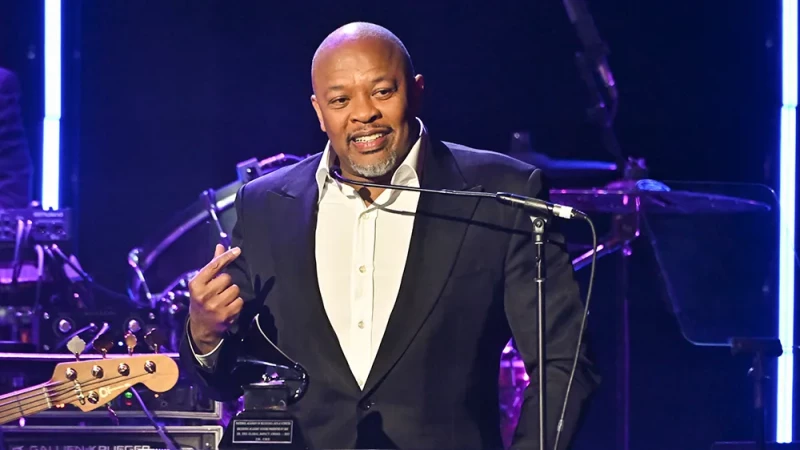
Dre bounced from Death Row in 1996 and started Aftermath Entertainment, finally controlling his own destiny. His second album "2001" sold 7.8 million copies in 1999, but the real wealth came from what he did next—discovering Eminem and 50 Cent. By the early 2000s, producers were paying him $250,000 to $500,000 just for a single track, plus he was getting backend points on every artist he developed. His net worth jumped from around $15 million in 1999 to over $100 million by 2006.
Then came the move that changed everything. In 2008, Dre and Jimmy Iovine launched Beats Electronics. Those premium headphones took over the market, grabbing 70% of the luxury headphone business by 2013. When Apple bought Beats for $3 billion in 2014, Dre walked away with roughly $500 million after taxes. That one deal briefly made him hip-hop's first billionaire, though his current net worth has settled around $500 million after investments and living that mogul lifestyle.
Dr. Dre Net Worth Today: What He's Making Now
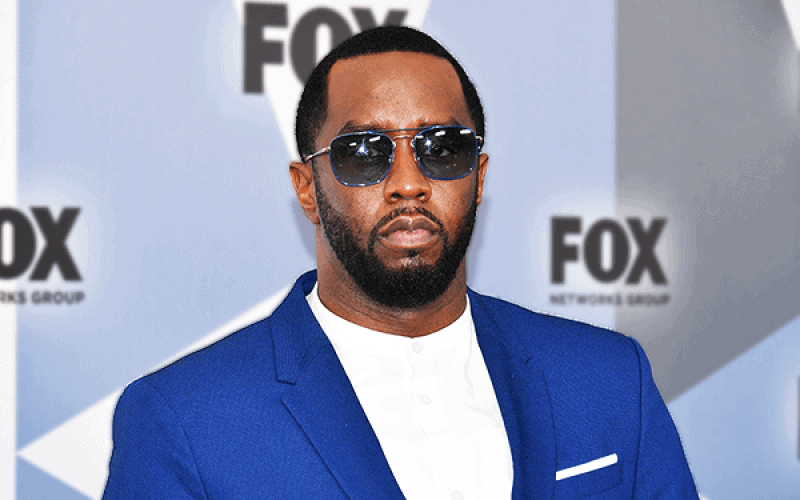
These days, Dr. Dre net worth sits at approximately $500 million. He's not dropping albums every year anymore, but the money's still flowing from multiple directions. His Aftermath Entertainment catalog pulls in millions annually just from streaming—all those classic Eminem tracks, Kendrick Lamar hits, and his own legendary productions still rack up plays daily. Those production credits and royalty deals from decades of work generate an estimated $10 to $20 million per year in passive income.
Dre's also sitting on serious real estate, including that $40 million Brentwood mansion he bought from Tom Brady and Gisele Bündchen back in 2014. While he's stepped back from grinding in the studio every day, he still pops up for big moments like that Super Bowl LVI halftime show or working on Eminem's recent projects. The streaming era has been good to him—younger fans discovering West Coast hip-hop means his classic productions keep generating cash while he enjoys the fruits of all that earlier hustle.
How Dr. Dre Built His Fortune: Success Lessons from a Hip-Hop Mogul
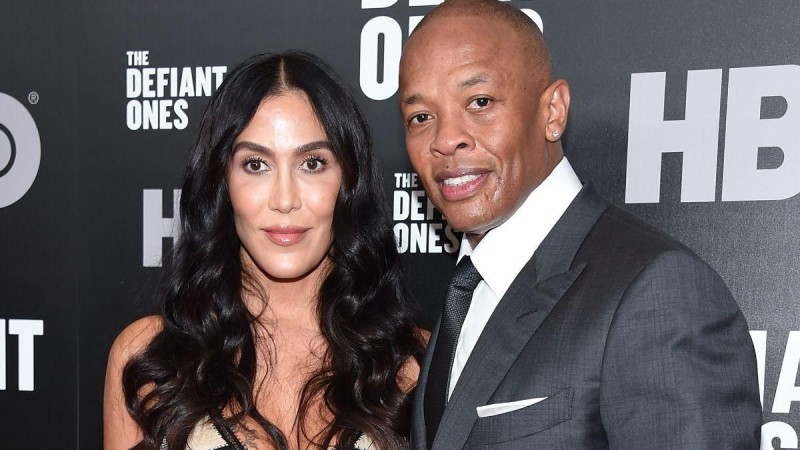
Dre's always been vocal about what it takes to build real wealth in music, and his philosophy boils down to a few key principles. First up—own your stuff. Those early Death Row days taught him the hard way that making hits doesn't mean anything if someone else controls your masters and business deals. When Beats came around, he made sure he had equity, not just some celebrity endorsement check that would dry up eventually.
Second, he's a perfectionist who values quality over pumping out content. The guy spent years crafting albums, sometimes scrapping entire projects if they didn't hit his standards. That legendary "Detox" album he worked on for over a decade before abandoning? That's Dre refusing to drop something mediocre just for a quick payday.
Third, his real genius was spotting talent and building them up. From Snoop Dogg to Eminem to Kendrick Lamar, Dre's ear for finding the next big thing created revenue streams way beyond just his own music. He tells young producers to learn the business side—study contracts, understand where every dollar comes from and where it goes. And finally, diversify. Moving from pure music into consumer electronics with Beats showed he understood that musicians need multiple income sources to build wealth that lasts generations. That's how you go from club DJ to half-billionaire.
 Alex Dudov