Alex Dudov
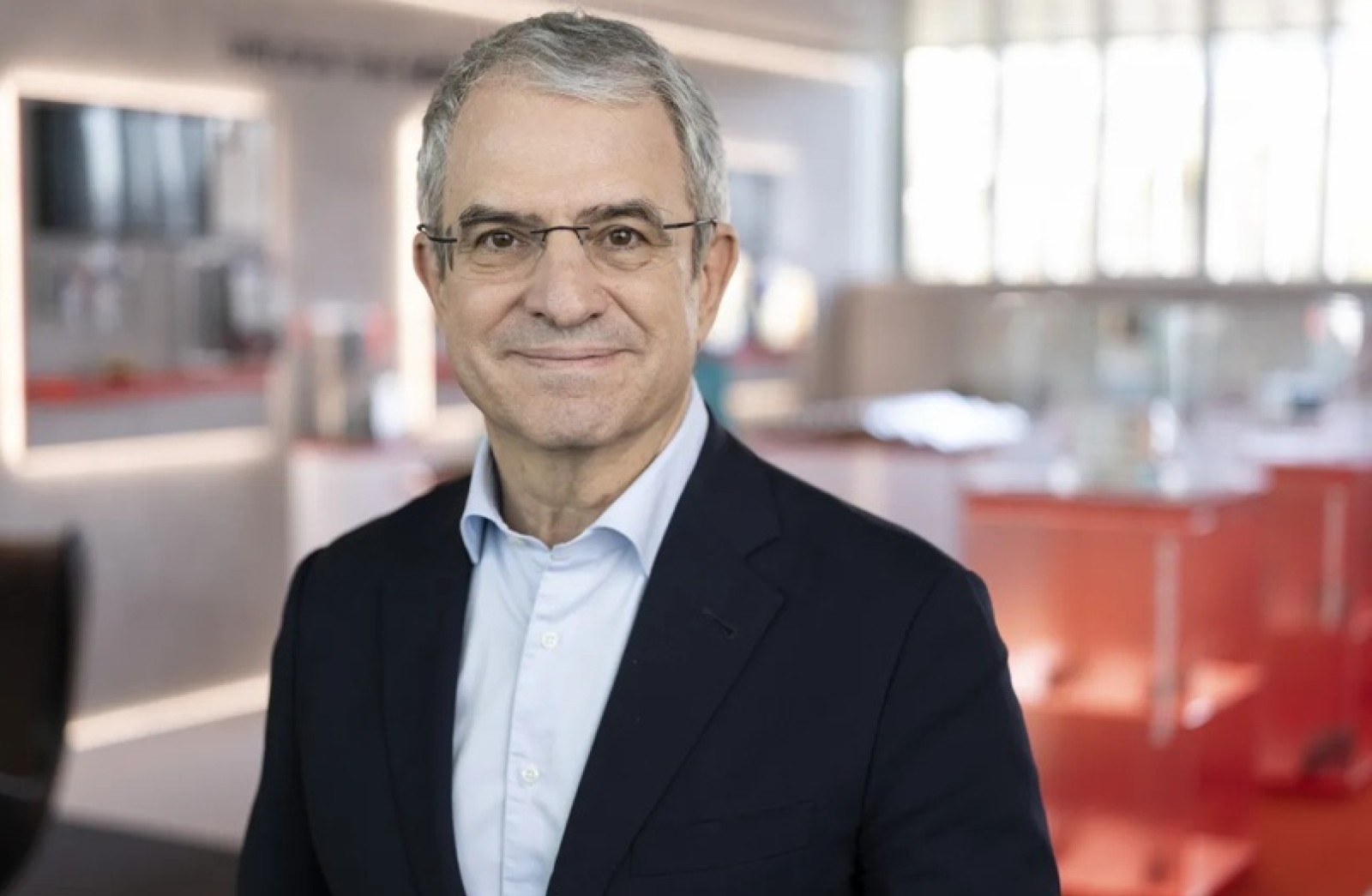
Laurent Freixe's story is one of those rare corporate fairy tales that actually happened. The guy started as a nobody in a marketing department back in the 80s and ended up running one of the most powerful food companies on the planet. We're talking about Nestlé here – the folks behind everything from KitKat bars to bottled water to baby formula. It's a $300 billion empire, and Freixe's sitting at the very top of it right now.
What makes his journey interesting isn't just the money he's made, though that's pretty impressive too. It's how he got there – bouncing between countries, taking risks that would make most people sweat, and spending almost four decades perfecting his craft at one company. In a world where everyone job-hops every two years, this dude stuck around and made it work. Let's break down how he went from earning a regular paycheck to pulling in millions annually.
Early Career: Where the CEO of Nestlé Started Making Money
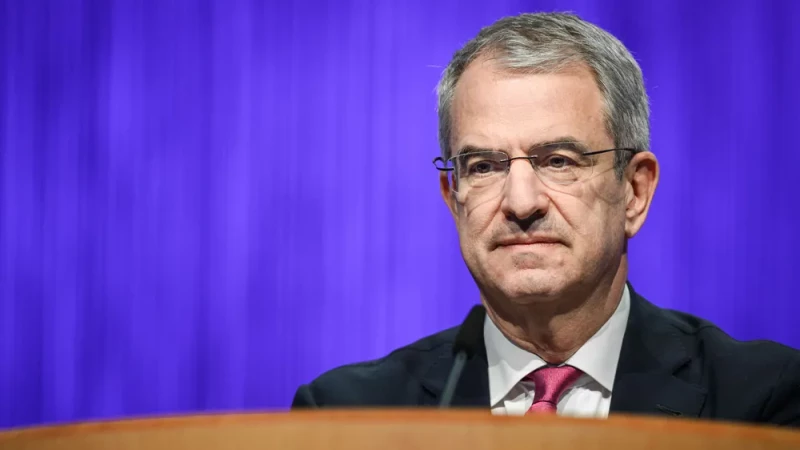
Back in 1986, Laurent Freixe walked into his first day at Nestlé as a marketing trainee in France. Nothing glamorous about it – just a fresh business school graduate trying to figure out how the corporate world worked. His starting salary was probably somewhere around what you'd expect for a mid-80s entry-level position, maybe $30,000-40,000 in today's money. Not exactly living large, but it was a foot in the door.
What's cool about Freixe is that he didn't treat that trainee gig like just another job. He treated it like an audition for something bigger. Those early years were all about learning the ropes, understanding how products moved from factories to grocery store shelves, and figuring out what made consumers pick one brand over another. The money wasn't great, but the education was priceless.
He spent his twenties grinding through different marketing roles, moving from project to project, product to product. This is where most people get stuck or bored, but Freixe seemed to thrive on it. He wasn't afraid to relocate either – the guy packed his bags and moved wherever Nestlé needed him. That flexibility became his secret weapon because it showed management he was serious about building a real career, not just collecting paychecks.
Climbing the Ranks: How the Future CEO of Nestlé Built His Fortune
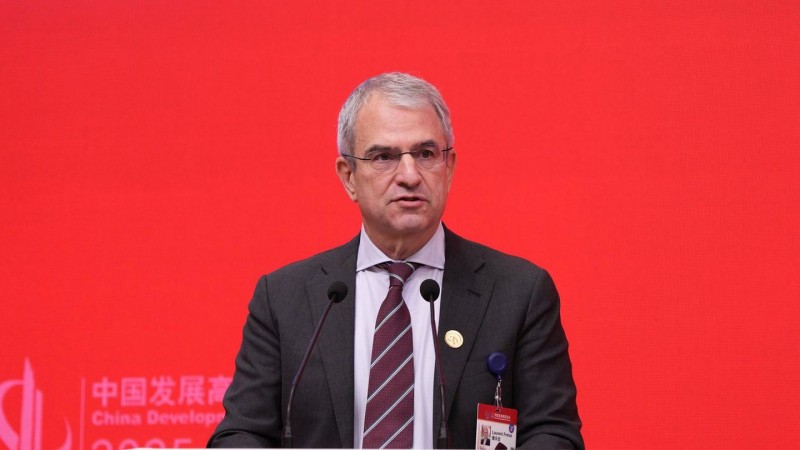
The 1990s and 2000s is when things started getting interesting financially for Freixe. He stopped being just another marketing guy and started running actual operations. We're talking country manager positions, regional director roles – the kind of jobs where you're responsible for hundreds of employees and millions in revenue.
During this stretch, his compensation probably jumped to somewhere between $200,000 and $500,000 annually. Still not CEO money, but definitely comfortable living. The thing is, at this level, it's not just about the base salary anymore. You start getting bonuses tied to performance, stock options that could be worth serious cash if the company does well, and all sorts of executive perks.
Freixe's big break came when he took over Nestlé's operations in Latin America. This wasn't some cushy assignment in Switzerland or the US – he was dealing with challenging markets, economic instability, currency fluctuations, and all the chaos that comes with emerging economies. But he crushed it. He grew the business, built strong teams, and proved he could handle pressure.
By 2015, when he became CEO of Nestlé's Zone Americas, his total compensation package was probably hitting $2-3 million per year. At this point, he wasn't just managing products or countries – he was overseeing an entire hemisphere of operations. The stakes were massive, but so were the rewards. Every successful quarter, every market share gain, every new product launch translated directly into bigger bonuses and more valuable stock options.
As he moved up to run Europe, Middle East, and North Africa, his pay kept climbing – likely reaching $4-6 million annually. This is where executives start accumulating real wealth, not just earning a good living. The stock options from these roles, if held and vested properly, can turn into tens of millions over time as the company's value grows.
Peak Success: Becoming Nestlé's Global CEO
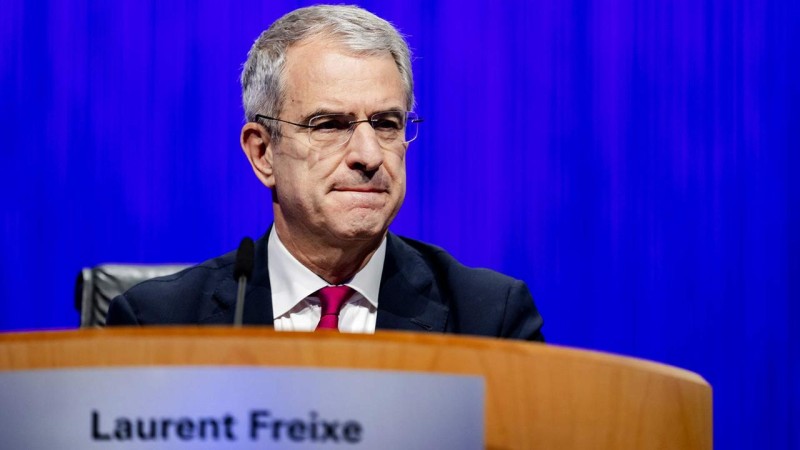
September 1, 2024, was the day Laurent Freixe officially hit the peak. He became CEO of Nestlé SA – not a regional division, not a business unit, but the whole damn thing. Over 270,000 employees worldwide, annual revenues north of $100 billion, operations in practically every country on Earth. This is as big as it gets in the food and beverage world.
At this level, the compensation gets absolutely wild. His predecessor, Mark Schneider, was pulling in around $11-13 million in total annual compensation. That's base salary plus performance bonuses plus pension contributions plus long-term incentive plans. Freixe's package is probably in that same ballpark, maybe even higher depending on how the board structured his deal.
But here's the thing about CEO compensation at this level – the base salary is almost the smallest part of it. Yeah, he's probably getting several million Swiss francs as his guaranteed salary, but the real money is in the performance bonuses and stock options. If Nestlé hits its targets, his annual bonus could double or triple his base pay. And those stock options? They could be worth $20-30 million or more over the course of his tenure, assuming the company keeps growing.
The pressure is insane, though. Every quarterly earnings report, every product recall, every shift in consumer trends – it all lands on his desk. He's not just responsible to shareholders; he's responsible to hundreds of thousands of employees and their families. That's a heavy weight to carry, even with a massive paycheck attached.
Current Net Worth and Earnings of Laurent Freixe
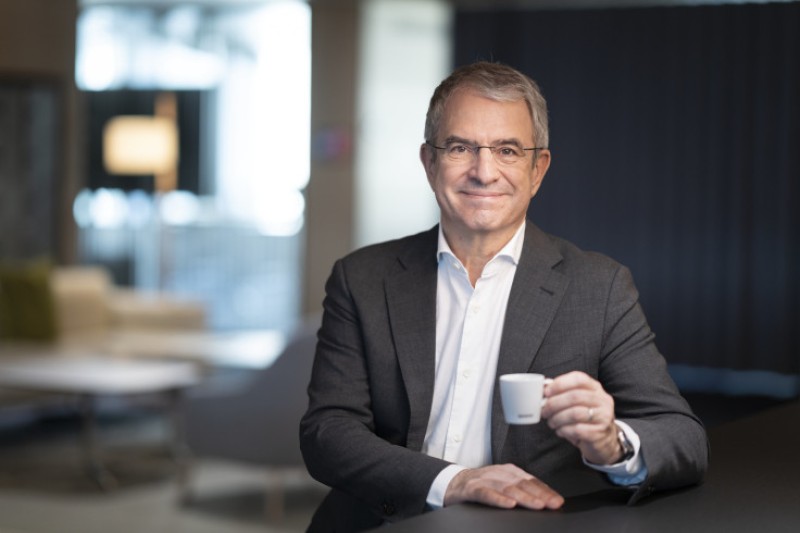
So what's the bottom line on Freixe's personal wealth? Based on what we know about executive compensation at this level and his nearly 40-year career at Nestlé, estimates put his net worth somewhere between $50-100 million. That's accumulated salary, bonuses, stock options that have vested and appreciated, and smart investments along the way.
His current annual compensation as CEO of Nestlé probably ranges from $12-15 million when you add everything up. That includes his base salary, which might be $3-4 million, annual bonuses that could hit $5-6 million in a good year, stock awards worth several million, pension contributions, and various executive perks. The exact numbers aren't public yet since he's relatively new in the role, but that's the ballpark for someone running a company this size.
What's really building his wealth right now is his equity stake in Nestlé. As CEO, he holds significant company shares, and with Nestlé's market cap sitting around $300 billion, even a fraction of a percent ownership means serious money. Plus, all those stock options he earned climbing the ladder over the past decades? They've been appreciating nicely as the company's grown.
Smart executives at Freixe's level don't just park their money in a savings account either. He's probably got investments spread across real estate, private equity funds, maybe some startup ventures, and other diversified holdings. When you're making $12-15 million a year, you can afford the best wealth managers in the world to help your money multiply.
The guy's not flashy about it either. You won't see him buying sports teams or launching himself into space like some tech billionaires. He seems pretty focused on the work itself, which honestly might be part of why he's been so successful.
Key Principles: How the CEO of Nestlé Defines Success
If you look at Freixe's four-decade journey from marketing trainee to global CEO, some clear patterns emerge about what actually works when building a career. Here's what stands out:
Say yes to the scary opportunities. Freixe's career is basically a masterclass in strategic discomfort. Every time Nestlé asked him to take on a challenging market or unfamiliar territory, he said yes. Latin America, Europe, Middle East, Africa – the guy never turned down a tough assignment. Most people play it safe and stay where they're comfortable. Freixe did the opposite, and that willingness to embrace uncertainty made him indispensable.
Become irreplaceable through deep expertise. Spending 40 years at one company might sound boring or risky to some people, but Freixe turned it into his superpower. He knows Nestlé's business inside and out – the supply chains, the markets, the products, the culture. That depth of knowledge means he can make decisions faster and better than someone who just parachuted in from another industry. He's not just running a company; he's running THIS company, and nobody does it better.
Play the long game while delivering short-term wins. Here's the tricky part that trips up a lot of ambitious people – you've got to be patient about the big picture while still crushing it every quarter. Freixe didn't jump to a competitor for a quick promotion or a bigger title. He stayed put and delivered consistent results year after year, trusting that the compound effect would eventually land him at the top. And it did.
Lead transformation, don't just manage maintenance. Throughout his career, especially in recent years, Freixe has pushed hard on sustainability initiatives, healthier product lines, and digital transformation. He's not content just keeping the machine running; he wants to rebuild the machine for the future. That forward-thinking approach is what separates leaders who get replaced from leaders who define eras.
Connect with people across every possible divide. Freixe's international experience taught him something crucial – business is ultimately about people, not spreadsheets. He's worked with teams across dozens of countries, navigating wildly different cultures, languages, and business practices. That ability to build genuine relationships and unite diverse groups around shared goals is what made him CEO material. Technical skills get you in the door, but people skills get you to the corner office.
The real lesson from Freixe's story? There are no shortcuts to the top, at least not sustainable ones. He put in the years, took the risks, delivered the results, and built relationships that mattered. It's not sexy advice, but it's honest advice. And looking at his net worth and his position today, it clearly works.
 Alex Dudov