Eseandre Mordi

Ed Bastian's story isn't your typical rags-to-riches tale, but it's pretty damn impressive. We're talking about a guy who started crunching numbers at an accounting firm and ended up running one of the world's biggest airlines. His journey shows what happens when you combine smart money management with actually caring about the people you work with. Let's dive into how he built his fortune and what lessons we can take from his rise to the top.
Early Career: How the Future CEO of Delta Started Earning
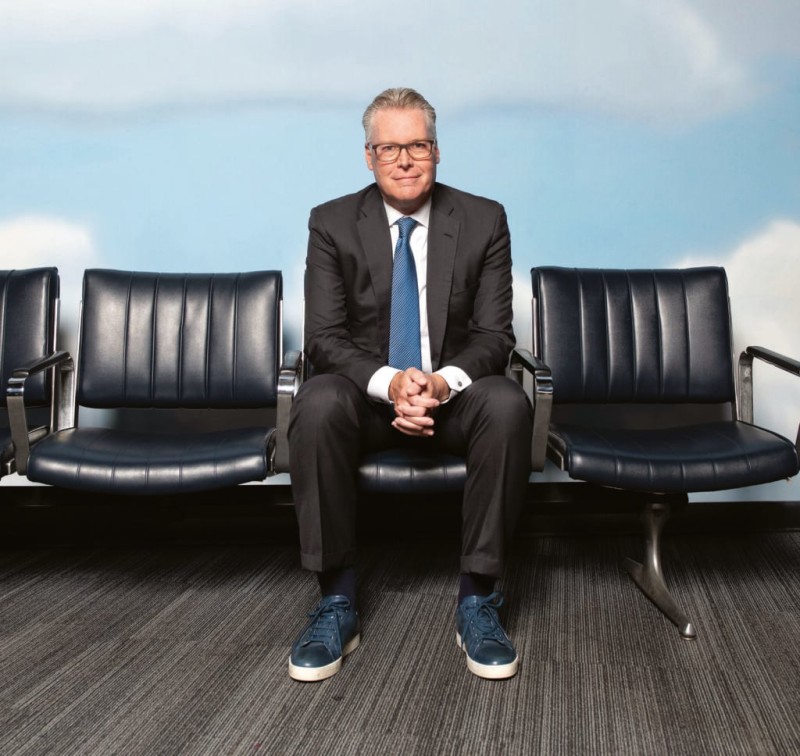
Ed Bastian wasn't born into money or connections. Growing up in Poughkeepsie, New York, he was just a regular kid who happened to be pretty good with numbers. After graduating from St. Bonaventure University in 1979 with an accounting degree, he landed his first real job at Price Waterhouse, which is now part of PricewaterhouseCoopers. Back then, he was pulling in somewhere between $15,000 and $18,000 a year. That might sound like nothing now, but for a fresh college grad in the late '70s, it was decent. He spent his days buried in spreadsheets and financial statements, learning the nuts and bolts of corporate finance. Nobody could've predicted that this quiet accountant would one day be calling the shots at a major airline, but he was building the foundation for everything that came next.
The Road to Delta: Career Growth and Rising Salaries

Fast forward to 1998, and Bastian made the move that changed everything. He joined Delta Air Lines as vice president of finance and controller, suddenly making around $200,000 to $250,000 annually. That's a hell of a jump from his accounting firm days. The airline industry noticed he had something special—he could look at a balance sheet and see the bigger picture, not just the numbers. By 2000, he'd moved up to senior vice president, and four years later, he became executive vice president and chief financial officer. At that point, his compensation was hitting $2 to $3 million per year when you counted bonuses and stock options. But here's where it gets interesting: from 2005 to 2007, Delta went through bankruptcy, and Bastian was right in the middle of it. Instead of jumping ship like many executives do, he helped steer the company back to solid ground. That's when people really started paying attention to what he could do.
Peak Success: CEO of Delta and Executive Compensation
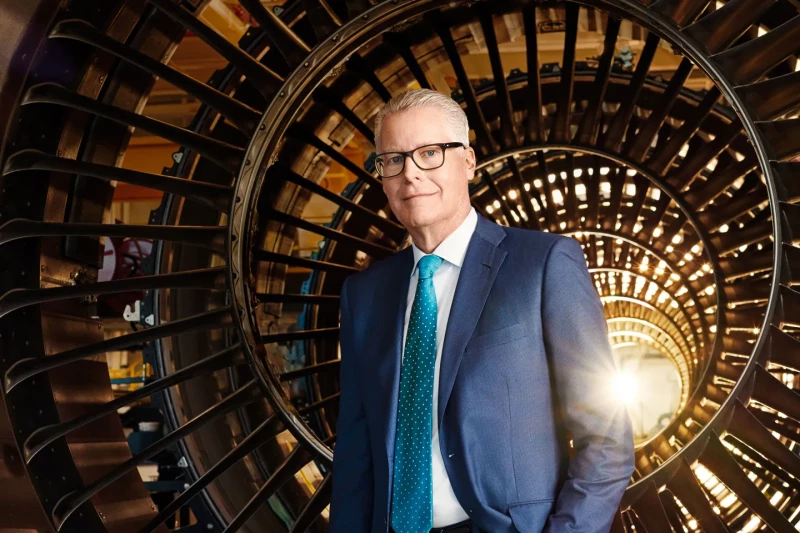
May 2016 was when Bastian hit the big time. Delta named him CEO, and his pay package reflected it—we're talking $13 to $17 million annually in those first years. By 2019, before COVID turned everything upside down, he was making around $15 million total, with a base salary of about $900,000 plus bonuses and stock awards. The CEO of Delta wasn't just collecting a fat paycheck though. Under his watch, Delta posted its most profitable year ever in 2019. Then the pandemic hit, and here's where Bastian showed what he's really made of. He took a 100% pay cut for six months and kept his compensation reduced through 2020. You don't see that every day from a CEO. It wasn't just for show either—his employees noticed, and it built loyalty that helped Delta weather the storm better than most airlines.
Current Net Worth and Today's Earnings

These days, Bastian's sitting on a net worth estimated somewhere between $50 and $70 million. Not bad for a kid from Poughkeepsie who started out as an accountant. His current annual compensation as the CEO of Delta is back up to pre-pandemic levels, pulling in $15 to $20 million depending on how the company performs and what his stock does. In 2023, his total comp was reported at around $17.4 million, making him one of the highest-paid executives in the airline business. A big chunk of his wealth is tied up in Delta stock, which makes sense—he's literally betting on himself and the company he runs. And honestly, it's been paying off. Delta keeps beating its competitors on customer satisfaction, on-time performance, and financial results, so nobody's really questioning whether he's worth what they're paying him.
Key Success Principles from Ed Bastian's Leadership Philosophy

Bastian's shared plenty of wisdom over the years about what it takes to succeed, and it's refreshing because it's not the usual corporate BS. First up, he's all about putting people first—both the folks who work for you and the customers you serve. He's always saying that people who feel valued are the ones who deliver great service, and Delta's culture backs that up. Second, he's big on being transparent, especially when things go wrong. During COVID, he was doing regular town halls and sending personal video messages to all 75,000 Delta employees. That kind of communication builds trust when everything feels uncertain. Third, Bastian thinks long-term, not quarter-to-quarter. He's made decisions that hurt short-term profits but set Delta up for success down the road. And finally, he never stopped learning. The guy went from being an accountant to running an airline because he stayed curious and wasn't afraid to step into unfamiliar territory. His whole career proves that if you're smart with money, treat people right, and think strategically, you can go from earning your first modest paycheck to leading one of the world's premier airlines.
 Eseandre Mordi