Alex Dudov
- From Basketball Courts to Boardrooms: How the CEO of Anthem Got Her Start
- Climbing the Ladder: BlueCross, UnitedHealth, and $120 Billion in Revenue
- Anthem CEO Role: $19.3M in 2021, $21.9M in 2023, and a $175B Business
- Awards and Recognition: What the World Thinks of the CEO of Anthem
- How to Think Like Gail Boudreaux: Success Principles from the CEO of Anthem
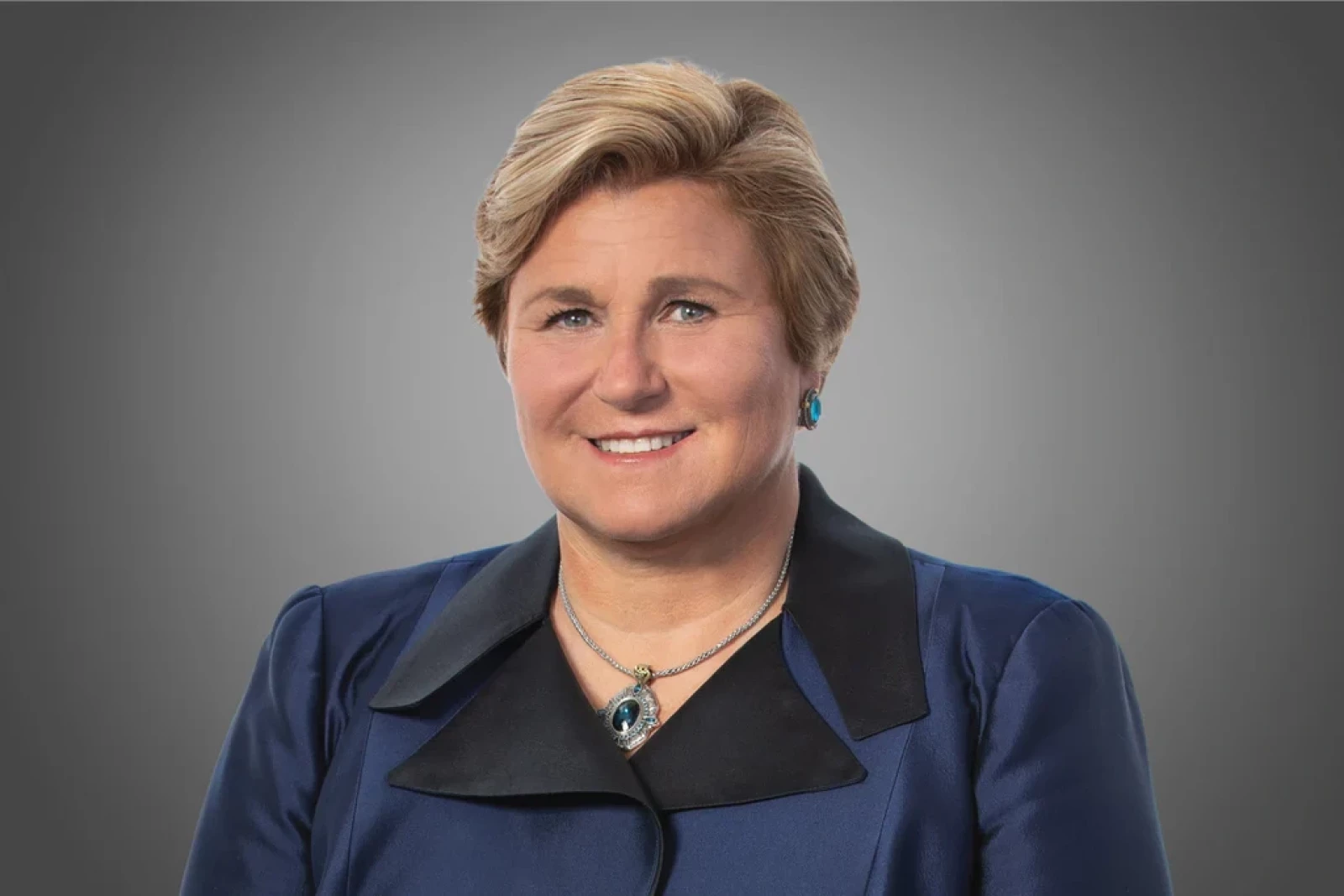
Gail Koziara Boudreaux is not the kind of executive who stumbled into power. She chased it, earned it, and rebuilt it every time she moved to a new company. Over three decades in health insurance, she went from an entry-level role at Aetna to running one of the largest health benefit companies in the United States. Today, as the leader of Elevance Health, formerly known as Anthem, she oversees a business generating $175 billion in operating revenue and serves tens of millions of Americans. But the story of how she got there is just as compelling as where she ended up.
From Basketball Courts to Boardrooms: How the CEO of Anthem Got Her Start
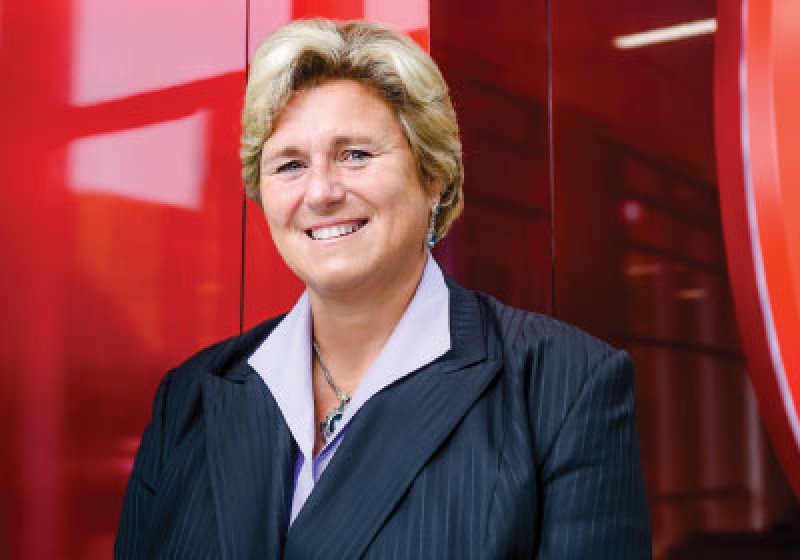
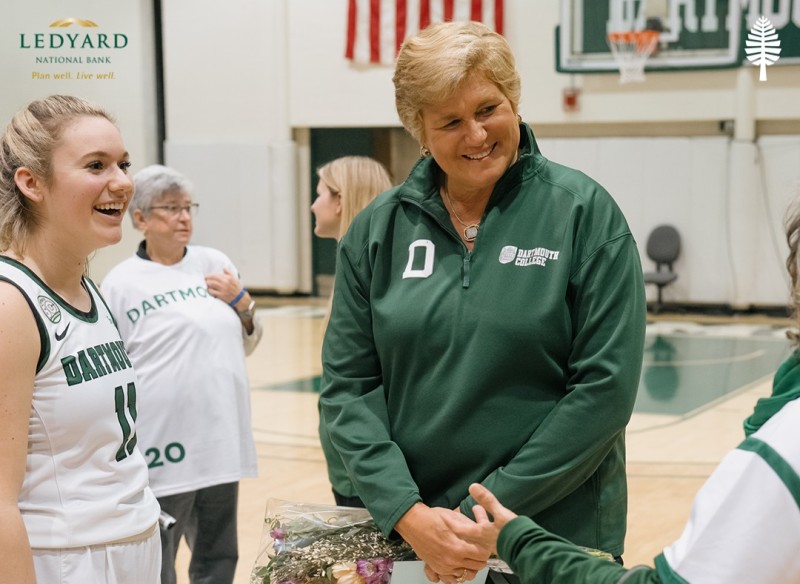
Before Gail Boudreaux ever thought about health insurance, she was one of the best basketball players in Massachusetts. As a high school senior in Chicopee, she averaged 23.4 points and 20 rebounds per game, finished with a school-record 1,719 career points, and earned a Parade All-American honor. She wasn't just talented. She was relentless, and that quality never left her.
She took that same drive to Dartmouth College, where she graduated cum laude in 1982. Her first real professional home was Aetna, where she spent over 20 years working her way through the organization and figuring out how the health insurance industry actually works from the inside. It wasn't glamorous at first, but it was exactly the kind of education that later made her invaluable at every company she joined. She also went back to school along the way, earning her MBA with high honors from Columbia Business School in 1989, which gave her the business fluency to match her operational instincts.
Climbing the Ladder: BlueCross, UnitedHealth, and $120 Billion in Revenue
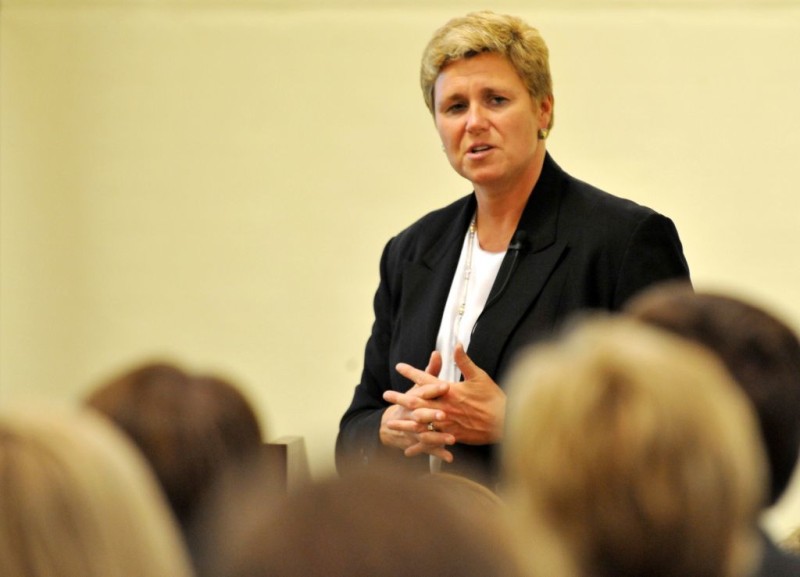
In 2002, after more than two decades at Aetna, Boudreaux made her first major move into a top leadership role, becoming President of Blue Cross Blue Shield of Illinois. It was a clear signal that she wasn't content staying in the background. She wanted to run things, and she was good at it.
Six years later, in 2008, she joined UnitedHealth Group as Executive Vice President of UnitedHealthcare. By January 2011, she had been promoted to CEO of UnitedHealthcare, which at the time was the largest health insurer in the country, with 45 million customers, over 60,000 employees, and around $120 billion in annual revenue. It was an enormous job, and she handled it for nearly four years. When she stepped down in November 2014, she didn't disappear. She founded her own consulting firm, GKB Global Health, LLC, in 2015, staying sharp and connected while she figured out her next move.
Anthem CEO Role: $19.3M in 2021, $21.9M in 2023, and a $175B Business
The next move turned out to be a big one. In November 2017, Boudreaux was named President and CEO of Anthem, Inc., a Fortune 50 company with more than 40 million consumers and 73 million individuals served across 27 states. It was the role that would define her legacy.
Her pay reflected the scale of the responsibility. In 2021, the CEO of Anthem took home $19.3 million in total compensation. That broke down into a $1.6 million base salary, $9.9 million in stock options, $3.3 million in option awards, and $4 million in non-equity incentive pay. By 2023, her total earnings had grown to $21.9 million, which works out to more than $59,000 a day. Her estimated net worth stands at $44.2 million, built from years of accumulated salary, bonuses, and stock awards, including 7,600 units of Anthem stock options worth around $8.8 million and stock sales totaling $19.9 million over the years.
Meanwhile, the business kept growing. Anthem rebranded to Elevance Health, and under her watch the company hit $175 billion in operating revenue in 2024 and launched Mosaic Health, a national primary-care platform now serving close to 1 million consumers.
Awards and Recognition: What the World Thinks of the CEO of Anthem
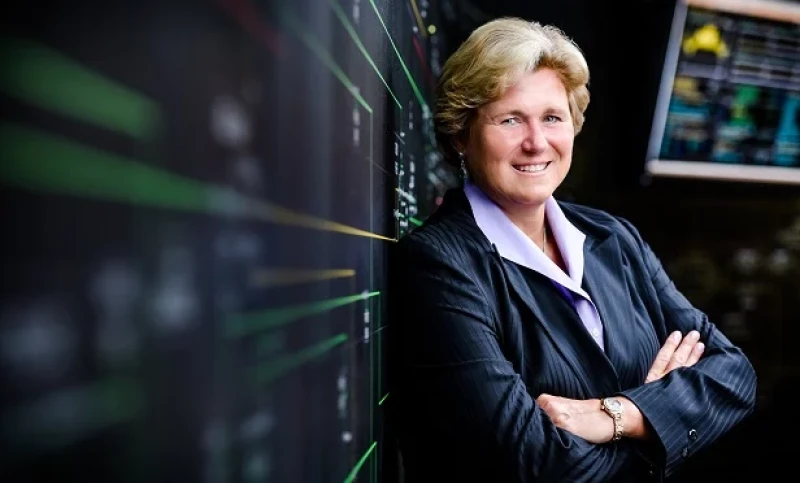
The recognition followed the results. Forbes ranked Boudreaux 10th on its list of the World's 100 Most Powerful Women in 2020, and 14th in 2023. Fortune put her at 10th on its Most Powerful Women list that same year. She received the Billie Jean King Contribution Award in 2018 and was named one of Modern Healthcare's Most Powerful People in Healthcare in 2021.
Then in 2023, she became the first woman ever to chair The Business Council, a group made up of the most influential CEOs in the country. It's the kind of historic milestone that tends to get a single line in a press release, but it actually says a lot about how far she has come and how much the landscape around her has shifted.
How to Think Like Gail Boudreaux: Success Principles from the CEO of Anthem
Boudreaux has never published a self-help book, but her career is one long lesson in how to build something lasting. A few ideas keep coming up when you look at how she operates.
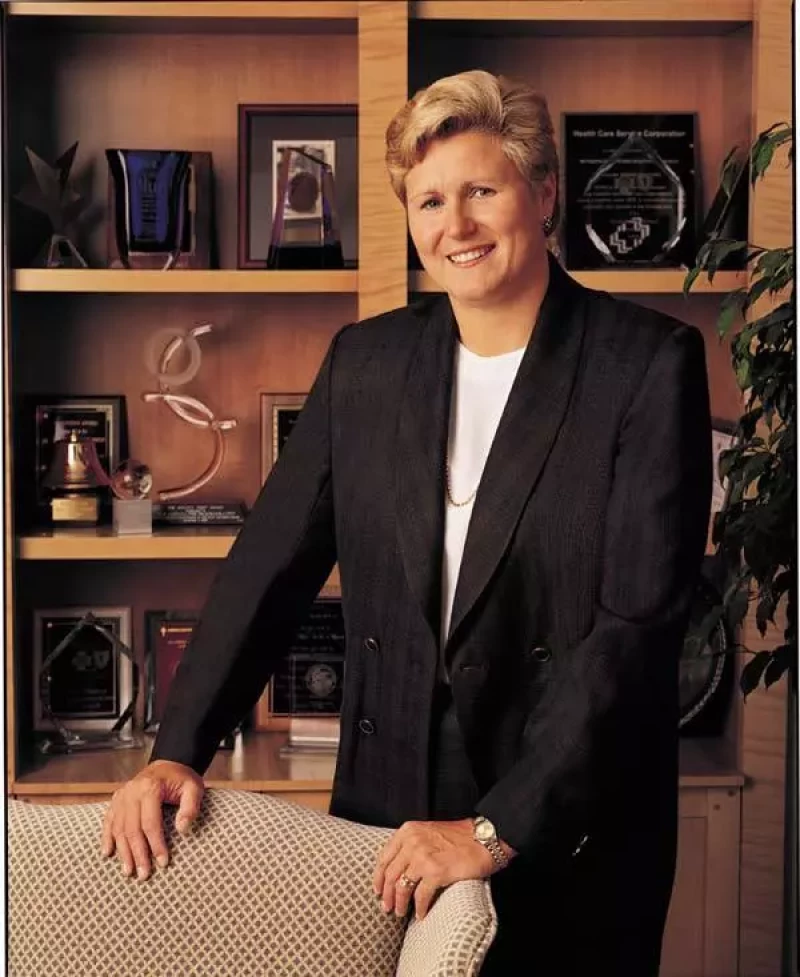
- Put purpose ahead of the numbers. She has always talked about Anthem's mission in human terms, not financial ones. She genuinely believes that making healthcare more accessible is the point, and that belief has made her more effective, not less. People follow leaders who actually care about what they're doing.
- Take the bigger job before you feel ready. Every transition in her career, from Aetna to BlueCross to UnitedHealth to Anthem, involved stepping into something larger than what she had done before. She didn't wait until she had all the answers. She trusted that she would figure it out, and she always did.
- Stay open, especially when things are uncertain. Her own advice on this is direct: be willing, stay open-minded, and take on the challenge. In healthcare, an industry that changes constantly due to policy, technology, and shifting public expectations, the executives who stay flexible outlast the ones who don't.
- Use the quiet periods to prepare. When she left UnitedHealthcare in 2014, she could have taken a long break. Instead, she built GKB Global Health and kept herself in the conversation. Two years later, when Anthem came calling, she was ready. That kind of intentional preparation is what separates people who wait for opportunities from people who create them.
- Build teams people actually want to be part of. Boudreaux has consistently emphasized inclusion and safety as non-negotiables in the workplace. That's not just good HR policy. It's good business. Companies where people feel respected and valued perform better, retain talent longer, and attract the kind of people who make hard things possible.
 Alex Dudov