Alex Dudov
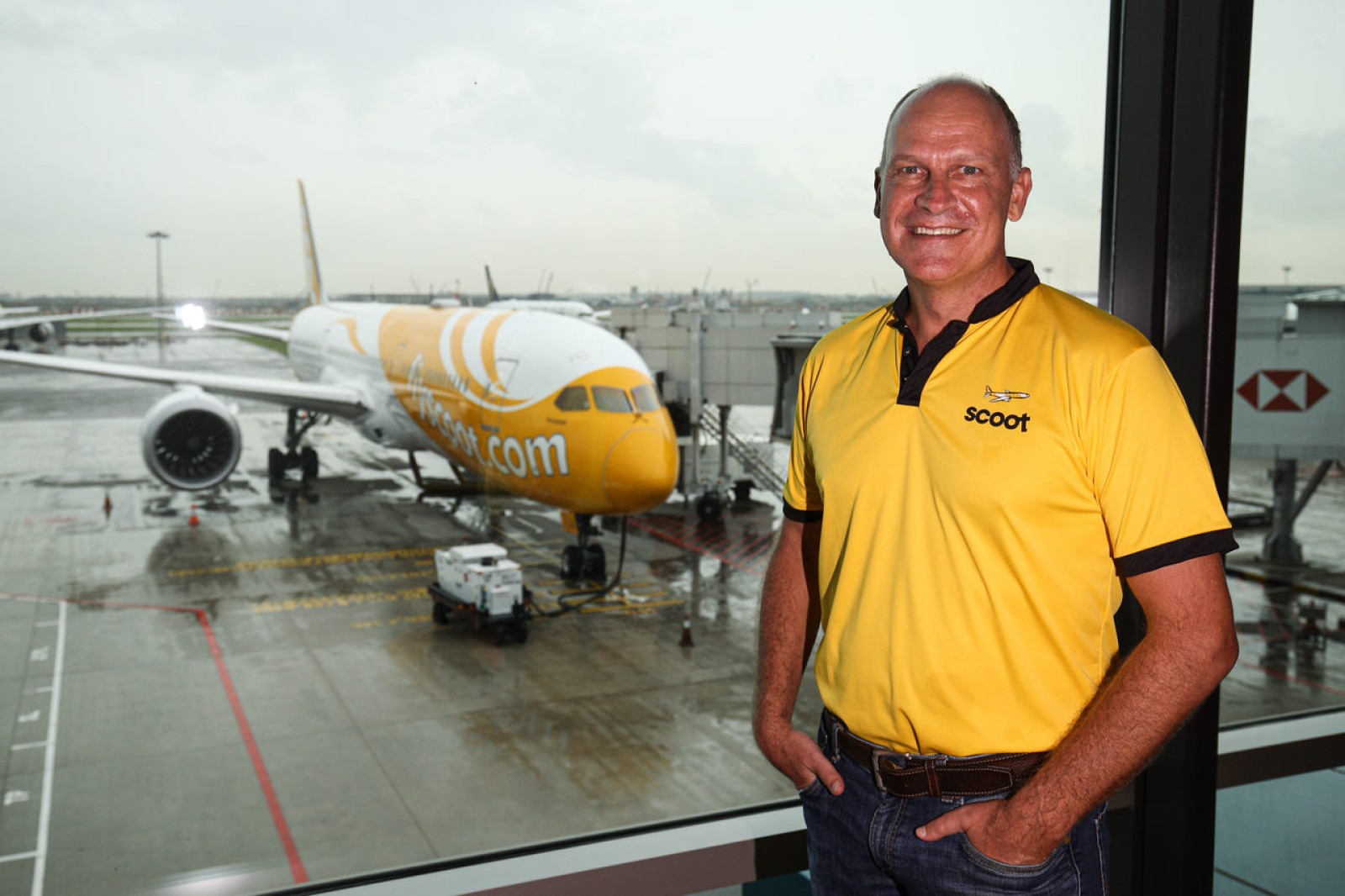
When Tata Group brought Campbell Wilson on board to run Air India, they weren't just hiring another airline executive—they were betting on a guy who'd actually built a successful airline from nothing. And honestly, that's exactly the kind of experience you need when you're trying to fix a carrier that's been losing money and passengers for decades.
From Baggage Tags to Boardrooms: Wilson's First Steps
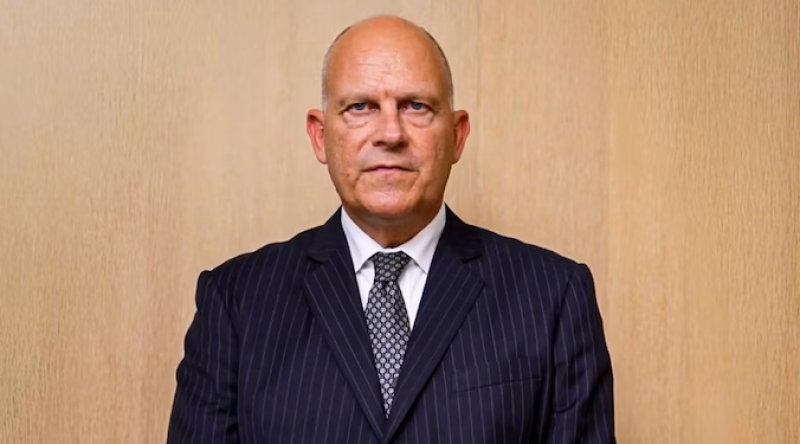
Campbell Wilson didn't start his career in some fancy corner office. Back in the early 1990s, he was working ground operations for Air New Zealand in Auckland—dealing with delayed flights, angry passengers, and all the chaos that comes with running an airport operation. His first paycheck? Probably somewhere around $25,000-30,000 a year, which wasn't much even back then.
But here's the thing: those years on the ground taught Wilson something most airline CEOs never learn—how things actually work when passengers are stressed, flights are late, and your baggage system just crashed. He spent his days solving real problems in real time, and that hands-on experience would shape everything he did later.
The Singapore Airlines Years: Learning from the Best
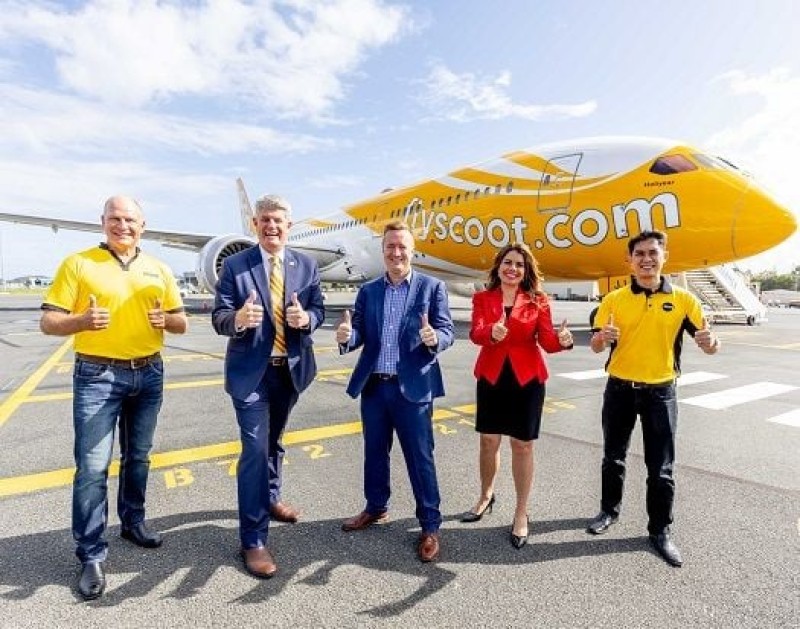
In 1996, Wilson made the jump to Singapore Airlines, and that's where his career really took off. He spent the next 26 years there, moving through different roles—network planning, sales, regional management—basically learning how one of the world's best airlines actually operates.
By the time he hit senior management in the mid-2010s, Wilson was pulling in around $300,000-500,000 annually. Not bad, but more importantly, he was learning how to run complex operations across multiple countries and how to keep service quality high even when you're cutting costs.
Building Scoot: Wilson Hits His Stride
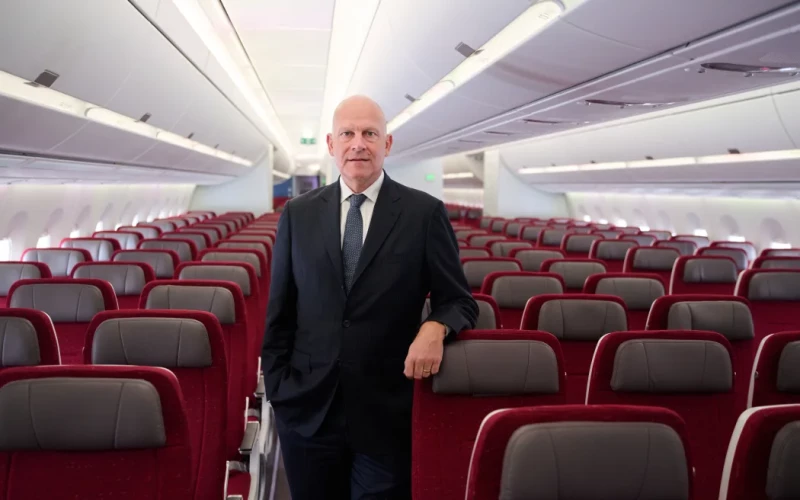
Here's where Wilson really proved himself. In 2011, Singapore Airlines asked him to start Scoot, their new budget airline, from scratch. And I mean literally from nothing—no planes, no routes, no brand recognition. Just an idea and a mandate to compete with AirAsia and other low-cost carriers.
Wilson built Scoot into a legitimate competitor over the next decade. The airline actually made money (which is rare for budget carriers), kept customers happy (even rarer), and grew steadily without imploding. During this period, Wilson's compensation climbed to somewhere between $800,000 and $1.2 million a year—combining salary, bonuses, and performance pay.
But the real achievement wasn't the money. It was proving he could build something sustainable in an industry where most startups crash and burn within five years.
Taking on Air India: The Ultimate Challenge
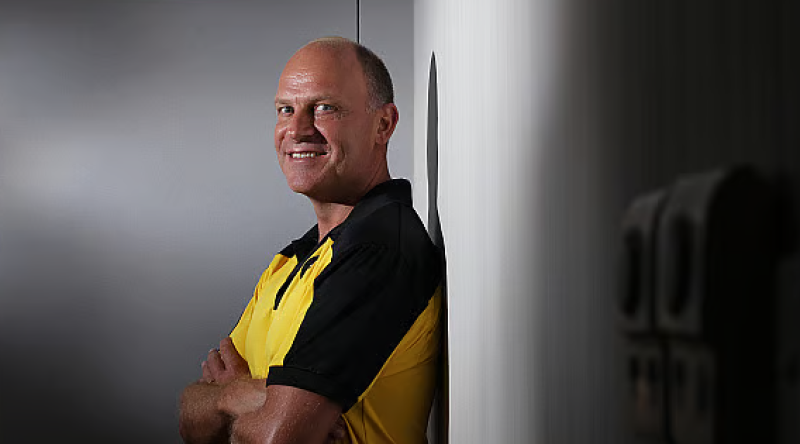
When the CEO of Air India Airlines took the job in June 2022, he walked into one of aviation's toughest turnaround situations. Air India had been bleeding money, losing market share, and frustrating passengers for years. The Tata Group had just bought it back from the government, and they needed someone who'd actually fixed airlines before.
Wilson's current package is probably in the $1-1.5 million range annually, though the exact numbers aren't public. But here's what is public: he's overseeing a massive transformation that includes ordering 470+ new planes (worth about $70 billion), completely overhauling operations, upgrading cabins, and basically rebuilding the airline's reputation from the ground up.
If he pulls this off over the next 5-7 years, industry watchers think his total compensation could hit $2-3 million annually with bonuses and performance incentives. But honestly, the bigger prize is cementing his legacy as the guy who saved India's national carrier.
What's He Worth Now?
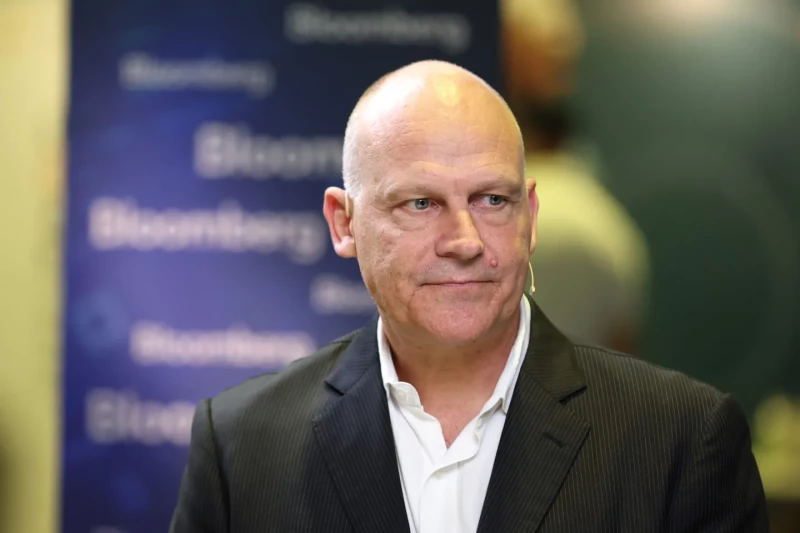
Right now, Wilson's annual earnings are solid but not crazy by global CEO standards—that $1-1.5 million base probably puts him in the comfortable-but-not-yacht-owner category. His net worth is harder to pin down since he's been a salaried executive his whole career rather than a founder or investor, but conservative estimates would put it somewhere in the $5-10 million range after 30+ years in aviation.
The real question is what happens if Air India's turnaround succeeds. A successful transformation could easily double or triple his compensation package and significantly boost his overall wealth through retention bonuses and potential equity arrangements.
Wilson's Rules for Success: What He's Learned
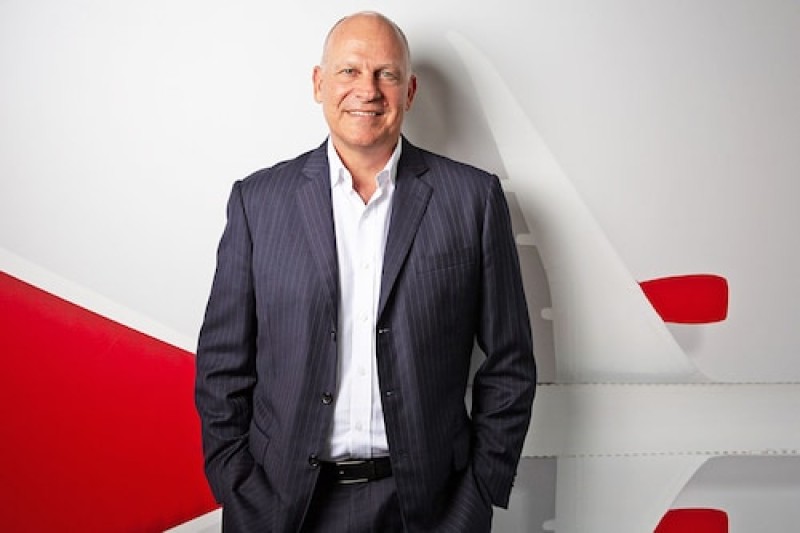
Throughout his career, the CEO of Air India Airlines has developed some pretty clear ideas about what works in aviation—and what doesn't. These aren't the usual corporate platitudes; they're lessons he learned the hard way.
- Put passengers first, even when it costs you: Wilson keeps saying that airlines mess up when they prioritize short-term savings over customer experience. Yeah, you might save money by cutting legroom or charging for everything, but passengers remember how you treated them long after they forget the ticket price.
- Give your frontline people real power: At both Scoot and Air India, Wilson's pushed to let gate agents, flight attendants, and customer service reps actually solve problems instead of saying "sorry, company policy." He figured out that empowered employees lead to happier customers.
- Think long-term in a short-term business: While other airlines chase quarterly earnings, Wilson focuses on building stuff that lasts—brand reputation, operational reliability, employee loyalty. It's slower, but it's also more sustainable.
- Fail fast, learn faster: Wilson talks openly about mistakes he made at Scoot, especially in the early years. His point is that you need to try things, see what breaks, fix it quickly, and move on. Waiting for perfect information means you never do anything.
- Understand the local culture: Having worked in New Zealand, Singapore, and India, Wilson's big on adapting to local markets instead of forcing Western management styles everywhere. What works in Singapore doesn't necessarily work in Delhi or Mumbai.
The CEO of Air India Airlines isn't your typical corporate executive who jumped from MBA to corner office. He's a guy who started handling baggage, learned the business from the ground up, built an airline from nothing, and now he's trying to fix one of aviation's biggest challenges. Whether he succeeds or not, his approach—patient, practical, people-focused—is pretty different from the usual airline playbook.
 Alex Dudov