Alex Dudov

Albert Bourla's story reads like something out of a movie. The CEO of Pfizer started as a vet in Greece and ended up running one of the biggest pharmaceutical companies on the planet during probably the most intense health crisis of our lifetime. His path from treating animals in Thessaloniki to calling the shots on a COVID vaccine that went into billions of arms is pretty wild when you think about it.
From Vet School to First Paycheck

Bourla got his veterinary degree from Aristotle University back in 1985 and started making real money as a practicing vet in Greece. He was good at what he did, but the pay was decent rather than spectacular. In 1993, he made the jump that changed everything—joining Pfizer's animal health division in Greece as a technical director. Back then, he was probably pulling in somewhere around $60,000-80,000 a year, which wasn't bad for the '90s but definitely wasn't CEO money. Still, it got his foot in the door at a company where he'd spend the next three decades climbing the ladder.
Climbing the Corporate Ladder at Pfizer

Once Bourla got inside Pfizer, he just kept moving up. Throughout the 2000s and early 2010s, he bounced around different leadership roles across Europe, learning the ropes and proving he could handle bigger responsibilities. By 2010, he was running Pfizer's entire global animal health business, which was worth billions and earning him something in the $2-4 million range annually when you count bonuses and stock. That's when people started seeing him as a serious player. When he got bumped up to Chief Operating Officer in 2018, his compensation jumped past $10 million, and everyone knew he was next in line for the top job. January 1, 2019—that's when he officially became CEO of Pfizer, taking home about $21 million that first year and getting the keys to a company doing over $50 billion in annual sales.
The Pandemic Years: When the CEO of Pfizer Became a Household Name
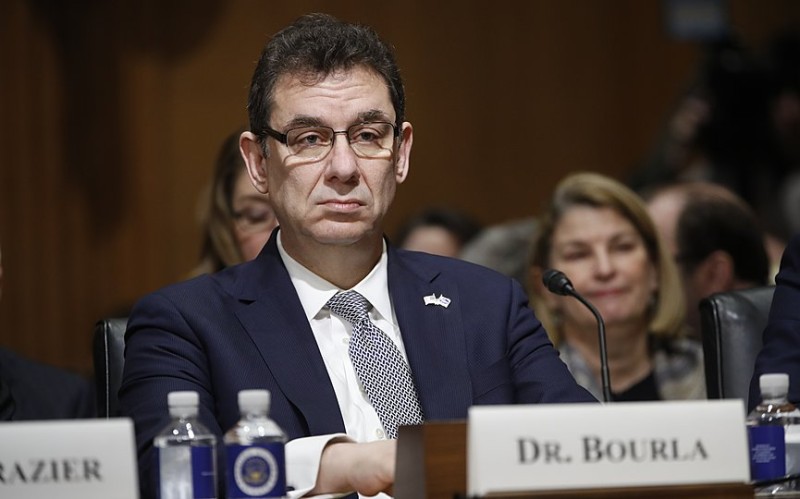
Everything changed for Bourla between 2020 and 2021. Leading Pfizer through the race to develop a COVID vaccine with BioNTech wasn't just another business challenge—it was a moment that put him on the world stage. Getting that vaccine from concept to emergency authorization in under a year? That's the kind of thing that makes or breaks a legacy. The company's value shot past $300 billion, and Bourla's compensation reflected what he'd pulled off. In 2021, he made $24.3 million, and the next year that number hit around $33 million, putting him right up there with the highest-paid pharma executives anywhere. But beyond the salary, his Pfizer stock holdings became worth tens of millions as the company's success just kept compounding.
What the CEO of Pfizer Makes Today
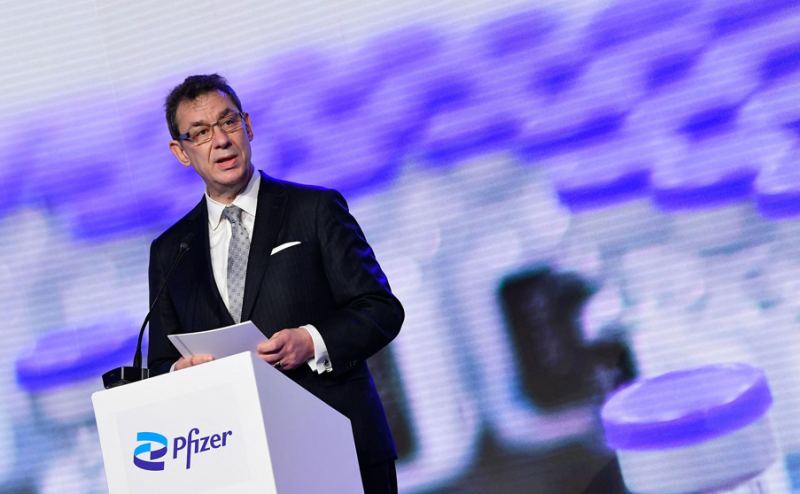
Right now, Bourla's sitting on a net worth estimated somewhere between $50 and $80 million. Not bad for a kid from Greece who started out treating animals. His yearly take as CEO of Pfizer runs between $25-35 million depending on how the company performs and what his stock awards look like. The base salary is only about $2 million—the real money comes from performance bonuses, long-term incentives, and stock options. Even as the pandemic fades into the rearview mirror, Pfizer keeps crushing it with cancer treatments, rare disease drugs, and other therapies, which means Bourla's compensation stays sky-high. Plus, his wealth keeps growing through smart investments and the ongoing appreciation of all that Pfizer stock he's accumulated over the years.
How to Build Success: Bourla's Playbook
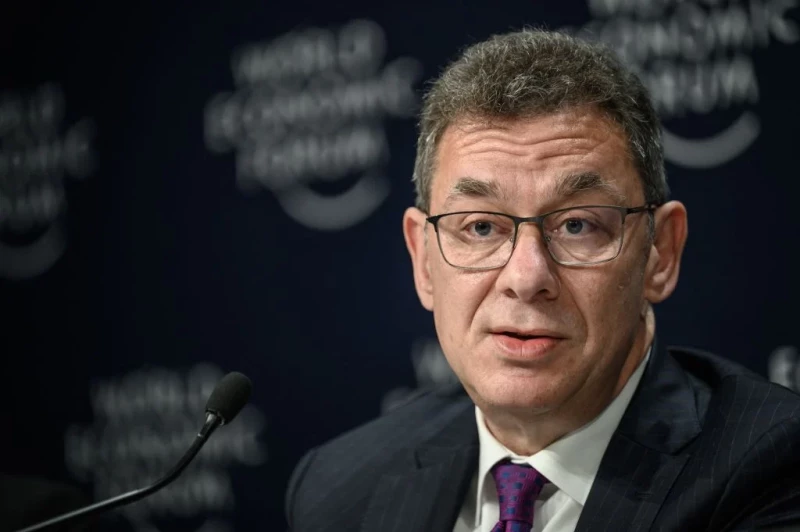
The CEO of Pfizer has been pretty open about what he thinks makes leaders successful, especially in science-heavy industries. First up is what he calls "scientific rigor combined with business courage"—basically, you need to understand the technical stuff cold while also having the guts to make big commercial bets. He's constantly talking about "bold decision-making in moments of uncertainty," and the COVID vaccine is his perfect example. Pfizer dumped massive money into development before anyone knew if it would work. That's courage backed by conviction.
Bourla also pushes hard on "leading with values over short-term profits." He points to Pfizer's choice to provide vaccines at cost to poorer countries as proof that doing the right thing and running a successful business aren't opposites. He credits "maintaining immigrant optimism" as a huge factor in his own success—that mentality of someone who moved countries and refused to accept limitations. And finally, he's big on "transparent communication with all stakeholders." Whether it's employees, regulators, or regular people, he believes trust is everything. You can't run a pharmaceutical company long-term if nobody believes what you're saying. For Bourla, business success and social responsibility aren't competing forces—they're two sides of the same coin, and understanding that is what separates good leaders from great ones.
 Alex Dudov