Peter Smith

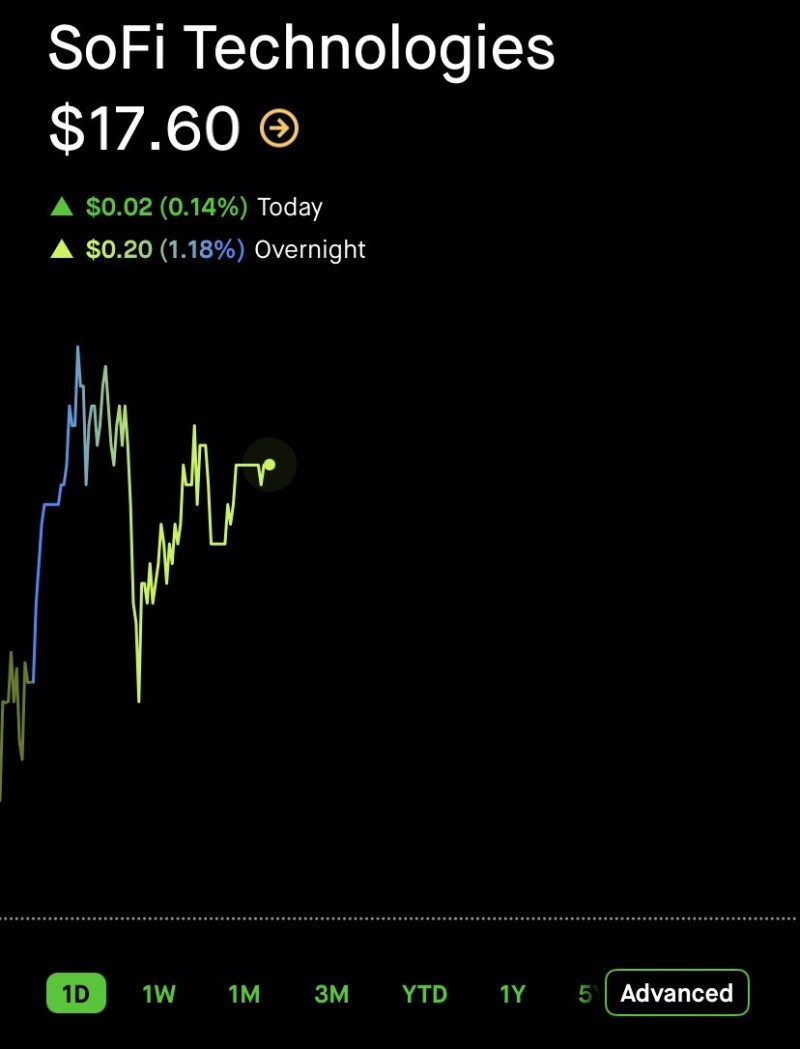
SoFi Technologies is trading around $17.60, up 0.14% on the day and 1.18% overnight, after a sharp but brief pullback triggered by a short seller report. The rebound signals that selling pressure has largely been absorbed and that market confidence in the stock's near-term floor is returning. For fintech investors watching the name closely, the recovery has come faster than many expected.
$17 Support Zone Holds as Key Technical Base
The $17 level has emerged as a critical demand zone across multiple tests. When Muddy Waters published its short report, SOFI Stock Drops 6% After Muddy Waters Short Attack, Holds $17 Support -- the stock briefly touched $17.09 before buyers stepped in. That quick recovery reinforced the zone as a structural floor rather than a coincidental bounce.
The technical case runs deeper. SOFI Stock Eyes Rebound After Testing $16.95 Fibonacci Support Zone -- the $16.95 area aligns with a key Fibonacci retracement level that has historically attracted buying interest. Combined with the broader picture from SOFI Holds Critical $17 Support After Pullback From $28 Highs -- confirming that $17 has transitioned from former resistance into a long-term structural base -- the confluence of these levels makes the current stabilization technically meaningful.
CEO Insider Buy of $500K Signals Internal Confidence
The price recovery coincides with a notable insider move: SoFi's CEO purchased approximately $500,000 worth of SOFI shares during the selloff. Insider buying at this scale, particularly in the wake of a short attack, is widely viewed as a vote of confidence in the company's fundamentals and forward outlook. It also tends to shift sentiment among retail and institutional investors who track executive activity as a leading indicator.
Together, the technical support holding and meaningful insider participation paint a cleaner picture than the short report suggested. The $17 zone remains the key level to watch -- as long as SOFI holds above it, bulls retain the near-term advantage in what remains a volatile fintech trade.
 Peter Smith