Editorial staff
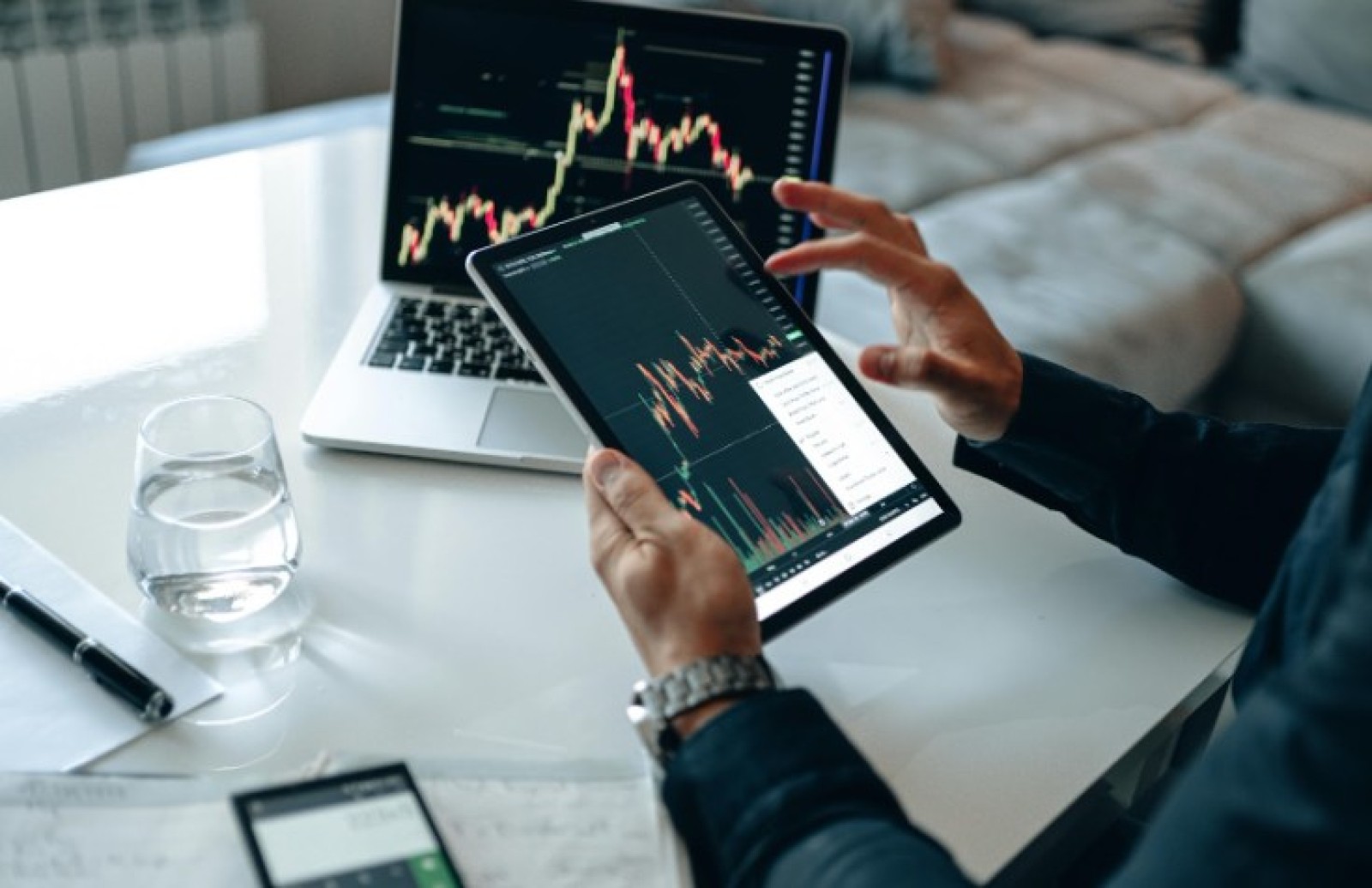
This tension between innovation and accountability is shaping a new era of online trading – one where AI is not just a tool for speed, but a test of transparency.
Global brokers, such as Octa (formerly OctaFX), have started integrating AI-driven tools to enhance analytics, optimise trade execution, and improve the client experience. These technologies can increase efficiency and responsiveness, but they also introduce new forms of risk. Incorrect parameters, rapid market fluctuations, or algorithmic misjudgements can magnify losses just as easily as they amplify gains.
In this evolving landscape, brokers play a crucial role in bridging the gap between technology and responsibility. Their task is not only to provide fast and reliable systems, but also to promote education and transparency, helping traders understand both the power and the pitfalls of automation.
From Smart Systems to Smart Supervision
Today, AI doesn’t only forecast price moves; it manages exposure, filters volatility, and detects irregularities faster than any manual system could. For brokers, this technology has become indispensable in preventing fraud and ensuring compliance with global standards like anti-money-laundering (AML) and know-your-customer (KYC) frameworks.
The challenge, however, lies in maintaining oversight. AI can simplify risk management, but also obscure responsibility when things go wrong. This is why leading platforms are focusing not only on technological capability but also on interpretability, showing traders how systems make decisions, not just the outcomes.
OctaFX broker represents one example of this balancing act. The company operates in a highly competitive market where transparency is increasingly a performance metric in itself. Public searches such as is OctaFX legit, is OctaFX safe or OctaFX news reflect this wider anxiety: traders no longer just compare spreads or platforms; they compare ethics, too.
Challenges of Perception: OctaFX News
In the digital age, perception spreads faster than regulation. A single report can ripple through social media, shaping sentiment long before facts are verified. This is evident in the way search queries like OctaFX scam or OctaFX banned occasionally trend online – often detached from official rulings or credible sources.
Much of what circulates under OctaFX news is a mix of platform updates, regional discussions, and user experiences. For traders, this fragmented flow of information highlights how essential clear, verifiable communication has become. When trust can be shaken by a rumour, brokers that maintain transparent operations and publish accessible educational resources stand out.
In that sense, Octa’s online visibility reflects a broader reality across the trading industry: reputation today is built not only on performance, but also on narrative clarity – ensuring transparency leaves little room for speculation to grow.
The Double Edge of Automation
Automation has democratised trading, allowing individuals with limited experience to access complex strategies. But this accessibility also magnifies emotional and financial risk. An algorithm doesn’t panic, but the human behind it might, especially when outcomes differ from expectations.
AI’s promise lies in consistency, yet its danger lies in abstraction. Without adequate education, traders can become detached from decision-making, relying on “black box” processes they barely understand.
Some brokers attempt to counter this by making AI explainable: showing, for instance, how data inputs shape forecasts or why a stop-loss was triggered. Octa and other international platforms have leaned on this educational approach – combining advanced tools with tutorials and risk guides. The goal is not to simplify trading, but to make complexity comprehensible.
AI as a Compliance Partner
Perhaps the most significant shift happening quietly behind the scenes is how AI assists not just traders but regulators. Automated transaction monitoring, pattern recognition for suspicious activity, and instant verification tools now help brokers comply with evolving global standards.
In this respect, AI acts as both a guardian and a potential liability. When properly implemented, it strengthens market integrity; when poorly supervised, it can amplify hidden risks. Brokers like OctaFX, which operate across multiple jurisdictions, must navigate this duality, ensuring consistency even where legal frameworks differ.
This reality also explains why discussions about whether OctaFX is banned in certain markets or not often hinge on local regulation rather than misconduct. International brokers adapt to national rules, but the perception of non-compliance can spread much faster than context.
Learning in an Algorithmic World
As AI-driven systems grow more sophisticated, traders are discovering that education matters more than ever. The most advanced platform is still only as effective as the person using it.
This is where financial literacy intersects with technology. Brokers that invest in training, open data resources, and risk-awareness campaigns contribute to a healthier market ecosystem. While Octa trading, for instance, offers a range of educational content, the larger point extends across the industry: informed users are less likely to fall for unrealistic claims, scams, or misleading online narratives.
For traders evaluating any platform, whether they’re reading OctaFX news or comparing brokers elsewhere, understanding regulation, withdrawal processes, and data protection policies should come before testing a new AI trading bot.
The Next Phase: Accountability by Design
The evolution of online trading now depends less on who has the best technology and more on who applies it most responsibly. AI will continue to drive efficiency, but credibility will come from clarity – how brokers explain their systems, disclose their limitations, and maintain transparency when automation fails.
In this environment, the recurring questions – is OctaFX legit, is OctaFX safe, is OctaFX banned – are not unique to one company. They symbolise a collective demand for proof over promises.
The future of online trading will be measured not by speed or scale, but by trust engineered into every algorithm. Technology can make markets faster; only transparency can make them fair.
 Editorial staff