Editorial staff

So you're thinking about renting your home? Congratulations, you're officially turning into a business owner. Whether you're moving cities, downsizing, upsizing, or just testing the landlord waters, renting your house can be a very smart financial move. If you rush in, it can also be a disaster. You don't need a law degree or nervous deal for this, but you just need some solid systems and a calm business first mindset in place.
As soon as you decide to rent your home, it becomes a business. The moment someone pays you rent, your home stops being just a home. That doesn't mean you stop caring about it, it means you stop making emotional decisions around it. This shift alone is going to save you from a lot of stress. You're not doing favors when you rent out your home, you're offering housing in exchange for money under clear terms. Treat it professionally from day one and tenants are always going to follow your lead.
Before you advertise your property, you need to decide how you want it to operate. How long will the lease be? Are pets allowed? Who handles lawn care? And what happens if the rent is late? Writing these rules down and sticking to them will help, because changing your mind halfway through a tenancy leads to confusion, resentment, and awkward conversations that no one enjoys. Clear rules in a rental agreement doesn't make you harsh, but it does make you predictable. And tenants like predictable landlords.

One of the things you're going to have to think about is paperwork. You have to get the paperwork. Right from the beginning, because a properly written rental agreement sets expectations, outlines responsibilities for both of you, and gives you something to lean on if things go sideways. This document doesn't just protect you, but it also protects the tenant because tenants do have rights. It may be your asset, but it's their home to live in while they're paying for it. The rental agreement explains rent terms, maintenance responsibilities and notice periods, and house rules. If it's not written down, it may as well not exist. Verbal agreements are great until memories get fuzzy on both ends.
You can use a professionally prepared template or legal advice relevant to your location, or you could even hand the whole thing over to a property manager to do for you. This is not somewhere that you should improvise. When you've got your rental agreement sorted, you need to screen your tenants like a pro, not a best friend. It's tempting to rent to someone you feel good about, but resist the urge to do that because feelings don't pay the rent. Proper screening means checking income, rental history and references. And you're not being nosy, you're just verifying that the tenant can afford the home and has a good track record of respecting other people's property. When you're consistent with every applicant first screening protects you legally and helps you to avoid uncomfortable decisions later on
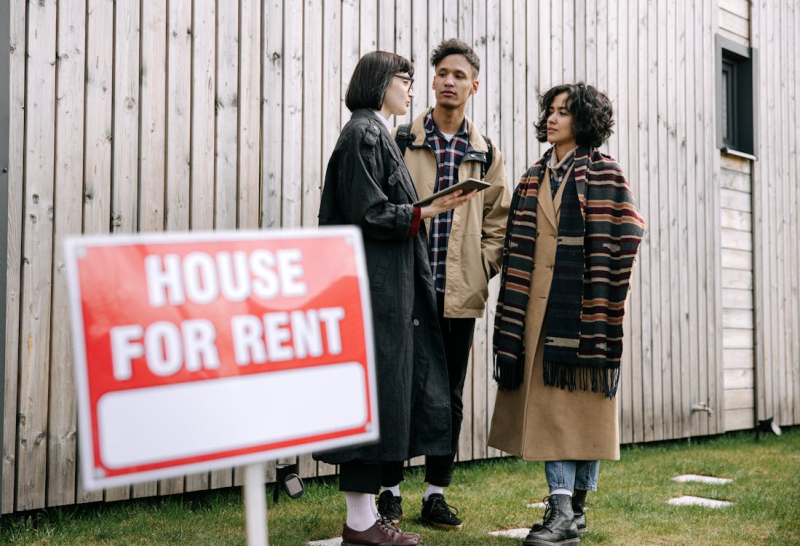
One thing that you very much need to consider here is also pricing the rent smartly. Overpricing leads to long vacancies and underpricing attracts problems. The sweet spot is market rent, competitive, fair, supported by data and it means that tenants know what to expect.You should look at similar properties in the area and be honest about your home's condition and features. Charging slightly under market rent can sometimes attract stronger longer term tenants, which saves you money in the long run. A good tenant is often worth more than a few extra dollars a month, so make sure that you're not overpricing your home because you want the money. You also have to think about the condition of your house before you start renting it out. First impressions matter. You need to prepare the property like a professional because a clean, well maintained home signals that you care and tenants tend to treat it accordingly. If your house is full of mold and you're trying to rent it out, you're going to be called a slumlord from day one.
Fix the obvious issues before anybody moves in, replace all the broken fixtures, service the major systems and make sure everything works as promised. You should also take photos that haven't been AI manipulated or photoshopped and document the condition of the property before you hand over the keys. Not only will this protect you if disputes arise, it also sets the tone for how your house should be treated. Tenants will always hand back a house looking good if you've started it off that way.
If you want to prevent most tenant issues, you need good communication. Tell your tenants how to report maintenance issues when the rent is due and how you prefer to be contacted. Put important communication in writing, even if you're on friendly terms, as this will avoid misunderstandings and remind everybody that this is a business arrangement. You can be polite and professional at the same time - one does not cancel out the other. As a good landlord, you also need to be able to respond to issues promptly when something breaks, fix it as soon as reasonably possible, and don't attempt to rent out your property if you don't have a fund for these maintenance requests.
Things won't always go smoothly with a rental. Tenants could move out unexpectedly, appliances will fail at the most inconvenient of times, and markets will shift. That's why we talked about having a small emergency fund for repairs and vacancies. Knowing you're financially prepared makes everything feel far less dramatic when surprises happen. Being ready doesn't mean you're expecting disaster, it just means not panicking if something goes wrong.
Safely renting out your house isn't about being strict or suspicious, it's just about being prepared and consistent. When you treat your home like an asset, your tenants like customers. Most of the fare will disappear.You gain confidence, control and a steady stream of income to go with it.
 Editorial staff