Alex Dudov
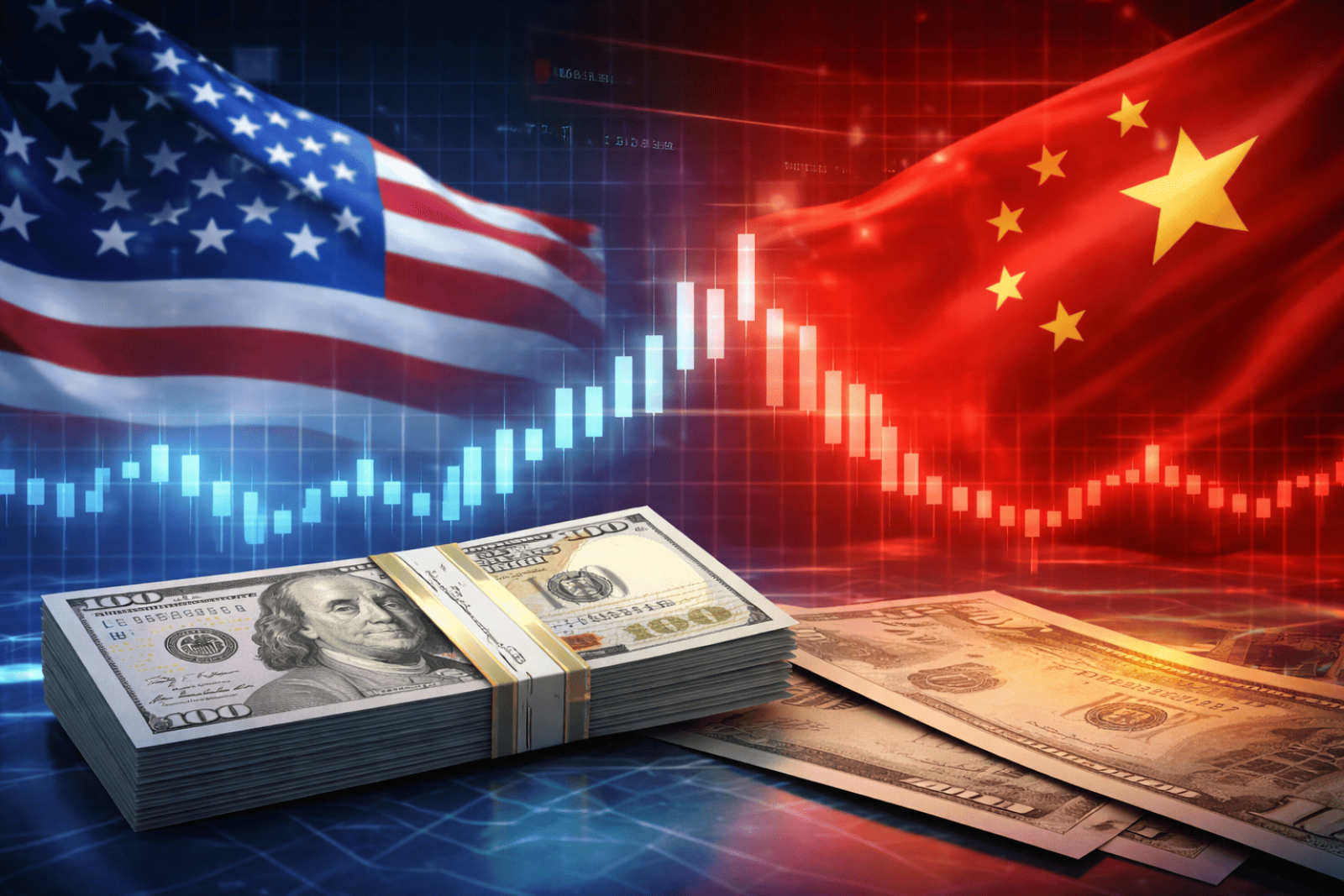
When one of the world's largest economies starts backing away from U.S. debt, markets take notice. China's recent decision to cut its Treasury exposure has sent ripples through financial circles, raising questions about what comes next for investors worldwide.
China has quietly instructed its major banks to dial back their U.S. Treasury positions. The numbers tell the story: China now holds roughly $683 billion in American government debt—the lowest level in years and a dramatic drop from the $1.3 trillion peak hit back in 2013.
Beijing's regulators apparently warned that keeping too much U.S. debt on the books could expose banks to serious market turbulence. It's a calculated move that signals shifting confidence in what was once considered the safest bet in global finance.
Why This Matters for Global Markets
U.S. Treasuries aren't just another asset class—they're the foundation of modern finance. They influence everything from mortgage rates to stock valuations, currency movements to commodity pricing. When a heavyweight buyer like China steps back, it changes the game.
"Exposure to U.S. debt may subject banks to sharp market swings," regulators reportedly cautioned, highlighting the growing unease around sovereign debt reliability.
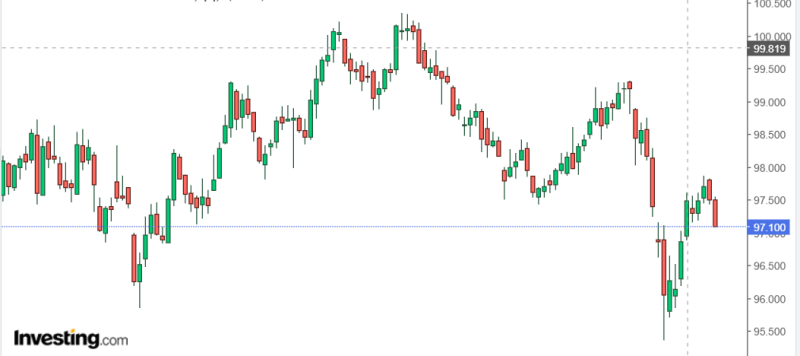
Market watchers are already seeing the potential fallout. Reduced demand from major buyers could trigger increased volatility across the board—equities might face pressure, the dollar could see sharper swings, liquidity conditions may tighten, and risk assets could become more unstable.
Previous analysis in China Cuts $683B Treasury Holdings: What It Means for USD noted similar concerns about ripple effects spreading through currency and bond markets. Related coverage in XRP News: Bullish Setup Signals Parabolic Advance and NVDA Price Target: NVIDIA Stock Soars to New Heights also touched on how declining foreign appetite for Treasuries impacts broader market conditions.
The Bigger Picture: Rethinking "Risk-Free" Assets
What makes this development particularly significant is what it says about the changing nature of safe-haven assets. For decades, U.S. government bonds were the ultimate shelter during market storms. If that reputation starts to crack, the entire global financial system could become more sensitive to geopolitical tensions and monetary policy shifts.
The question now isn't whether this will impact markets—it's how deep and how fast those impacts will spread. As China continues reducing its Treasury footprint, investors worldwide may need to rethink their assumptions about what truly counts as safe in today's markets.
 Alex Dudov