Marina Lyubimova
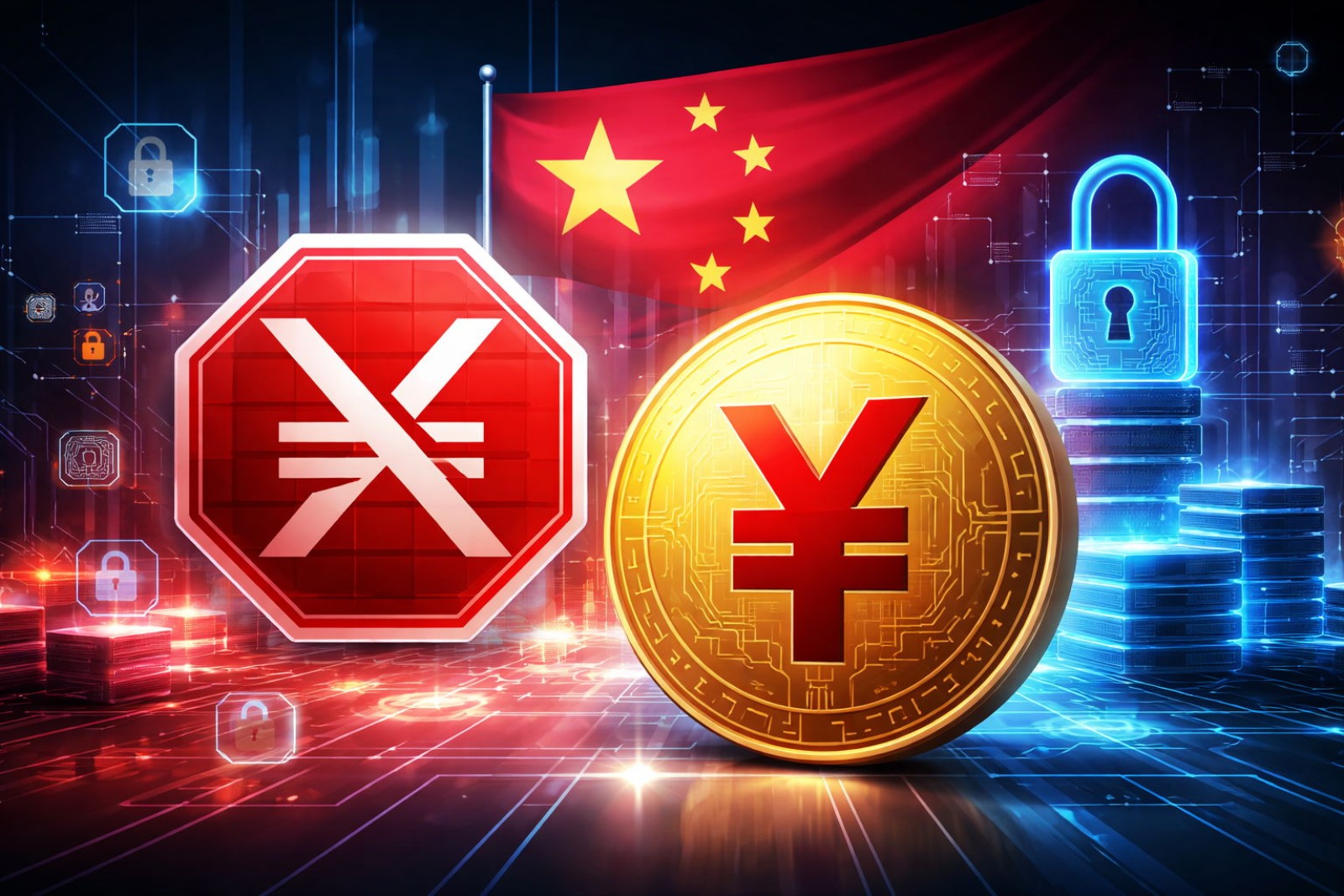
⬤ China just dropped fresh restrictions on digital assets that hit core parts of the crypto ecosystem hard. According to Max Crypto, authorities banned both domestic and foreign players from issuing yuan-pegged stablecoins and declared real world asset tokenization straight-up illegal. The crackdown specifically targets infrastructure that connects traditional finance to digital asset markets.
⬤ The new rules zero in on anything tied to China's national currency and blockchain versions of real-world assets. Yuan stablecoins serve as settlement tools inside crypto trading platforms, while tokenized assets let investors get blockchain exposure to traditional instruments like bonds or commodities. This isn't happening in isolation—Asia's been tightening crypto rules across the board lately, with similar regulatory pressure hitting digital asset activity throughout the region.
As one market analyst put it: Stablecoins are the lifeblood of crypto trading—when you cut off issuance, you're cutting off oxygen to the entire system.
⬤ Since stablecoins power most trading liquidity and work as collateral across DeFi platforms, blocking their issuance could seriously mess with how capital flows between exchanges and protocols. We've seen this movie before—government policy moves have shaken crypto trading activity and triggered volatility spikes in the past.
⬤ This announcement could reshape market infrastructure by choking off yuan-linked liquidity channels and tokenized collateral flows. When settlement options shrink, trading volume gets redistributed and volatility patterns can shift fast across the broader cryptocurrency market. Exchanges and DeFi platforms that relied on yuan stablecoin pairs or Chinese tokenized assets will need to pivot quickly or risk losing market share to competitors with cleaner regulatory profiles.
 Marina Lyubimova