Alex Dudov
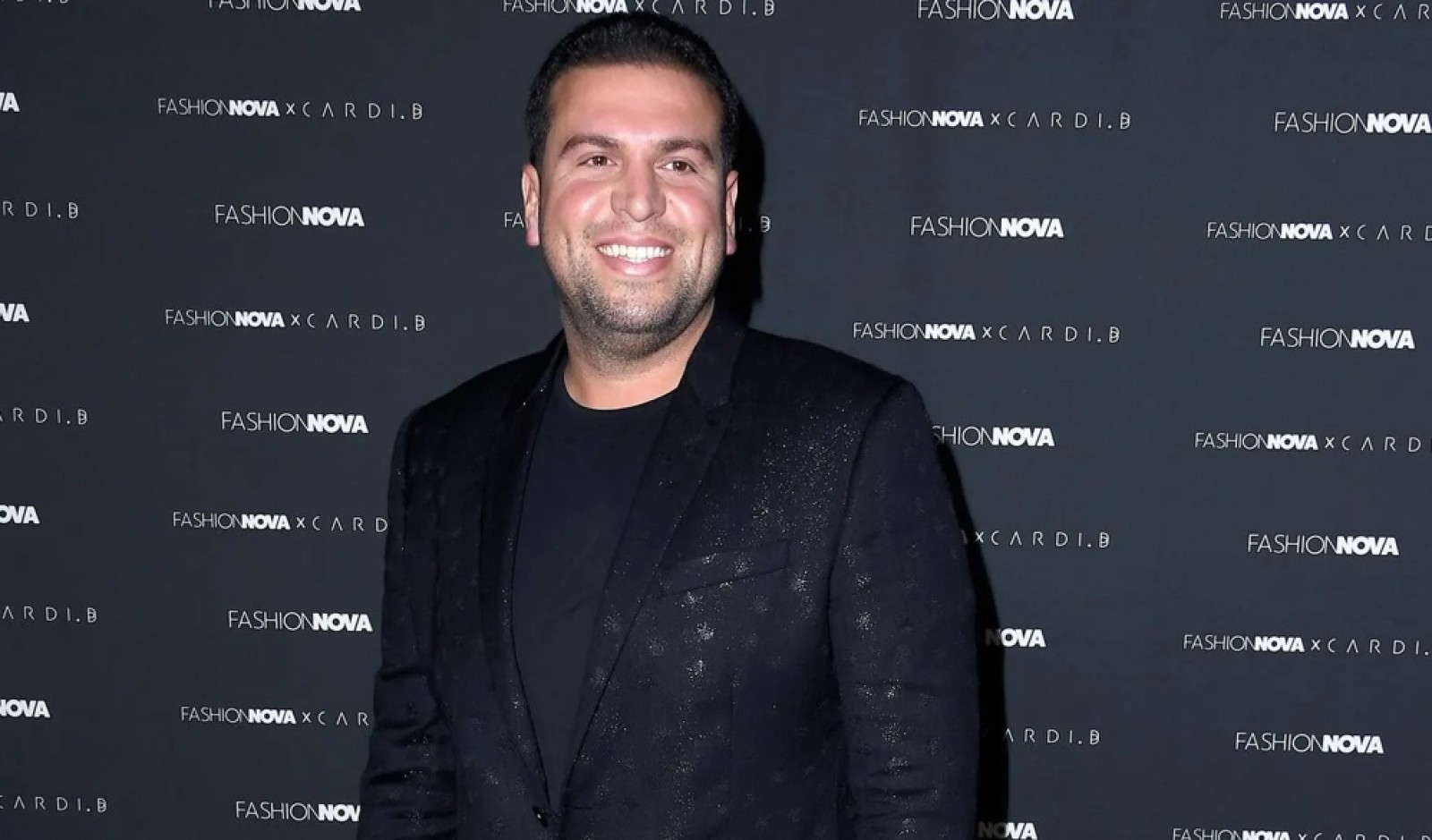
In the world of fast fashion, one name stands out for completely revolutionizing how clothing brands connect with customers—Richard Saghian, the mastermind behind Fashion Nova. While most people know Fashion Nova from their Instagram feeds or celebrity endorsements, few know the fascinating story of the Iranian-American entrepreneur who built this empire from scratch. Saghian didn't inherit wealth or start with venture capital backing. Instead, he began by working in his father's clothing store and turned those early lessons into a billion-dollar business that now rivals luxury fashion houses in online popularity. His journey from a nervous startup founder to a billionaire real estate collector offers valuable insights into modern entrepreneurship, social media marketing, and the power of understanding your customer.
Early Beginnings: From His Father's Store to First Entrepreneurial Steps

Richard Saghian's story starts in Los Angeles, where he grew up in a family of Iranian immigrants who had fled during the revolution. His father owned women's clothing boutiques around the city, and young Richard spent his summer breaks working in these stores. This wasn't just a part-time job—it was his first real education in retail, customer service, and the fashion business.
Working alongside his father, Saghian learned crucial lessons that most business school graduates never get. He saw firsthand what made customers return, how to manage inventory, and which styles flew off the racks versus those that gathered dust. These weren't theoretical concepts from textbooks; they were real-world lessons that would later shape his entire business philosophy.
In 2006, at just 24 years old, Saghian decided to strike out on his own. He founded Fashion Nova and opened his first location inside the Panorama Mall in Panorama City, a neighborhood in Los Angeles. The concept was simple but smart—sell trendy, inexpensive clubwear to young people who wanted to look good without spending a fortune. Most items were priced under $50, making fashion accessible to customers who couldn't afford luxury brands.
During these early years, Fashion Nova operated as a small chain of five brick-and-mortar stores scattered across Los Angeles-area malls. Saghian was hands-on with every aspect of the business, from selecting inventory to managing staff. While he hasn't publicly disclosed exactly how much money he made during this period, the business was sustainable enough to support expansion and lay the groundwork for what would become a revolutionary online empire.
Building the Business: The Game-Changing Move to E-Commerce
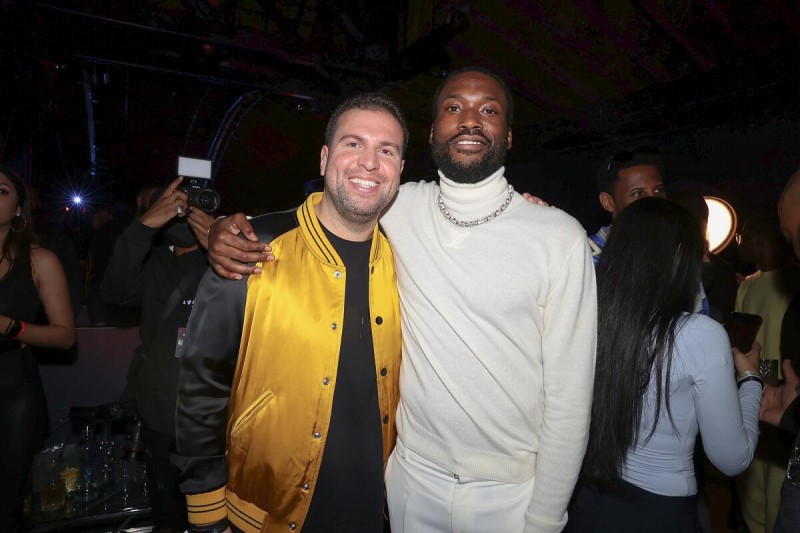
The real turning point came in 2013 when Saghian made the bold decision to launch Fashion Nova's e-commerce website. But this wasn't just another retailer going online—Saghian had a secret weapon that most traditional fashion brands completely overlooked: Instagram.
Before launching the website, Saghian had already built up 60,000 followers on his personal Instagram account. He understood something that seemed obvious in hindsight but was revolutionary at the time—social media was about to completely transform how people discover and buy fashion. While established brands were still focusing on magazine ads and traditional marketing, Saghian was building a digital community.
The launch almost didn't happen. Saghian was so nervous about failure that he delayed the website launch three times, always telling his team it wasn't quite ready. He was terrified that despite the growing Instagram following, nobody would actually buy anything once the site went live. Finally, after what he calls three "false starts," he pulled the trigger and launched the e-commerce store.
That first weekend exceeded his wildest expectations—the site completely sold out. Customers weren't just browsing; they were buying everything in sight. Saghian had completely underestimated the demand, and suddenly he faced a new problem: how to get enough inventory to meet the overwhelming customer appetite.
This challenge led to one of Fashion Nova's most innovative strategies—what Saghian calls "ultra-fast fashion." He partnered with over 1,000 manufacturers around Los Angeles who could turn designs into samples within 24 hours. From there, samples went to in-house models for photography within another 48 hours. The entire process from concept to customer delivery took less than two weeks, with most styles available online within days of being conceived.
This speed was unprecedented in the fashion industry. While competitors like Zara took weeks to bring new styles to market, Fashion Nova was doing it in days. The company began releasing 600 to 900 new styles every single week, giving customers constant variety and fresh options.
Within just 18 months of launching the e-commerce site, Fashion Nova reportedly generated over $400 million in sales. The growth was explosive, fueled by a simple but powerful flywheel: they sold clothes, customers posted photos wearing them on Instagram, Fashion Nova engaged with those posts and offered free clothes to influencers, which drove more sales, and the cycle repeated.
The Rise to the Top: Celebrity Partnerships and Viral Success
While the business was growing rapidly, Saghian knew he needed something more to truly break through. He wanted celebrity endorsements, but big-name stars weren't interested in partnering with a relatively unknown fast-fashion brand. So he took a different approach—he found celebrities before they became superstars.
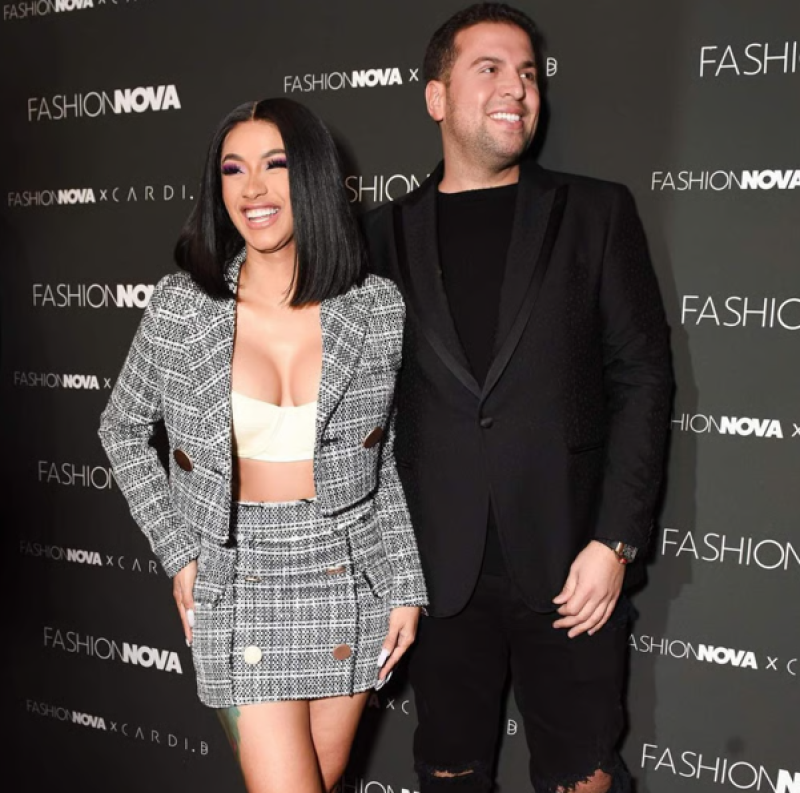
In 2014, Saghian discovered a rapper named Cardi B who wasn't yet a household name but had a style that perfectly matched Fashion Nova's aesthetic. He reached out, and she loved the clothes, beginning to post about them regularly on her social media. At first, it didn't move the needle much. Cardi B was popular in certain circles, but she wasn't yet a global phenomenon.
Then everything changed in 2017 when her song "Bodak Yellow" became a number one global hit. Suddenly, Cardi B was everywhere, and she was still wearing and promoting Fashion Nova. The partnership proved mutually beneficial—both Cardi B and Fashion Nova grew together. By the end of 2017, Fashion Nova's sales had exploded by 600% year-over-year.
The Cardi B collaboration became the template for Fashion Nova's celebrity strategy. In November 2018, they released an official clothing line with her, launching at a star-studded "Party with Cardi" event. The collection sold out almost immediately. When they released a second collection in May 2019, it generated $1 million in sales on the first day alone.
Other celebrities quickly jumped on board. The Kardashians, Kylie Jenner, Teyana Taylor, and dozens of other influencers began wearing and promoting Fashion Nova. The brand was no longer just a fast-fashion retailer—it had become a cultural phenomenon.
By July 2018, Fashion Nova achieved something remarkable: it became the most-mentioned fashion brand on Instagram, beating out luxury giants like Louis Vuitton, Gucci, Versace, and Chanel. A small startup from Los Angeles had outperformed the world's most established fashion houses in the digital space. This period from 2017 to 2019 represented Saghian's peak as an entrepreneur, cementing his status as a pioneer in social media-driven retail.
The brand maintained its momentum by constantly engaging with customers. Fashion Nova posts on Instagram every 30 minutes and actively comments and likes every single post where customers tag the brand. This level of engagement made customers feel seen and valued, turning them into passionate brand ambassadors.
Current Net Worth and Earnings

Today, Richard Saghian's net worth stands at approximately $2 billion, making him one of the wealthiest self-made entrepreneurs in the fashion industry. His wealth comes entirely from his 100% ownership of Fashion Nova, which remains privately held. This means every dollar of profit goes directly to him, with no investors or shareholders to split the earnings with.
Fashion Nova currently generates around $2 billion in annual sales, operating a massive e-commerce business alongside five physical retail locations. The company works with over 3,000 influencers who promote products to their combined hundreds of millions of followers, creating a continuous marketing machine that requires relatively little traditional advertising spend.
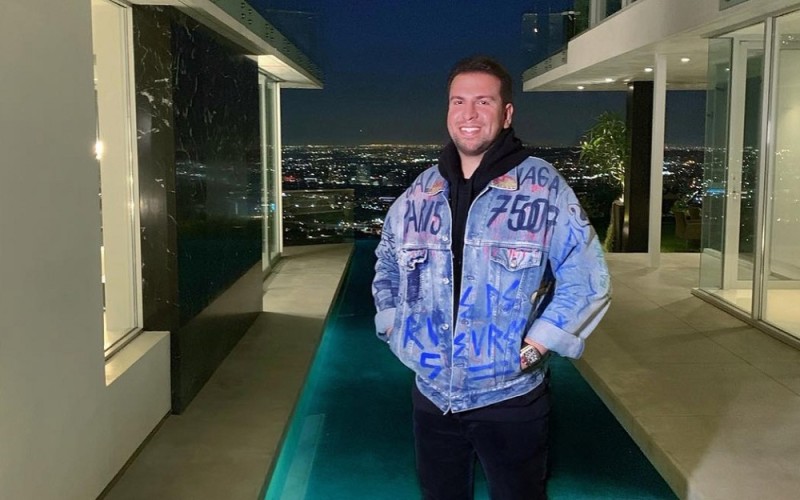
Saghian's success is reflected not just in his bank account but in his real estate portfolio. In 2022, he made headlines by purchasing "The One," a massive 105,000-square-foot mansion in Bel Air for $141 million. The property, which features 21 bedrooms, 42 bathrooms, a private theater, bowling alley, and multiple pools, is one of the largest private residences in the United States. The home was originally listed at $295 million and even floated a $500 million price tag at one point, but Saghian secured it at auction for a relative bargain.
His real estate collecting didn't stop there. In 2025, he bought a stunning Beverly Hills mansion for $32 million, featuring 6 bedrooms, 8 bathrooms, a movie theater, billiards lounge, hidden spa with barber station, wine tasting room, basketball and pickleball court, and breathtaking city and ocean views. The property originally hit the market at $44 million, but Saghian negotiated a $12 million discount.
He also owns a $40 million beach house on Malibu's exclusive "Billionaire's Beach," where neighbors include tech titans like Larry Ellison and entertainment moguls like David Geffen. Fashion Nova has even used this property as the "Fashion Nova Beach House" for product launches and influencer events.
Beyond personal wealth, Saghian has also invested in Fashion Nova's infrastructure. The company recently purchased a 175,000-square-foot building in Beverly Hills for $118 million in an all-cash transaction to serve as its global headquarters. The space will house over 500 Fashion Nova employees and include the Nova Social Club, an invitation-only social club, plus Nova Founders Lab, an incubator-accelerator for emerging talent. The building features studios for recording podcasts and videos, a gym, and a spa—all designed to create a collaborative space for influencers and creators.
Richard Saghian's Core Ideas for Building Success
Throughout his remarkable journey, Saghian has consistently applied several key principles that anyone aspiring to entrepreneurial success can learn from:
- Speed beats perfection. In fashion, timing is everything. Saghian built an entire business model around the idea that getting products to customers quickly matters more than waiting for everything to be perfect. While competitors spend months developing and testing new lines, Fashion Nova releases over 1,000 new styles every week. This constant flow of fresh inventory keeps customers coming back because there's always something new to discover. The lesson extends beyond fashion—in many industries, being first to market with a good product beats being late with a perfect one.
- Make your product accessible to everyone. Saghian learned from his father to focus on customer value rather than profit margins. Fashion Nova keeps 95% of products under $50, with most items like jeans and crop tops averaging under $35. This pricing strategy opened fashion to people who couldn't afford luxury brands but still wanted to look trendy and feel confident. The business still makes healthy profits through volume rather than high margins. When you prioritize giving customers great value, they become loyal advocates who spread the word organically.
- Understand what customers really need. Saghian recognized that his core customers—primarily young, diverse women aged 16 to 35—weren't just buying clothes; they were buying content for their social media feeds. They needed constant variety because wearing the same outfit twice in Instagram posts wasn't acceptable in their social circles. This insight led to the strategy of releasing hundreds of new styles weekly in multiple colorways. The deeper lesson here is that successful entrepreneurs look beyond the surface-level transaction to understand the underlying emotional and social needs driving purchases.
- Engage authentically with your community. Fashion Nova doesn't just post products and wait for sales. The brand actively responds to customer posts, comments genuinely on their content, and makes people feel seen and valued. This level of engagement transformed customers from passive buyers into active brand ambassadors. When someone tags Fashion Nova in their post, they know the brand will likely respond, creating a sense of connection that traditional advertising can't replicate. In today's digital world, authentic engagement builds stronger brand loyalty than any advertising campaign.
- Find partners who grow with you. Rather than chasing the biggest celebrities who might demand huge fees and offer little authenticity, Saghian found influencers whose personal style genuinely matched Fashion Nova's aesthetic. The partnership with Cardi B worked because she actually loved wearing the clothes before any official collaboration existed. When her career exploded, Fashion Nova benefited from that authentic association. The lesson is that strategic partnerships should be mutually beneficial relationships, not just transactional endorsements.
- Leverage social media as your primary marketing channel. Saghian was one of the first fashion entrepreneurs to truly understand Instagram's potential for driving sales. While traditional brands spent millions on magazine ads and billboards, Fashion Nova invested in building social media presence and working with influencers. The brand created a program with over 3,000 influencers who receive free clothing or payment in exchange for posts. This strategy proved far more effective and cost-efficient than traditional advertising, generating billions in sales with relatively modest marketing budgets.
- Stay adaptable and learn from mistakes. When investigations revealed that some of Fashion Nova's suppliers were running sweatshops and underpaying workers, Saghian didn't hide from the problem. The company implemented reforms, created a toll-free hotline for workers to report abuses, established a system of penalties for violations, and mandated random independent audits for all contractors. While the controversy was damaging, the response showed a willingness to adapt and improve. Successful entrepreneurs acknowledge problems and work to fix them rather than making excuses.
Richard Saghian's journey from working in his father's clothing store to becoming a billionaire CEO offers a masterclass in modern entrepreneurship. He recognized emerging trends before competitors, moved faster than established brands, built authentic relationships with customers and influencers, and created a business model perfectly suited to the Instagram age. His story proves that with the right insights, relentless execution, and genuine understanding of customer needs, it's possible to disrupt even the most established industries.
 Alex Dudov