Eseandre Mordi
- The Broke Years: When Michael J. Fox Earned His First Money
- Landing Family Ties: The First Big Break
- Back to the Future: When Michael J. Fox Net Worth Exploded
- The Diagnosis That Changed Everything
- Michael J. Fox Net Worth Today: How He Makes Money Now
- How Michael J. Fox Became Successful: Key Principles
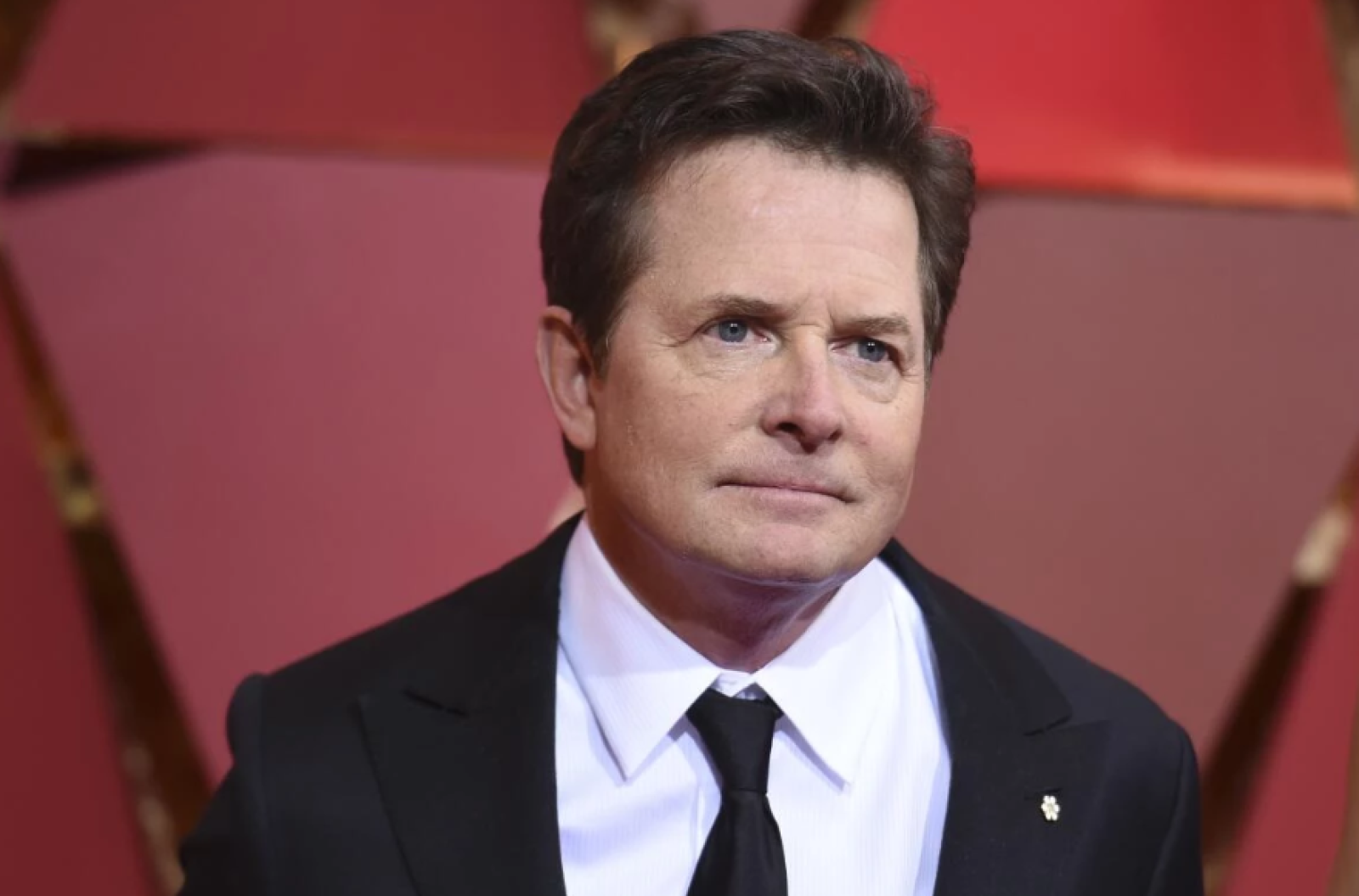
There are Hollywood success stories, and then there's Michael J. Fox. The guy went from literally scrounging for food in dumpsters to becoming one of the biggest names of the 1980s. His journey wasn't some overnight success fairy tale either. It took years of grinding, sleeping in a cramped studio apartment, and wondering if his next audition would finally be the one. Today, michael j fox net worth sits at around $65 million, but the road to get there was anything but smooth.
The Broke Years: When Michael J. Fox Earned His First Money
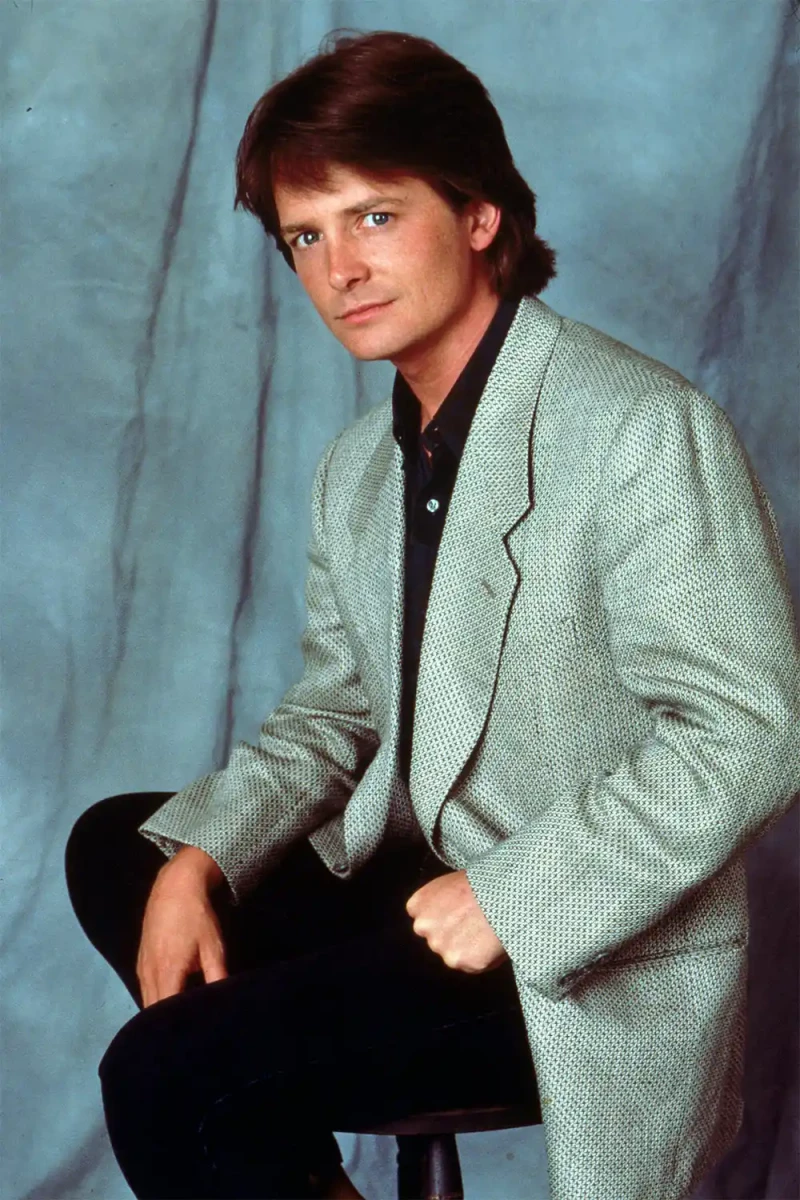
Michael Andrew Fox was born on June 9, 1961, in Edmonton, Alberta, Canada. His first taste of professional acting came at just 15 years old when he landed a role in the Canadian TV series "Leo and Me" back in 1976. The show didn't even air until 1981, but that gig gave him his first paycheck and a glimpse of what was possible.
At 18, Fox made what seemed like a crazy decision at the time. He dropped out of high school and headed to Los Angeles to become an actor. His parents probably thought he'd lost his mind, but Fox had this unshakeable belief in himself. He later admitted that even back then, he knew he was destined for success. The problem was, destiny was taking its sweet time showing up.
Those first few years in LA were brutal. Fox lived in a tiny studio apartment in what he called "the slums of Beverly Hills." He'd pick up small roles here and there, starting with a TV movie called "Letters from Frank" in 1979, then "Midnight Madness" in 1980. But after his agent took their cut, then the photographer, publicist, and lawyer all wanted their piece, there was barely anything left. Fox got so desperate he started selling off his furniture section by section. He was finding quarters and nickels in couch cushions, using spare change just to make it through another day. There were times he was actually dumpster diving for food because he couldn't afford groceries.
The breaking point came in early 1982. Fox was down to his last few dollars, dodging his landlord, and owed money to the IRS. He was literally days away from giving up and heading back to Canada to work construction with his brother, picking up nails on job sites. Then his agent called with one more audition.
Landing Family Ties: The First Big Break
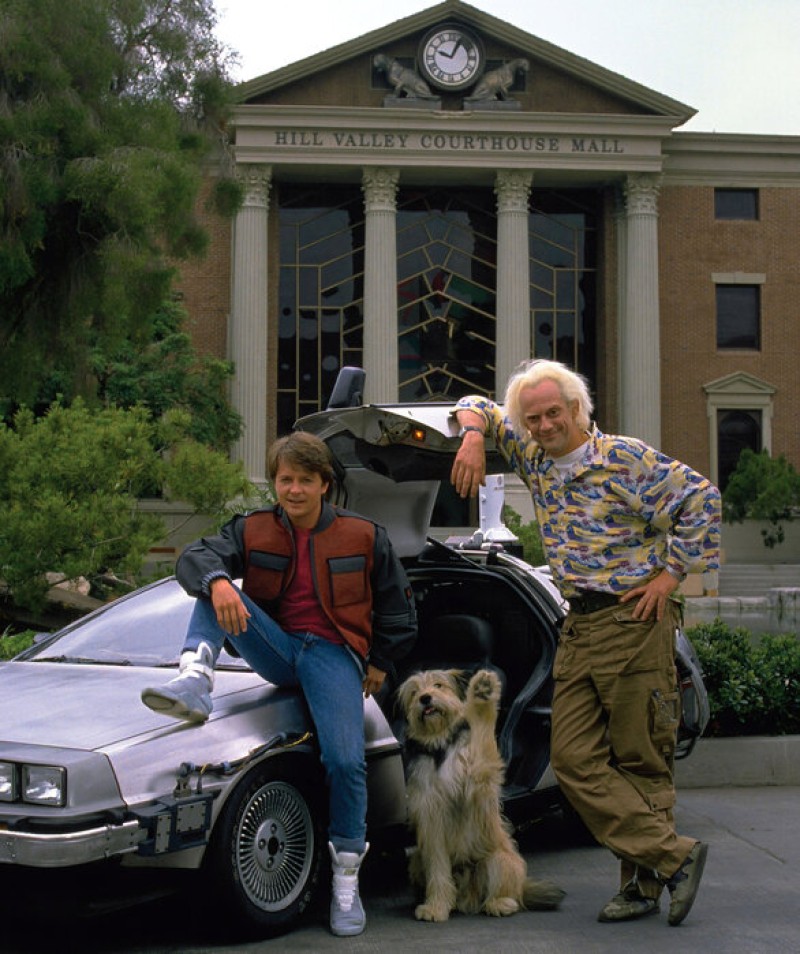
That audition was for a new NBC sitcom called "Family Ties." Fox negotiated the deal from a payphone outside a Pioneer Chicken restaurant because he didn't have a phone at home. He told them he'd only be available to take their call between 4 and 5 p.m. because that was the only time he'd be near a phone booth. Thankfully, he was there when they called.
Funny enough, Fox wasn't even the first choice. Matthew Broderick had turned down the role of Alex P. Keaton. One of the producers, Brandon Tartikoff, wasn't sold on Fox either. He thought Fox was too short compared to the actors playing his parents and famously said, "This is not the kind of face you'll ever find on a lunchbox." Fox remembered that line. Years later, after he became huge, he sent Tartikoff a custom lunchbox with his face on it and a note: "To Brandon: This is for you to put your crow in. Love and Kisses, Michael J."
When "Family Ties" premiered in 1982, the show was supposed to focus on the liberal hippie parents dealing with their conservative kids. But Fox's performance as Alex P. Keaton was so good that after just four episodes, the network made him the main character. The show became a massive hit, eventually pulling in one-third of all American households every week.
By age 21, Fox was making six figures per week. By 23, he owned a Ferrari. The transformation from broke kid to wealthy young star happened so fast it made his head spin. He'd gone from counting quarters to buying luxury cars. Fox won three Emmy Awards for playing Alex P. Keaton in 1986, 1987, and 1988, plus a Golden Globe in 1989 when the show ended its seven-season run.
Back to the Future: When Michael J. Fox Net Worth Exploded
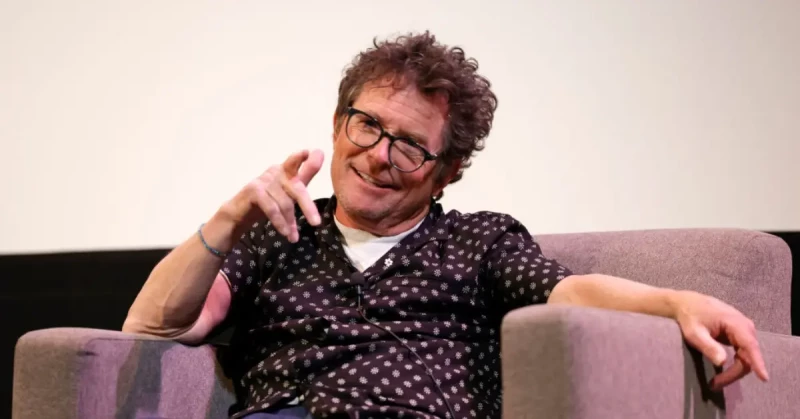
In January 1985, while still on "Family Ties," Fox got approached about a movie role. Director Robert Zemeckis wanted him for this time-travel comedy called "Back to the Future." The catch? They were already six weeks into filming with another actor, Eric Stoltz, who just wasn't working out. They needed Fox to replace him immediately.
The "Family Ties" creator, Gary David Goldberg, initially refused to let Fox do both projects. Eventually, they worked out a deal, but it meant Fox had to maintain an absolutely insane schedule. He'd rehearse for "Family Ties" from 10 in the morning until 6 at night, then race over to the "Back to the Future" set and work until 2:30 in the morning. He did this every single day for two months straight.
Fox later said he was used to being treated poorly as an actor, being called too short or not good enough. He was just happy to have the work and didn't think much about what kind of movie it would become. He was grinding through survival mode, one scene at a time.
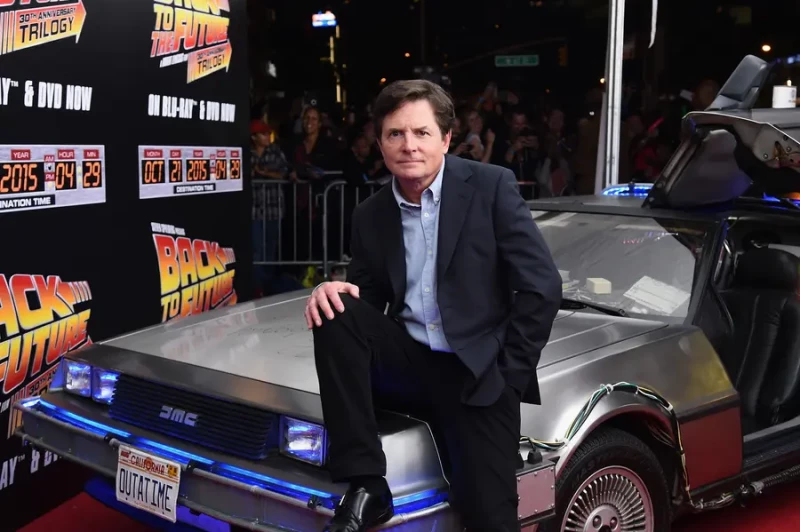
"Back to the Future" turned out to be way more than just another gig. The movie was a phenomenon. It made $381 million worldwide and stayed at number one at the box office for eight straight weekends in 1985. Fox became a legitimate movie star overnight. For that first film, he earned $500,000, which was about $1.4 million in today's money.
The success led to two sequels. For "Back to the Future Part II" and "Part III," which were filmed back-to-back from February 1989 to January 1990, Fox made $5 million for each film. Just from the trilogy alone, his earnings hit $11.4 million.
During this same period, Fox starred in other hits. He made $750,000 for "Teen Wolf" in 1985, $2 million for "The Secret of My Success" in 1987, and eventually $5 million for "Greedy" in 1994. These were peak earning years for Fox. The michael j fox net worth was climbing fast, and he was on top of the world.
The Diagnosis That Changed Everything
In 1991, while filming "Doc Hollywood," Fox noticed something weird. His left pinky finger started twitching. He tried to ignore it, but the tremor wouldn't go away. After seeing doctors, he got news that would change his life forever. At just 29 years old, Fox was diagnosed with young-onset Parkinson's disease.
For seven years, he kept it secret. He continued working, hiding his symptoms from co-stars, producers, and the public. He appeared in movies like "For Love or Money" and "The American President," all while dealing with a progressive disease that was slowly taking away his physical control.
In 1996, Fox returned to television with "Spin City," playing Deputy Mayor Mike Flaherty. He wasn't just the star but also an executive producer. The show was another hit, and Fox won an Emmy in 2000 plus three Golden Globe Awards in 1998, 1999, and 2000. But by the show's fourth season, the Parkinson's symptoms were getting harder to manage. In 1998, Fox went public with his diagnosis, and in 2000, he left "Spin City" to focus on his health and family.
Even after stepping back from live-action roles, Fox kept working through voice acting. He voiced Stuart Little in three films from 1999 to 2005 and Milo Thatch in Disney's "Atlantis: The Lost Empire" in 2001. He made guest appearances on shows like "The Good Wife" and "The Good Fight," playing a ruthless lawyer who happened to have Parkinson's, turning his real-life challenge into compelling television.
In 2020, Fox officially retired from acting as his symptoms progressed. He's been remarkably honest about the toll the disease has taken. He's had spinal surgery, broken bones from falls, and needs aides around him much of the time. But retirement from acting didn't mean retirement from public life.
Michael J. Fox Net Worth Today: How He Makes Money Now
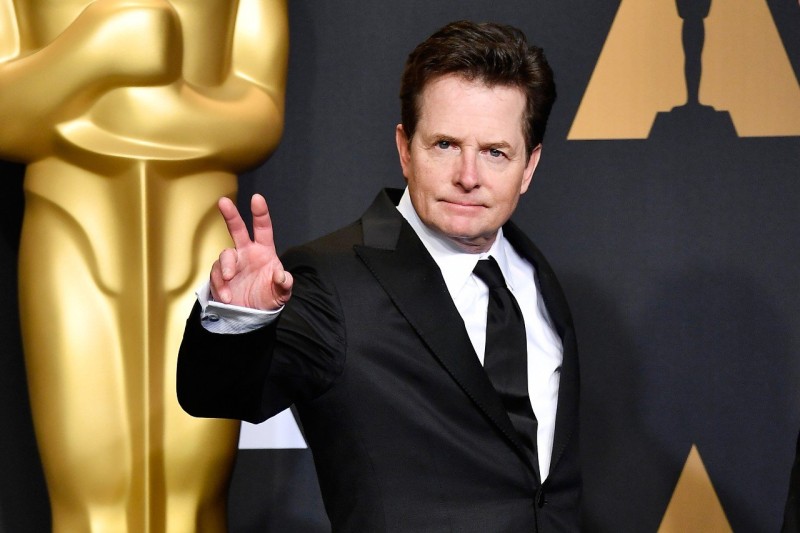
The current michael j fox net worth of $65 million comes from various sources built up over his career. Experts estimate Fox's total career earnings reached somewhere between $80 million and $100 million. The gap between what he earned and what he has now reflects decades of taxes, smart real estate investments, and substantial charitable donations.
Fox became an author and found massive success with his books. "Lucky Man: A Memoir" came out in 2002 and became a bestseller. He followed it up with "Always Looking Up: The Adventures of an Incurable Optimist" in 2009, which even won him a Grammy Award for Best Spoken Word Album in 2010. His other books include "A Funny Thing Happened on the Way to the Future" in 2010 and "No Time Like the Future: An Optimist Considers Mortality" in 2020. These memoirs added significantly to his wealth while giving him a platform to share his story.
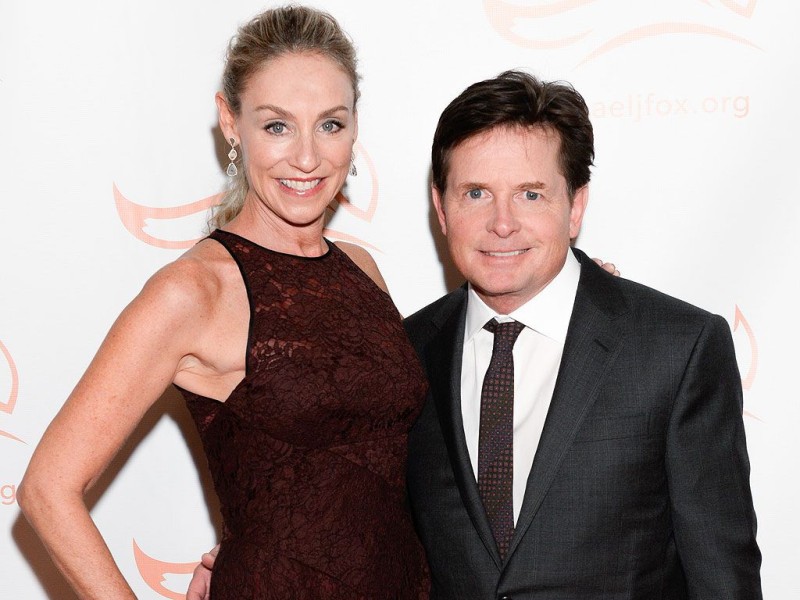
Real estate has been another major part of Fox's financial portfolio. He's bought and sold several properties over the years. Before marrying actress Tracy Pollan in 1988, he purchased a 121-acre estate in Vermont, which he eventually listed in 2012. In 1997, Fox bought an apartment on Fifth Avenue in Manhattan's Upper East Side, where his family lived until 2020. He and Tracy also built an 80-acre estate in Sharon, Connecticut, later listing it in 2016. These properties weren't just homes but investments that appreciated over time.
The Michael J. Fox Foundation, which he established in 2000, has become one of the largest nonprofits funding Parkinson's research. The foundation has raised over $300 million to date. While this is charitable work, it also keeps Fox in demand for speaking engagements and public appearances that come with fees. His advocacy work earned him the Presidential Medal of Freedom in 2025, recognizing both his entertainment career and his contributions to medical research.
In 2023, Fox released a documentary called "Still: A Michael J. Fox Movie" on Apple TV+, giving audiences an intimate look at his life with Parkinson's. These kinds of projects continue to generate income while keeping him connected to the entertainment world he loves.
How Michael J. Fox Became Successful: Key Principles
Fox's journey offers some real wisdom about building success, and he's been pretty generous about sharing what he's learned. One of his most famous pieces of advice came when he wrote a letter to his younger self. The key message? "Just one challenge at a time."
That simple phrase captures Fox's entire approach to life and career. He didn't try to conquer everything at once. When success started coming his way, he didn't let it overwhelm him. When Parkinson's hit, he didn't try to solve everything immediately. He focused on the next thing in front of him, then the next, building momentum through consistent progress rather than trying to move mountains all at once.
Fox believes strongly in self-confidence, even when you're at rock bottom. During those desperate years in LA, he was telling casting directors he could do anything if given a chance. Most people would've heard "no" a hundred times and given up. Fox kept showing up. He had this deep belief that he was destined for success, even when he was digging through dumpsters. That kind of confidence isn't arrogance. It's the fuel that keeps you going when everything looks hopeless.
Taking calculated risks was huge for Fox. Working on "Family Ties" and "Back to the Future" simultaneously was insane. Two months of barely sleeping, racing between sets, maintaining quality work on both projects. Most people would say that's impossible. Fox did it anyway. Sometimes the biggest opportunities require you to push past what seems reasonable.
Fox also learned to respect the work itself. After he quit drinking in 1992, he developed a whole new perspective on his success. His wife Tracy helped him see that he wasn't just lucky. He'd earned everything through talent, dedication, and hard work. Understanding that changed how he approached his career and his challenges.
Optimism in the face of adversity is probably Fox's most defining characteristic. When people ask him "Why me?" about getting Parkinson's, his response is always "Why not me?" He doesn't see himself as a victim of bad luck. He accepts what happened and focuses on what he can do about it. That attitude has allowed him to turn a devastating diagnosis into a platform for helping millions of others.
Fox is also big on continuous learning, though not necessarily through traditional paths. He dropped out of high school at 18, but he didn't stop learning. He eventually got his high school equivalency diploma in middle age and has received honorary degrees from universities. His message is that education comes in many forms, and success doesn't always follow a conventional path.
Finally, Fox believes in using success to create positive impact. Instead of just enjoying his wealth and fame, he built a foundation that's funding cutting-edge research and getting pharmaceutical companies more focused on finding treatments. He's testified before Congress, advocated for increased research budgets, and created tools like the Fox Trial Finder to connect patients with clinical trials. His attitude has always been that people are counting on him to do this right, not use it as some vanity project.
 Eseandre Mordi