Eseandre Mordi
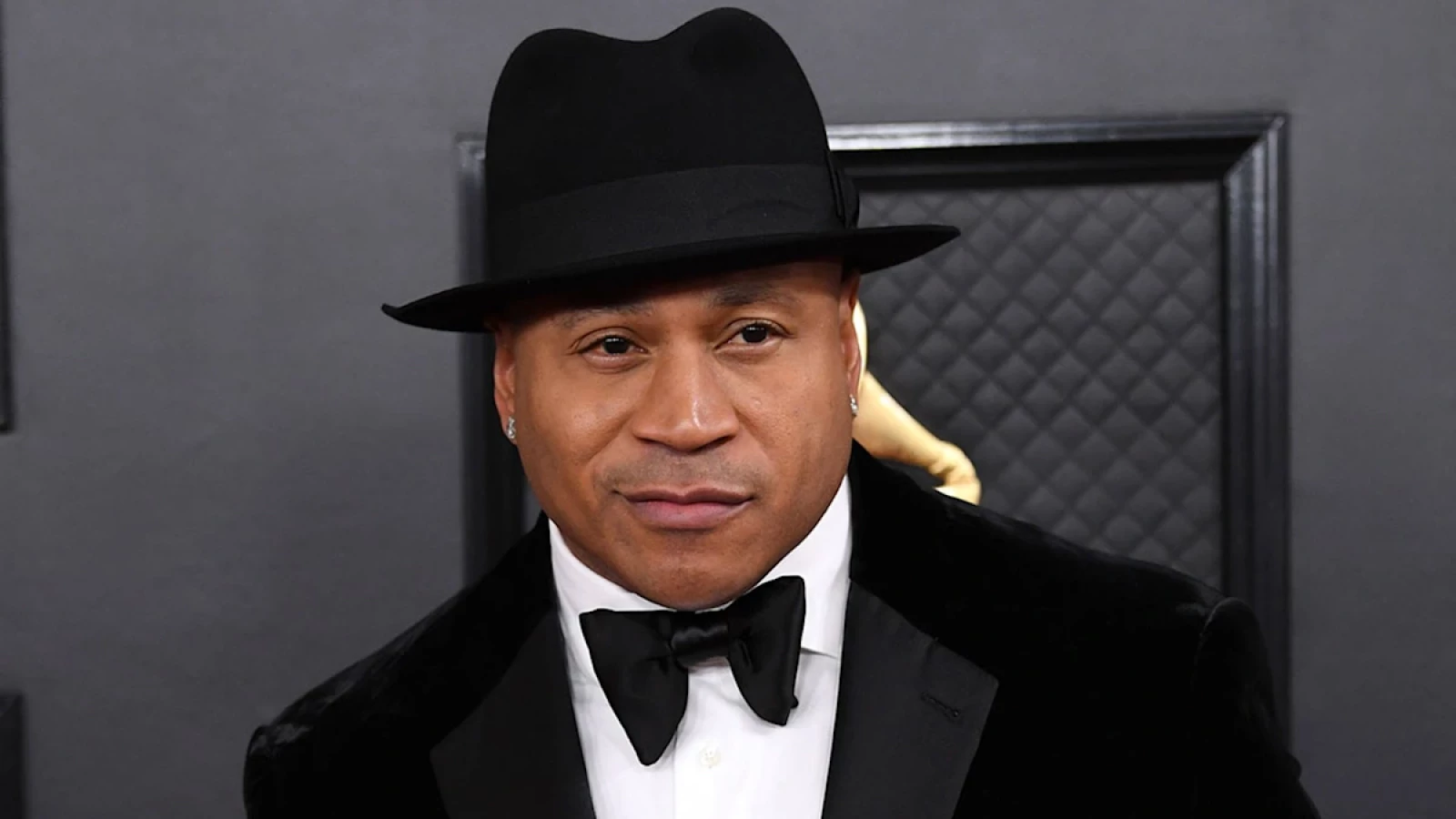
At 16 years old, James Todd Smith made a decision that changed everything. This kid from Queens had nothing but raw talent and some equipment his grandfather bought him. He started making demo tapes in his grandparents' basement and sending them out to record labels. Nobody imagined that this teenager would transform into LL Cool J, one of hip-hop's earliest superstars, eventually building a fortune worth $120 million.
Born January 14, 1968, in Bay Shore, New York, James had a rough childhood that could've destroyed him. When he was four, his father shot his mother and grandmother. They survived, but the trauma stuck with him. Things didn't get better when his mom's next boyfriend started beating him regularly. Most kids would've gone down a dark path after all that. But James found something that saved him—hip-hop music. Around his tenth birthday, he discovered he could channel all that pain into lyrics. At 11, his grandfather bought him a mixer, and that gift changed his life. He started writing and producing his own tracks, turning anger and hurt into something creative and powerful.
LL Cool J Net Worth: The First Big Break
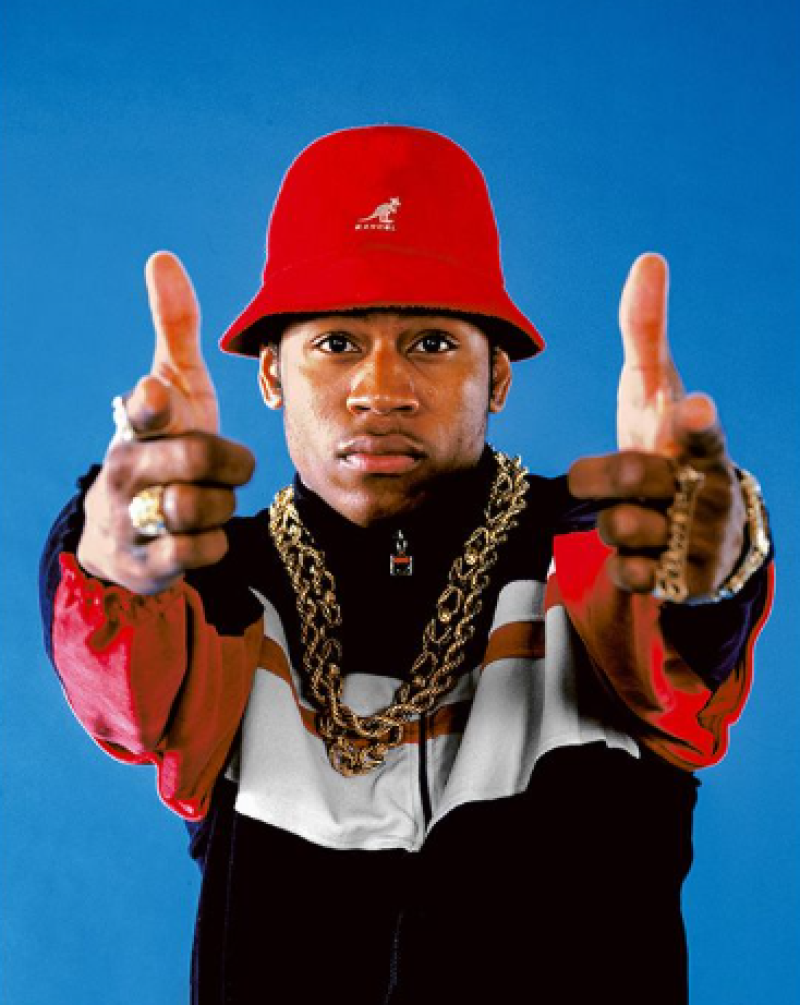
At 15, James and a close friend came up with his stage name: Ladies Love Cool James. They shortened it to LL Cool J, and it stuck. The next year changed everything. In 1984, at just 16, LL met Rick Rubin, some college student at NYU who actually got what he was doing. Rick heard his music and immediately wanted to help him get a record deal. They made a single together called "I Need a Beat" and sent it to Russell Simmons, this artist manager who was making moves in the industry. Simmons heard it and loved it. Right then and there, Rick and Russell decided to start their own label—Def Jam Recordings. LL's debut album "Radio" became the first full album they ever released, dropping in 1985.
Here's the crazy part—"Radio" absolutely blew up. It sold over 500,000 copies in just the first five months. By 1988, it had moved a million copies. The Recording Industry Association of America gave it platinum status by 1989. The album hit number 6 on the Top R&B/Hip-Hop Albums chart and made it to number 46 on the Billboard 200. Songs like "I Can't Live Without My Radio" and "Rock the Bells" became instant classics. That debut single "I Need a Beat" alone sold over 100,000 copies, which was massive for a brand new artist back then.
This was when LL Cool J started making real money for the first time in his life. Nobody really talks about exact numbers from those early days, but when you're going platinum in the mid-80s and you're basically the face of a new record label, you're earning serious cash from royalties. More than the money though, "Radio" launched a career that's lasted four decades and counting.
How LL Cool J Net Worth Exploded Through Music
LL didn't just sit back and enjoy his first success. He kept pushing. His second album "Bigger and Deffer" came out in 1987 and sold over 2 million copies just in the US. One song off that album, "I Need Love," became his first track to crack the top 20 of The Billboard Hot 100. That was huge because it meant he wasn't just a hip-hop artist anymore—he was crossing over into mainstream pop territory. By 1989, he dropped "Walking with a Panther" and kept the momentum going.
But 1990 was when things really peaked. "Mama Said Knock You Out" dropped and that title track earned him his first Grammy in 1992 for Best Rap Solo Performance. This album was actually a comeback story. Some critics had been saying he was done, that his time had passed. He proved them wrong in a big way. Then in 1997, he grabbed his second Grammy for "Hey Lover," that smooth collaboration with Boyz II Men.
Over his entire music career, LL Cool J put out 14 studio albums. A bunch of them went multi-platinum, and he's sold over 30 million records worldwide. His fifth album "14 Shots to the Dome" went Gold and moved 500,000 copies in the US. His twelfth album "Exit 13" hit number 9 on the Billboard 200—that was his last project with Def Jam for a while. After leaving the label, he eventually came back home and released "The FORCE" in 2024. Full circle moment right there.
LL Cool J's Acting Career and the NCIS Money
Music made him famous, but acting is what really pumped up the LL Cool J net worth to where it is today. His first time on screen was in "Krush Groove" back in 1985, which told the story of how Def Jam got started. His first proper film role came in 1991 with "The Hard Way," where he played an NYPD detective. Then he got to work with Robin Williams in "Toys" in 1992, and after that, the roles just kept getting bigger.
His film resume got pretty impressive. "Deep Blue Sea" in 1999 won him a Blockbuster Entertainment Award for Best Supporting Actor. He was in "Any Given Sunday," "Halloween H20," "In Too Deep," "S.W.A.T.," "Mindhunters," "Last Holiday"—the list goes on. He got to work alongside some serious Hollywood heavyweights like Whoopi Goldberg, Samuel L. Jackson, Jamie Lee Curtis, Al Pacino, and Dennis Quaid.
From 1995 to 1999, he starred in his own NBC sitcom "In the House," which showed TV audiences he could do comedy too. But the real game-changer was "NCIS: Los Angeles." He played Special Agent Sam Hanna for 14 seasons, from 2009 all the way to 2023. Here's where it gets interesting—word is he was pulling in about $350,000 per episode. Do the math on that over a season, and you're looking at around $8.4 million per year. Over 14 seasons? That's a massive chunk of his overall wealth right there.
He also hosted "Lip Sync Battle" and did the Grammy Awards multiple times between 2012 and 2016. His newest project, a docuseries called "Hip Hop Was Born Here," came out on Paramount+ in July 2025. The guy's still grinding.
Building Wealth Outside of Entertainment
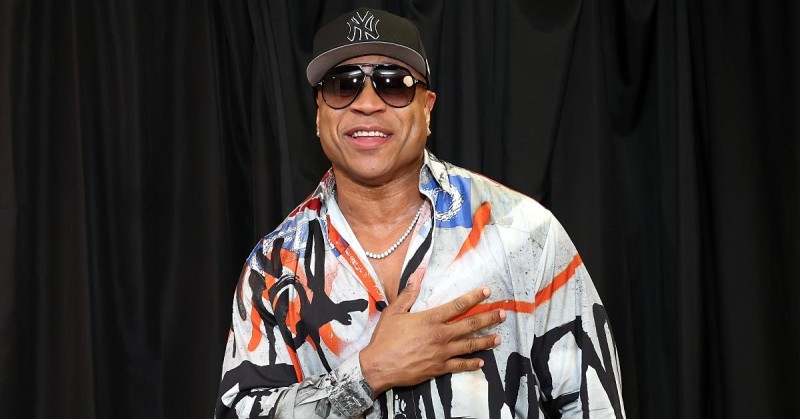
LL Cool J's always been smart about diversifying his money. In the 80s and 90s, he worked with TROOP, this hip-hop sportswear line. But the FUBU story is wild. He wasn't one of the founders, but he basically made them famous. In a 1997 GAP commercial, he casually mentioned "For Us By Us" and FUBU products started flying off the shelves. GAP's numbers with their target audience supposedly jumped 300% because of that move.
In 1996, he launched a clothing line through FUBU, and later started his own brand called "Todd Smith." This wasn't your basic streetwear—he put Swarovski crystals on stuff, used premium materials. In 2008, he made a deal with Sears to sell affordable clothing for families in 450 stores. People in the industry thought that collection could pull in $100 million for the retailer.
He founded Boomdizzle.com back in 2009, which was supposed to be a record label mixed with social networking. His hit song from 1986 inspired Rock the Bells, which turned into a SiriusXM channel in 2018. They play classic hip-hop, do interviews, the whole thing. He also helped start Boomdizzle Networks, a digital music platform worth millions.
In November 2017, he actually completed Harvard's Business of Entertainment Media & Sports program. At that point in his career, he could've just coasted, but he wanted to really understand the business side of things. He's also written four books: an autobiography called "I Make My Own Rules" in 1998, a kids' book, a fitness book called "The Platinum Workout" in 2006, and another one about hip-hop stars.
LL Cool J's Philosophy on Becoming Successful
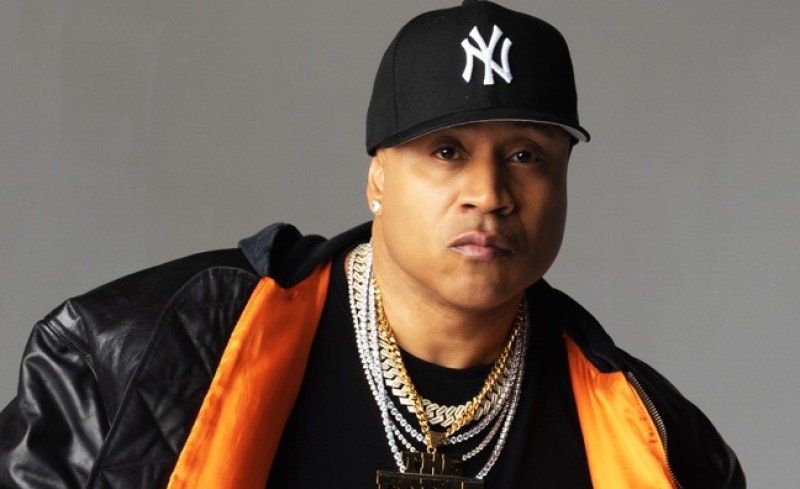
The money's impressive, but what's really interesting is how LL Cool J thinks about success. He's dropped some serious wisdom over the years about how he went from having nothing to building this empire. His approach comes down to a few key ideas that guided him from poverty to millions.
- Face Your Fears Head-On - He's got this quote that basically sums up his whole mindset: "I think when you move past your fear and you go after your dreams wholeheartedly, you become free. Know what I'm saying? Move past the fear." He's talked about how fear keeps people stuck in dead-end jobs or situations they hate. You might be comfortable, making decent money, but if you're not doing what you actually love, what's the point? His advice is simple—just go do it. Stop letting fear call the shots.
- Only Do What You Actually Love - This one sounds obvious, but LL says most people don't get it right away. "Do what you love; you'll be better at it." He points to people like Bill Gates, Kobe Bryant, Denzel Washington—they got to the top because they genuinely loved what they were doing. That love is what gets you through when things get rough and you want to quit. Without it, you're just grinding away at something that doesn't matter to you.
- Keep Your Eyes on the Prize - He's constantly saying stuff like "Stay focused, go after your dreams and keep moving toward your goals." One of his favorite sayings is "Dreams don't have deadlines." He thinks it's never too late to go after what you want. He tells people to think more like kids—kids don't understand the concept of "I can't" when they're dreaming. They just imagine stuff freely without all the baggage adults carry around.
- Always Be Ready - LL believes in preparation. He says "It's better to be prepared for an opportunity and not have one than to have an opportunity and not be prepared." That's why he went back to school at Harvard even though he was already successful. He wanted to be ready for whatever came next, always improving his skills and knowledge.
- Stay Strong When Things Go Bad - When life hits you hard, that's when your true character shows. He says "When adversity strikes, that's when you have to be the most calm. Take a step back, stay strong, stay grounded and press on." Coming from a guy who survived childhood trauma and career setbacks, that advice hits different. He's lived through some dark stuff and came out the other side stronger.
- Keep Your Word to Yourself - He emphasizes trusting yourself: "Do it even when you don't feel like it. You need endurance to get through life. When you say you're going to do something and don't do it, you'll feel like you can't trust yourself. How about being able to trust the man in the mirror?" If you can't trust yourself to follow through, how can you expect success?
- Success Isn't Just Money - For LL, real success means something deeper: "Success is just being content with being yourself and making a positive impact on those around you." He believes you've got to accept yourself—strengths, weaknesses, everything—and then use that to help other people. True success isn't measured by your bank account but by how you transform yourself and lift up others around you.
Where LL Cool J Stands Today
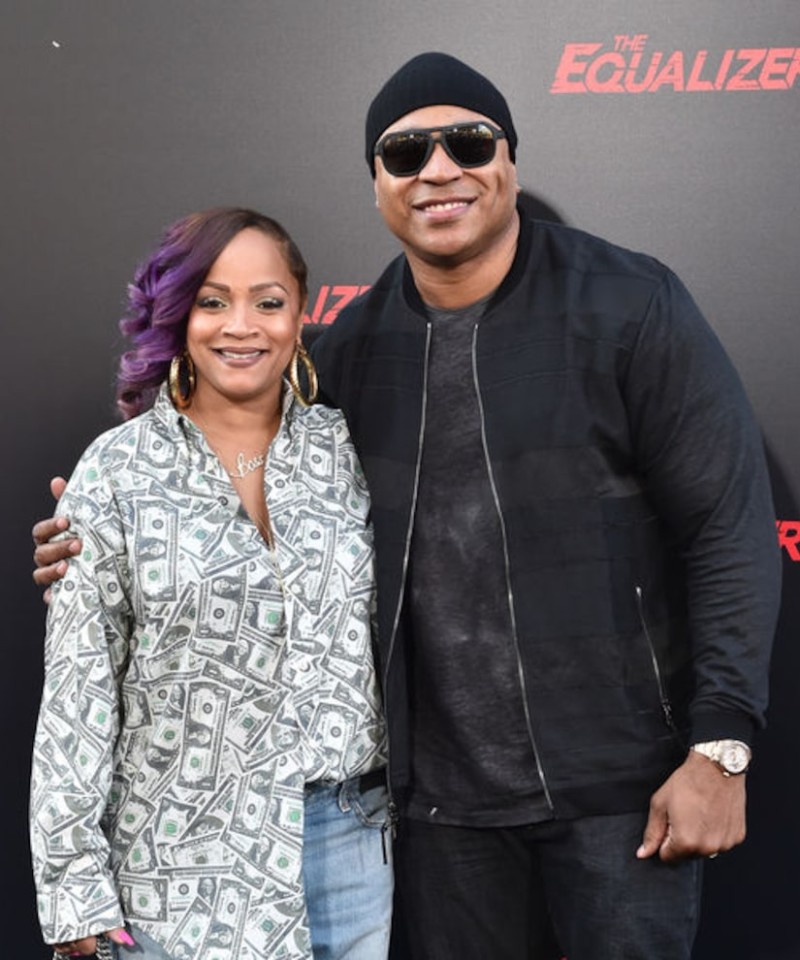
Right now, the LL Cool J net worth sits at about $120 million, putting him in the top 20 wealthiest rappers on the planet. Yeah, he's not at Jay-Z level with his $2.5 billion, or Dr. Dre with $500 million, or Kanye at $350 million, or Drake at $300 million. But for someone who started with absolutely nothing—just talent and determination—$120 million is pretty damn impressive.
His money keeps coming in from different places. Those 14 studio albums still generate royalties. Even though "NCIS: Los Angeles" wrapped up in 2023, he's still collecting checks from past contracts and residuals. His business ventures like the Rock the Bells radio channel and various endorsement deals keep money flowing in. Plus, he owns property all over the US, so real estate's part of his portfolio too.
At 57, LL Cool J isn't slowing down one bit. His 2024 album "The FORCE" marked his return to Def Jam after being away for 16 years. His new docuseries on Paramount+ keeps him relevant to younger audiences who might not remember his early music. The accolades keep stacking up too—he got inducted into the Rock and Roll Hall of Fame in 2021, and became the first rapper ever to receive Kennedy Center Honors back in 2017.
Think about his journey for a second. Traumatized kid who could've easily ended up another sad statistic. Instead, he found music, used it to escape his situation, and built himself into a multi-millionaire icon who literally changed hip-hop and television. His story proves that success doesn't come from one lucky break. It comes from decades of showing up, being excellent at what you do across multiple fields, staying true to who you are while constantly evolving and learning new things. That's the real lesson in the LL Cool J net worth story—it's not just about the money, it's about the persistence and the journey.
 Eseandre Mordi