Alex Dudov

John Stankey has been running AT&T since 2020, and honestly, his story is pretty wild when you think about it. This guy started at a regional phone company right out of college and never left the telecom world. Now he's sitting at the top of a company with over 200 million customers worldwide, making decisions that affect how millions of Americans stay connected every single day.
Early Career: First Paycheck at Pacific Bell
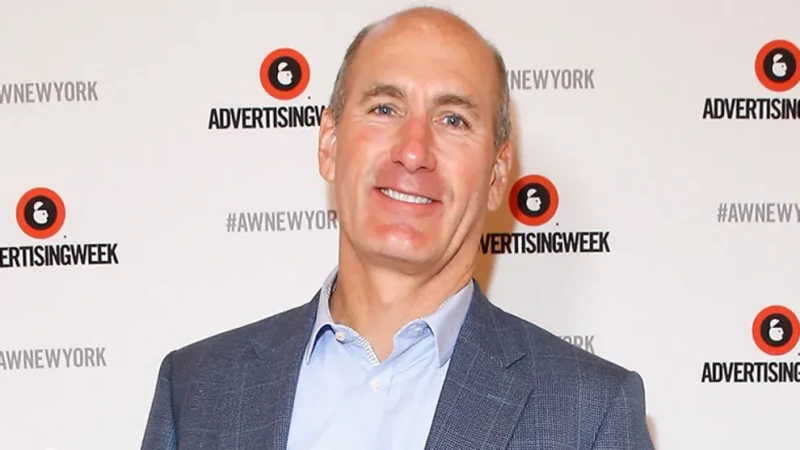
So Stankey graduated from Loyola Marymount University back in 1985 with a finance degree and landed his first real job at Pacific Bell. We're talking entry-level finance stuff here, probably pulling in somewhere between 25 and 35 grand a year, which was decent money back then but nothing crazy. He was basically a numbers guy learning the ropes at a regional telephone company.
But here's the thing—Stankey didn't just punch the clock and go home. He got obsessed with understanding how the whole telecom business actually worked, not just the spreadsheets. This was the mid-80s when everything was shifting from old-school analog phones to digital tech, so there was a ton to learn. Pacific Bell eventually got swallowed up by bigger fish and became part of AT&T, but Stankey stuck around through all the chaos and mergers.
Career Trajectory: Climbing the AT&T Ladder
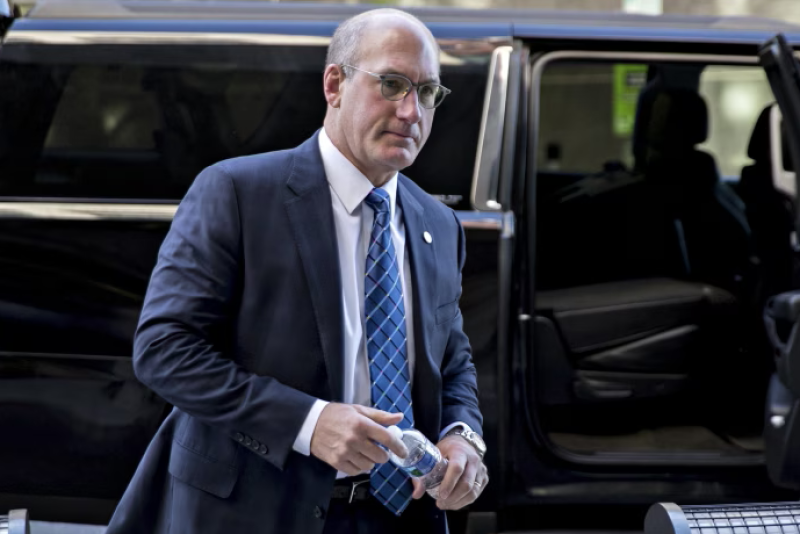
The guy's career is basically a textbook example of playing the long game. Through the 90s and early 2000s, he kept moving up as companies merged and restructured. By the time he hit senior management roles in the 2000s, he was probably making somewhere in the 200 to 400 thousand range, handling bigger responsibilities with every promotion.
His real breakout moment came in 2012 when AT&T made him Chief Strategy Officer. That's when the serious money started rolling in—we're talking a couple million a year with bonuses and stock options. And this is where Stankey really proved himself. He was the brain behind some absolutely massive deals, like when AT&T dropped 49 billion dollars on DirecTV in 2015, and then the even crazier 85 billion dollar acquisition of Time Warner in 2018. Those deals didn't all work out perfectly, but they showed everyone that Stankey could think big and handle high-stakes negotiations. By the time he was running WarnerMedia from 2018 to 2020, he was pulling in around 20 to 25 million annually.
Peak Success: The CEO of AT&T Takes Command
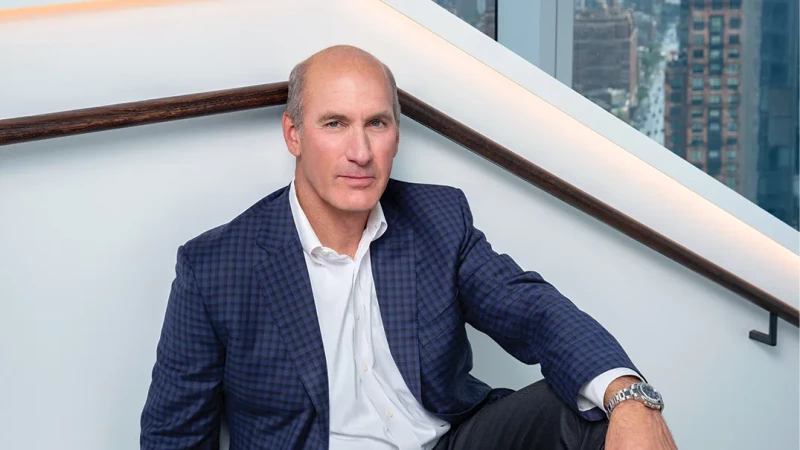
July 2020 was when Stankey finally hit the top—CEO of AT&T. We're talking about one of the absolute giants of American business here, with revenues over 120 billion dollars and more than 160,000 people on the payroll. His first year as CEO of AT&T, he made about 21 million in total compensation, and by 2022 that number climbed closer to 25 million.
But being the CEO of AT&T wasn't just about collecting a fat paycheck. Stankey inherited some serious problems, mainly a debt pile that had ballooned past 180 billion dollars thanks to all those acquisitions. His big move? He basically admitted that the whole media empire strategy was a mistake and spun off WarnerMedia to Discovery in a 43 billion dollar deal. That took guts because he'd been one of the guys pushing for that acquisition in the first place. Now he's laser-focused on getting AT&T back to basics—telecom, 5G networks, and trying to dig out from under that mountain of debt.
Current Wealth and Earnings

Nobody knows exactly how much Stankey's worth because he's not required to disclose everything, but smart money says he's sitting on somewhere between 50 and 70 million dollars. That's accumulated from decades of stock awards, bonuses, and salary. Right now as CEO of AT&T, he's still making that 20 to 25 million a year, which breaks down to about 1.5 million in base salary, another 7 or 8 million in performance bonuses if he hits his targets, and a bunch of stock that vests over time.
The stock situation is interesting because AT&T's shares have been kind of a rollercoaster under his watch. The company's dealing with brutal competition, angry regulators, and that debt situation we talked about. But Stankey's managed to keep the dividend payments steady, which AT&T investors care about more than almost anything else. His actual take-home pay swings based on whether he hits metrics like subscriber growth, revenue targets, and free cash flow, so he's got real skin in the game.
John Stankey's Success Principles

Stankey's pretty open about what's worked for him over the years, and honestly, some of it's refreshing because it's not the usual corporate BS. First off, he's huge on staying curious and never getting comfortable. The guy's been with essentially the same company for 38 years, but he didn't just coast—he kept pushing himself into new roles and learning new things as technology evolved.
He's also really big on mixing hard data with gut instinct. Stankey's known for diving deep into the numbers and really understanding the financial models, but he's not afraid to make a bold call when his gut tells him the spreadsheets aren't showing the full picture. The whole WarnerMedia spinoff is a perfect example—the data could've supported holding onto it, but he trusted his instinct that AT&T needed to get back to what it does best.
Another thing he hammers on is that relationships matter more than people think. Even though he came up through finance and strategy, Stankey gets that telecom is ultimately about people—both customers and employees. He does regular town halls with AT&T workers and actually seems to care about keeping good people around, which isn't always a given with CEO types.
Finally, he's all about taking smart risks and owning the results. His career involved championing some huge bets that didn't all pan out exactly as planned, but instead of making excuses, he adjusts and moves forward. He tells younger executives that you're going to fail sometimes in a long career—what separates the winners from the losers is how fast you learn from it and what you do next. That mindset of accountability and adaptation is probably what's kept him in power through multiple regime changes and corporate upheavals.
 Alex Dudov