Peter Smith
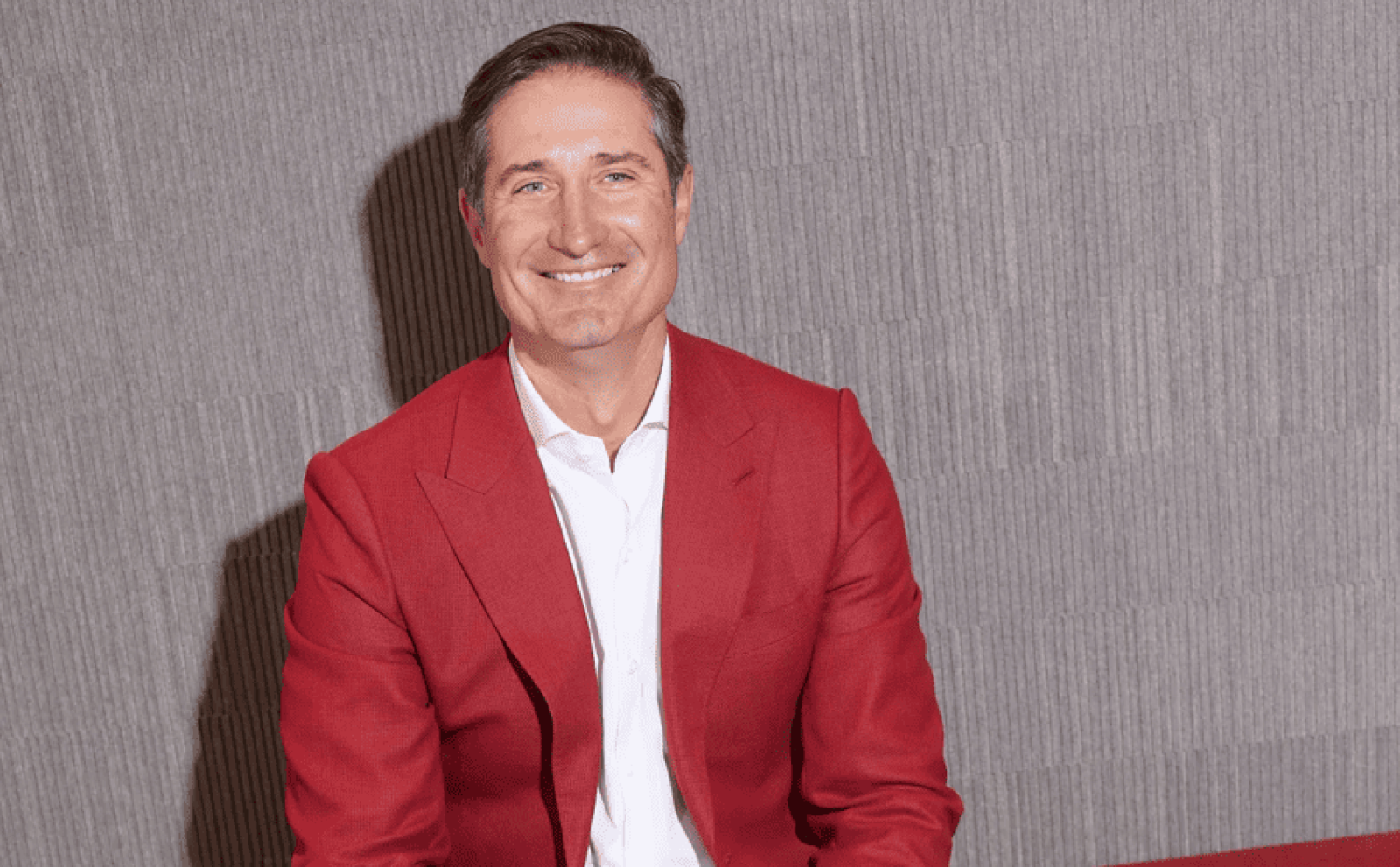
When Starbucks needed someone to rescue their struggling coffee empire, they didn't mess around. They poached Brian Niccol from Chipotle and handed him one of the most generous pay packages in corporate history. But here's the thing—this guy didn't start at the top. His journey from flipping burgers as a teenager to running a global coffee giant is actually pretty wild, and it's packed with lessons about patience, timing, and knowing when to take big swings.
The CEO of Starbucks: Early Days and First Paycheck
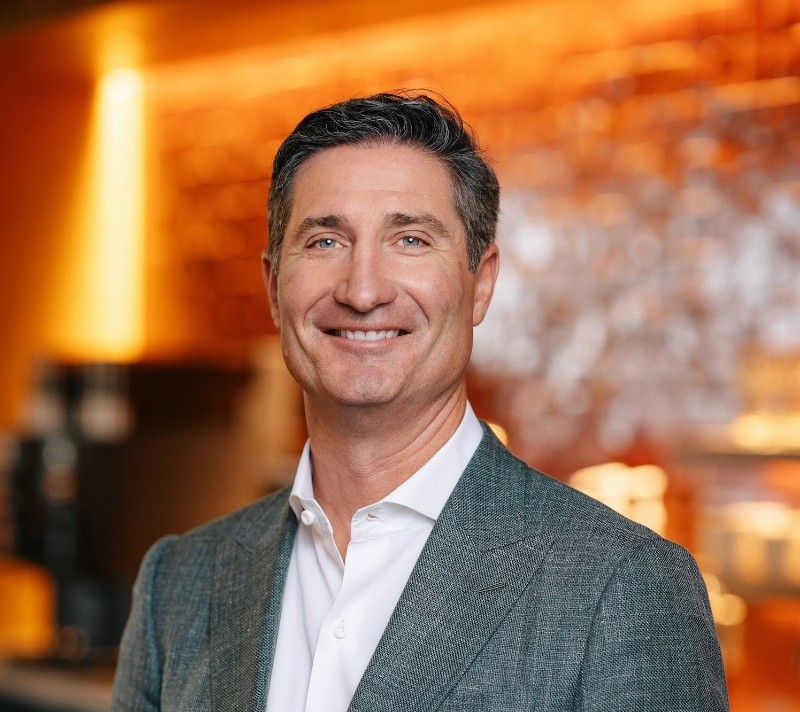
Brian Niccol's story starts in Southern California, where he worked his first real job at a fast-food place during high school. Nothing fancy—just minimum wage, greasy uniforms, and learning how to deal with hangry customers. After college at Miami University in Ohio, he landed at Procter & Gamble in 1996 as a brand manager, making around forty-five grand a year. Not bad for the mid-90s, but definitely not executive money.
Those early years were all about grinding it out and figuring out what makes people actually buy stuff. He wasn't in the spotlight, just doing the unsexy work of understanding consumer behavior and building brands from the inside. Looking back, though, that's exactly where he learned the fundamentals that would later make him millions.
Building the Resume: From P&G to Pizza Hut and Taco Bell
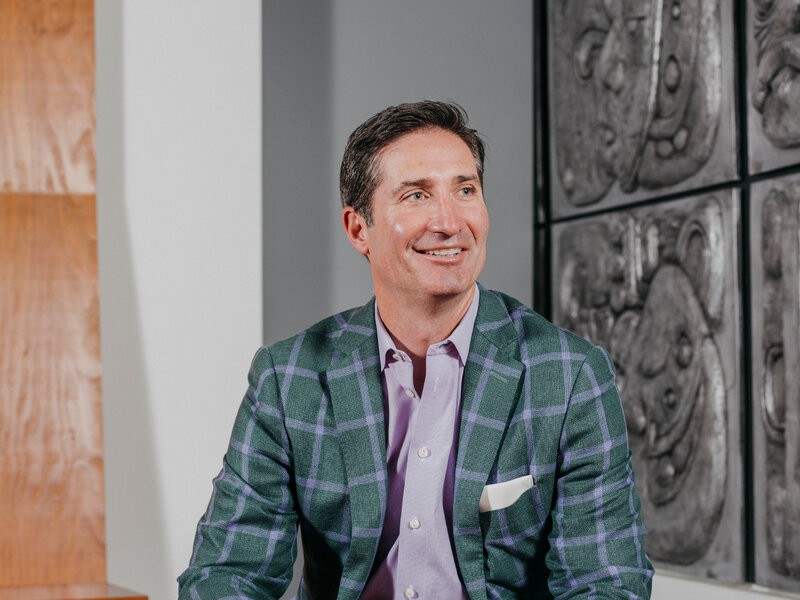
In 2005, Niccol jumped ship to Yum! Brands, where he worked on marketing for Pizza Hut before moving over to Taco Bell. That's where things really started heating up. By 2015, he'd climbed all the way to CEO of Taco Bell, and suddenly his compensation was hitting six to eight million dollars a year when you factored in bonuses and stock.
What made him stand out was his willingness to try stuff that seemed crazy at first. Mobile ordering before everyone was doing it. Partnering with delivery apps when that was still new. Creating menu items specifically designed to go viral on social media. The results spoke for themselves—sales went through the roof, and suddenly everyone in the industry was watching what this guy would do next.
The Chipotle Turnaround: Hitting Peak Success
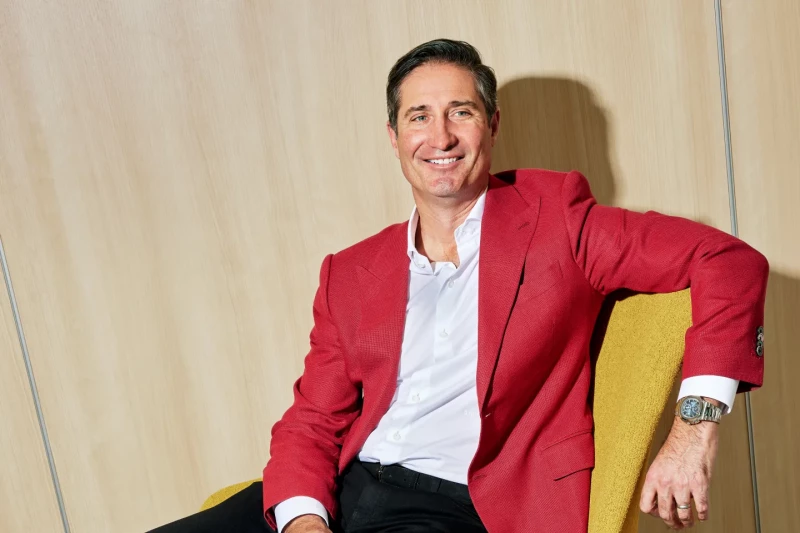
When Chipotle came calling in 2018, the company was basically on fire—and not in a good way. Food safety scandals had destroyed customer trust, and people were genuinely scared to eat there. Niccol walked into that mess with a thirty-three million dollar compensation package and got to work. By 2023, he was pulling in around twenty-two million annually, but more importantly, the company's stock had tripled.
He completely reimagined how Chipotle operated. Digital ordering became seamless. They built these drive-thru lanes specifically for online orders. The loyalty program actually worked. And slowly but surely, customers came back. The company's value more than doubled under his watch, and Wall Street couldn't stop talking about the turnaround. That's what got Starbucks interested.
Current Status: What the CEO of Starbucks Earns Today
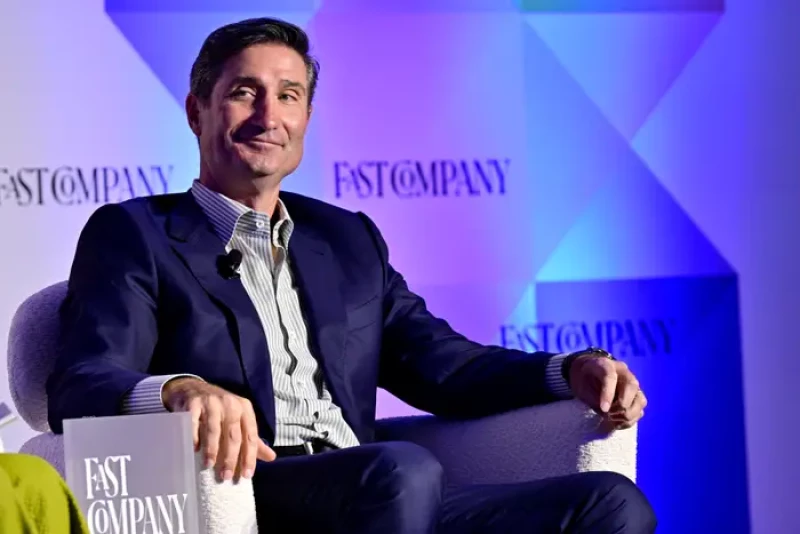
So when Starbucks made their move in 2024, they went all in. We're talking a base salary of $1.6 million, annual bonuses up to $7.2 million, and equity awards that could be worth $104 million over time. If everything hits perfectly, his first year could total $113 million. Yeah, you read that right. They even let him work from California instead of moving to Seattle, and threw in unlimited private jet access.
His personal net worth is estimated somewhere between fifty and seventy million right now, though that'll probably explode if he pulls off another miracle at Starbucks. The coffee chain is facing real problems—sales are slipping, competition is fierce, and customers' habits keep changing. But the board clearly thinks he's the guy who can fix it, and they're betting big on that belief.
Key Principles for Success: Lessons from the CEO of Starbucks

If you look at Niccol's career, a few patterns jump out. First off, the guy is obsessed with actually experiencing what customers go through. He shows up at random stores unannounced, orders like a regular person, and talks to the people working the counter about what's really happening versus what the reports say.
He's also not scared of spending money on technology that seems risky at first. Whether it was mobile ordering at Taco Bell or those Chipotlanes at Chipotle, he consistently bet on making things more convenient for customers, even when it looked expensive upfront. His philosophy is simple—meet people where they are, especially online, or get left behind.
Another big thing is how much he focuses on the people actually doing the work. At Chipotle, he bumped up wages, improved training programs, and worked hard to keep managers from quitting. He gets that if your employees are miserable, your customers will be too, and eventually that kills your business. And finally, he's relentless about the actual product. All the marketing in the world won't save you if what you're selling is mediocre, so quality always comes first in his playbook.
 Peter Smith