Sergey Diakov
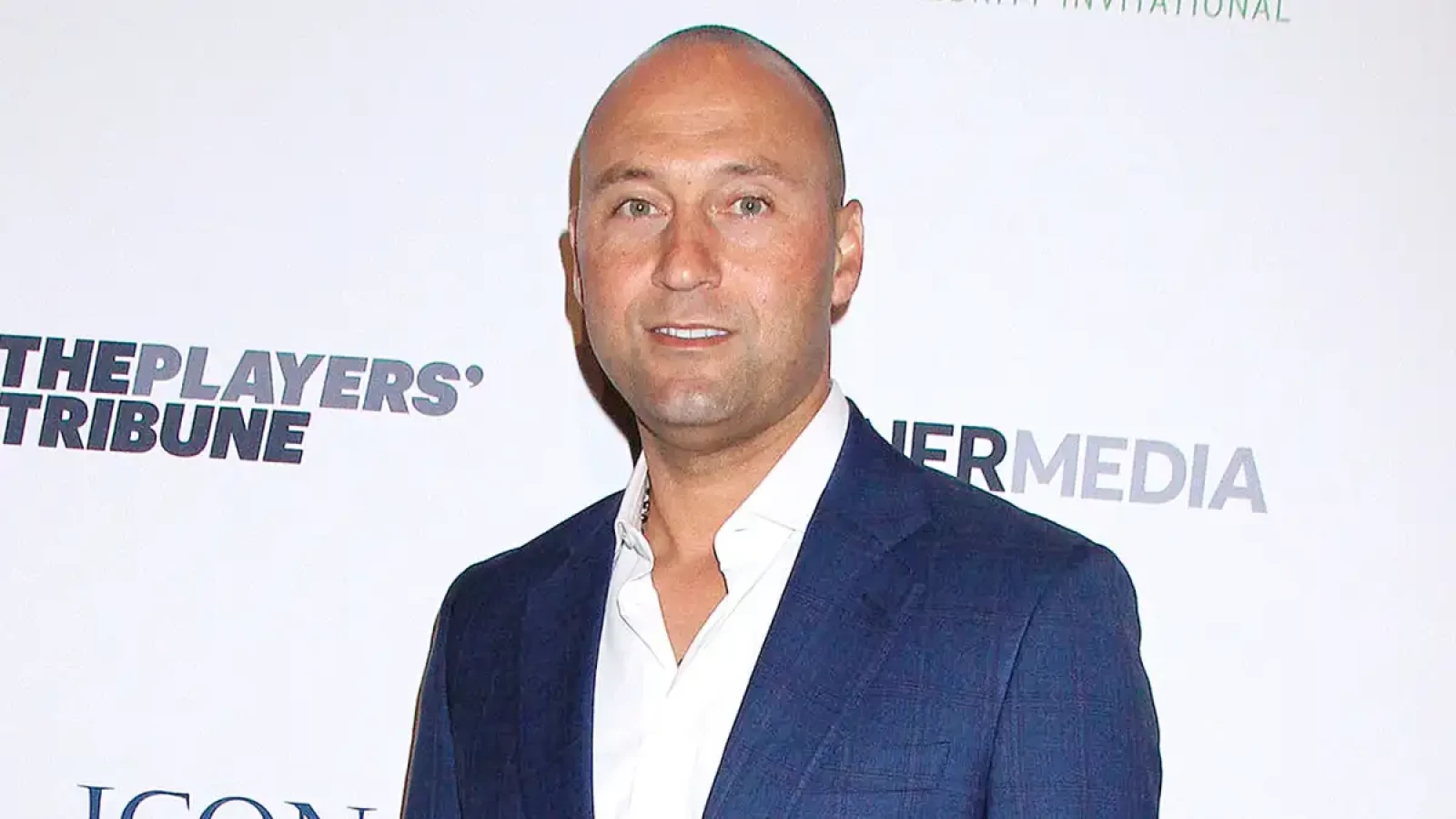
When you think about baseball legends who turned their talent into serious wealth, Derek Jeter's name sits right at the top of that list. The guy who wore number 2 for the Yankees didn't just collect championship rings—he built a financial empire that most people can only dream about. His story isn't just about hitting home runs and making incredible plays at shortstop. It's about a kid who started making a couple hundred bucks a week in the minor leagues and turned that into one of the most impressive fortunes in sports history.
Early Earnings and First Professional Paycheck
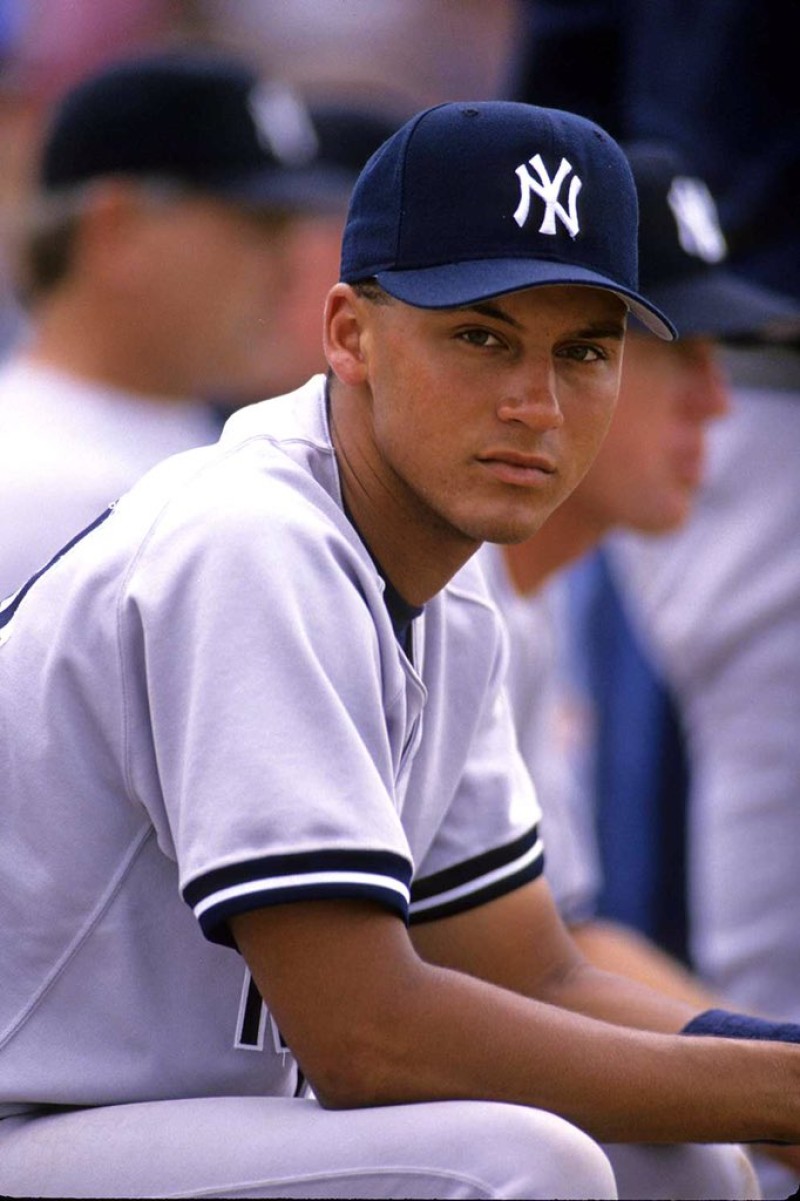
Derek Jeter's professional baseball journey kicked off back in 1992 when the Yankees picked him sixth overall in the MLB Draft. His first real job in pro baseball wasn't glamorous at all—he was grinding it out in the Yankees' minor league system down in the Gulf Coast League. The paycheck? About $850 a month, which broke down to roughly $200 per week. Yeah, you read that right. The future captain of the Yankees was making what some people spend on groceries. Between 1992 and 1995, while he was bouncing around the minors and learning his craft, Jeter pulled in somewhere around $500,000 total. Not exactly pocket change, but nothing compared to what was coming.
Career Development and Rising Salaries
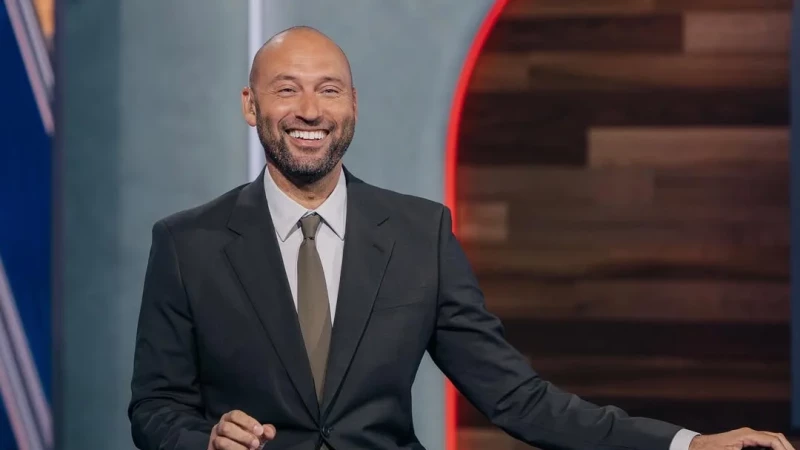
Jeter got his first taste of the big leagues in 1995, but 1996 was when everything changed. He won Rookie of the Year and helped bring a World Series championship back to New York for the first time in almost two decades. His rookie salary was $130,207—decent money, but still nothing crazy. The Yankees knew what they had though, and by 1999, they locked him down with a 10-year deal worth $118.5 million. That's when Jeter became one of the highest-paid guys in the game. Throughout the early 2000s, he was pulling in somewhere between $10 and $15 million a year just from his salary, all while leading the team to more championships and cementing his legacy as the face of the franchise.
Derek Jeter Net Worth at Peak Success
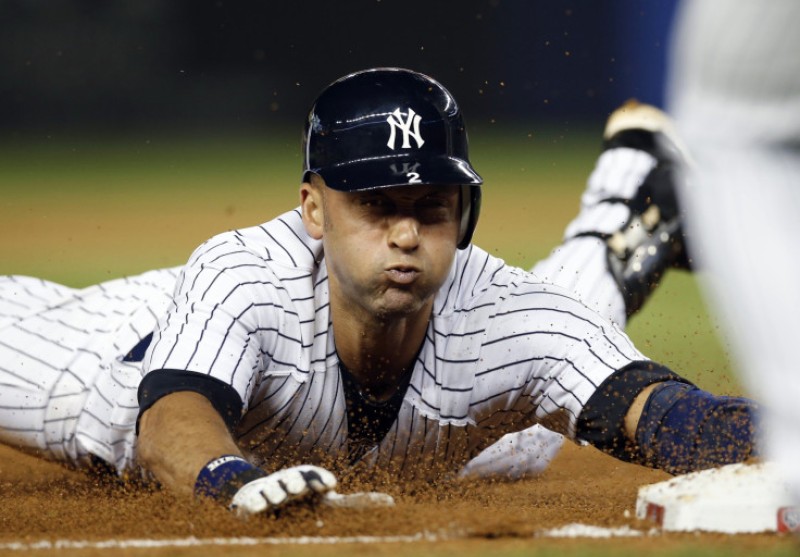
The real money started flowing in 2001 when Jeter signed a massive 10-year contract worth $189 million with the Yankees. That put him in the elite tier of baseball earners. By the time he hung up his cleats in 2014, he'd raked in over $265 million just from playing baseball. His last contract in 2010 was a three-year deal for $51 million—not a bad way to finish up a career. But here's the thing: his salary was only part of the story. Jeter was making bank from endorsements too. He had deals with huge brands like Nike's Jordan line, Gatorade, Ford, Visa, and Movado watches. During his prime years, those endorsement deals were bringing in an extra $9 to $12 million every year. And unlike some athletes whose endorsements dry up after retirement, Jeter's kept going strong, adding serious money to his overall derek jeter net worth.
Current Financial Status and Business Ventures
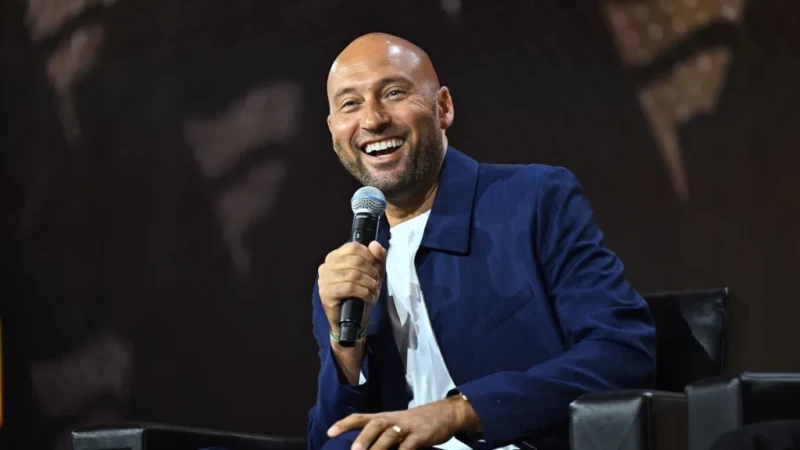
These days, derek jeter net worth sits at around $200 million, and that's not just leftover baseball money. After he retired, Jeter got into the business side of baseball in a big way. In 2017, he became part-owner and CEO of the Miami Marlins, dropping about $25 million for a 4% piece of the team. He ended up selling his stake in 2022, but the experience showed he could operate on the business side just as well as he played on the field. Back in 2014, he started The Players' Tribune, which became this really cool platform where athletes could tell their own stories without reporters filtering everything. That company got valued at $75 million before being sold. He's also got Jeter Publishing, his own publishing company, and he's still making money from endorsements and selling memorabilia. His real estate moves have been pretty impressive too—he sold his Tampa mansion for $22.5 million in 2021, which shows he knows how to invest in property and make it work for him.
Key Principles Behind Jeter's Success
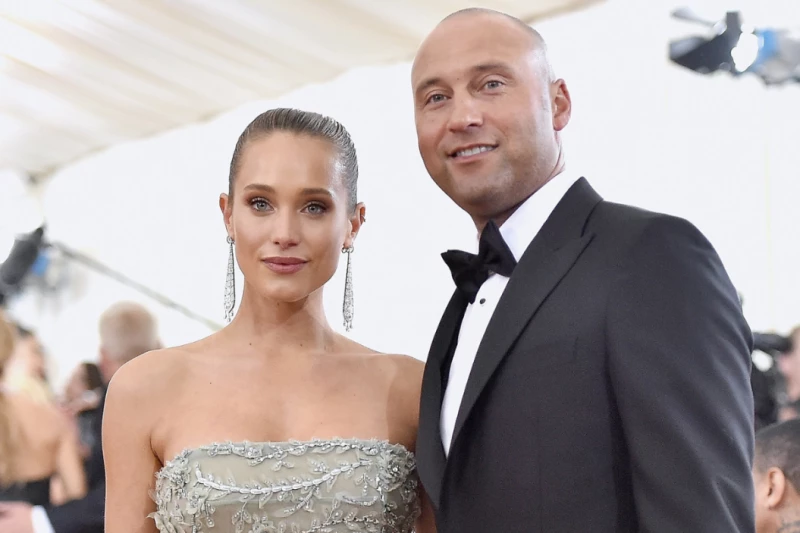
Jeter's always been pretty open about what made him successful, and it's not just about natural talent. The guy was obsessed with preparation and putting in the work. He's talked about how talent only gets you so far—if you're not willing to grind and show up every day ready to work, you're not going to make it. Another big thing for him was protecting his reputation. He was super careful about his public image throughout his career, staying away from drama and treating people with respect. That's why companies wanted to work with him and why fans still love him years after retirement. He also believed in having the right people around him—whether that was teammates who pushed him to be better or business partners who shared his vision and values. Jeter wasn't the type to make impulsive decisions either. He thought long-term, especially when it came to money and investments, instead of going after quick wins that might not pan out. And finally, giving back mattered to him. His Turn 2 Foundation has helped thousands of kids over the years, which shows that for him, real success isn't just about stacking up millions—it's about making a difference.
Derek Jeter's journey from making $200 a week in the minors to building a $200 million fortune is pretty incredible when you think about it. He showed that if you combine being great at what you do with smart financial choices and staying true to your values, you can create wealth that lasts way beyond your playing days. His story keeps inspiring athletes and business people who want to build something that goes beyond just their main career.
 Sergey Diakov