Eseandre Mordi
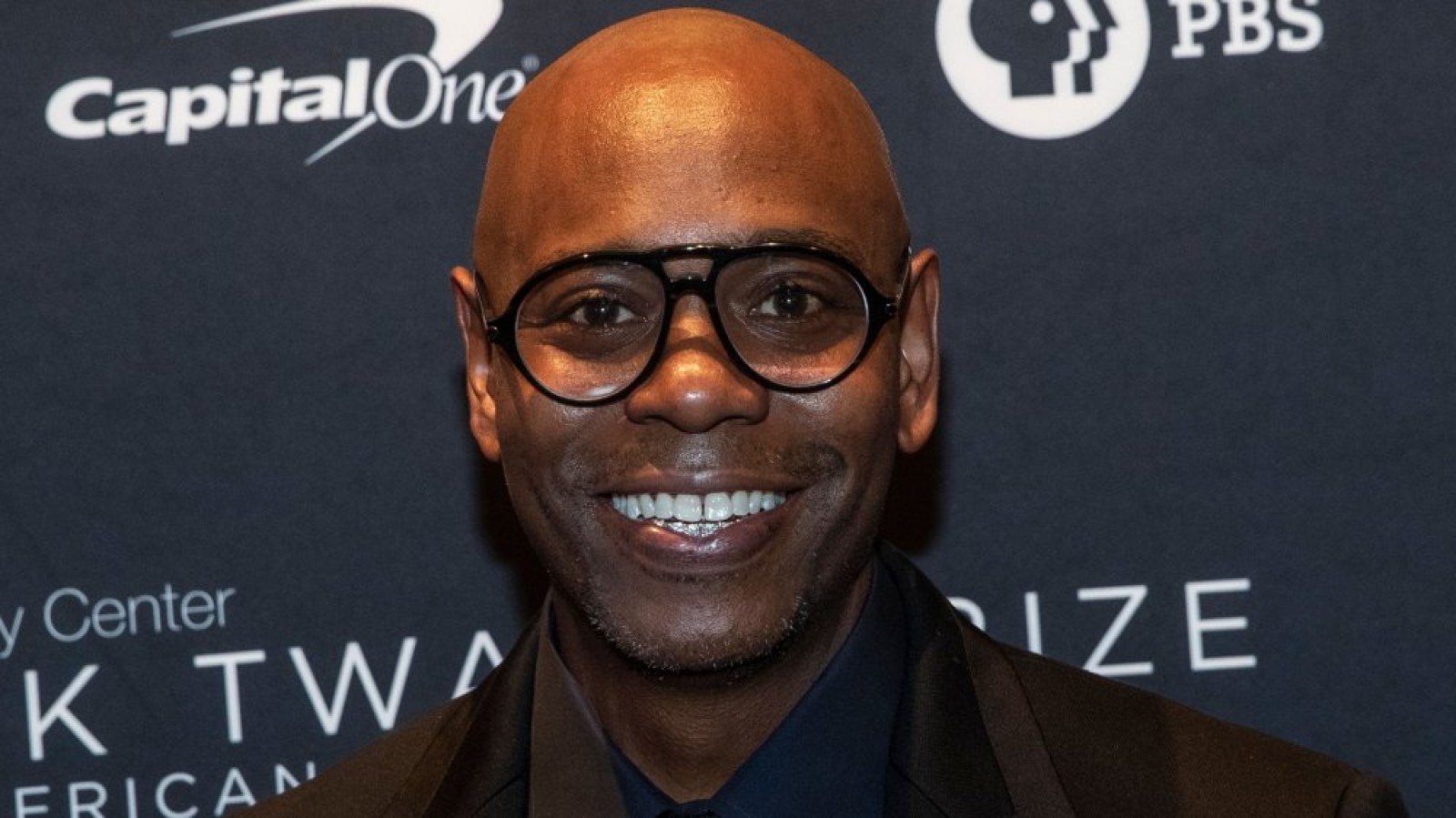
Dave Chappelle's fortune stands at an impressive $70 million in 2024, making him one of the wealthiest and most respected comedians alive today. His journey from performing in dingy comedy clubs as a teenager to pulling in $20 million per Netflix special shows what happens when raw talent meets unshakable principles. Unlike many entertainers who chase every dollar, Chappelle famously walked away from a $50 million deal when it didn't feel right. That decision shocked Hollywood but ultimately proved his genius—today, he's worth more than ever and maintains complete creative control over his work.
Dave Chappelle's First Steps Into Comedy and Early Earnings
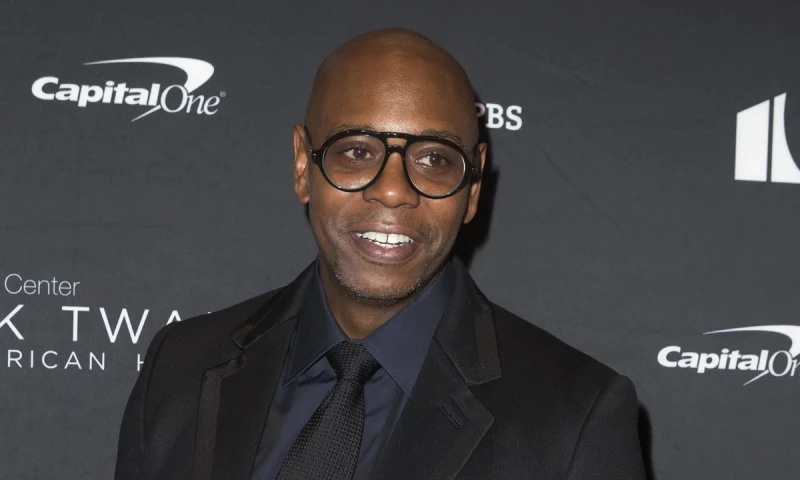
Dave knew he wanted to make people laugh from the time he could string jokes together. Born in Washington D.C. on August 24, 1973, he grew up in a household full of books and political discussions. His parents were both college professors who encouraged his artistic side, even when it meant pursuing comedy instead of a traditional career. By age 14, Dave was already performing stand-up routines at local comedy clubs, with his mother tagging along as his chaperone since he was too young to be in bars alone.
After graduating from Duke Ellington School of the Arts in 1991, Dave packed his bags and headed straight to New York City. He had made a deal with his parents: give him one year to make it in comedy, and if things didn't work out, he'd reconsider college. His first major performance at the Apollo Theater's Amateur Night ended with him getting booed off stage. Most people would've quit right there, but Dave saw it differently—getting through that humiliation gave him the courage to handle anything comedy could throw at him.
The breakthrough came in 1992 when he appeared on HBO's "Def Comedy Jam." That performance put him on the map and led to regular spots on late-night shows like Letterman and Conan. At 19, he landed a gig opening for Aretha Franklin, which was both an honor and a decent payday for a kid still finding his voice. Those early New York comedy club gigs probably paid a few hundred bucks per night, barely enough to cover rent in a cramped apartment, but they were building something bigger.
His first movie role came at age 20 in Mel Brooks' "Robin Hood: Men in Tights" in 1993. He followed that with small parts in "The Nutty Professor" and other films through the late '90s. In 1998, Dave co-wrote and starred in "Half Baked," the stoner comedy that became a cult classic. None of these early projects made him rich, but they kept money coming in while he developed the sharp, observational style that would later make him a legend.
How Dave Chappelle Built His Career and Income Through the 2000s
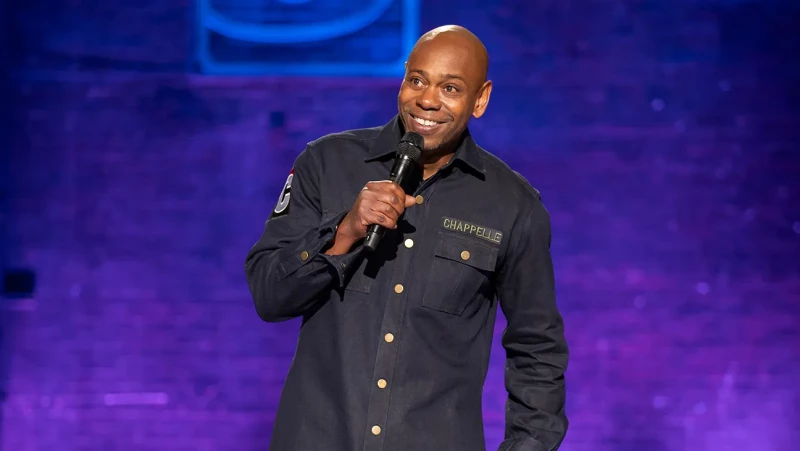
Everything changed in 2003 when "Chappelle's Show" premiered on Comedy Central. The sketch comedy series exploded into a cultural phenomenon practically overnight. His portrayals of Rick James and Prince, plus recurring characters like Tyrone Biggums, had everyone from college kids to office workers quoting his lines. The show's DVD for the first season became the best-selling TV show DVD of all time, even beating "The Simpsons." Comedy Central was printing money from the show's success.
By 2004, Viacom offered Dave a $55 million contract to keep the show going for two more years. For a comedian who'd spent years scraping by, this was life-changing money. The deal would've made him one of the highest-paid people in television. But as filming for season three got underway in 2005, something broke inside him. The constant grind of production, the pressure to top each episode, and creative disagreements with network executives were crushing his spirit. Dave later admitted the show was ruining his life and he couldn't even enjoy doing stand-up anymore because people constantly yelled his catchphrases at him.
So he did the unthinkable—he walked away. In the middle of filming season three, Dave left the set and eventually traveled to South Africa to clear his head. The entertainment industry couldn't believe it. People called him crazy, speculated about drug problems or a mental breakdown, and criticized him for abandoning a goldmine. But Dave knew the $50 million wasn't worth his sanity or creative soul.
Between 2005 and 2013, Dave mostly disappeared from the public eye. He'd pop up for occasional stand-up shows in small clubs or make rare TV appearances, but he was essentially in exile from mainstream entertainment. This was his financial wilderness period—still making enough to support his family on their Ohio farm, but nothing compared to what he'd walked away from. Some people thought his career was over for good.
Dave Chappelle Net Worth at Its Peak: The Netflix Era
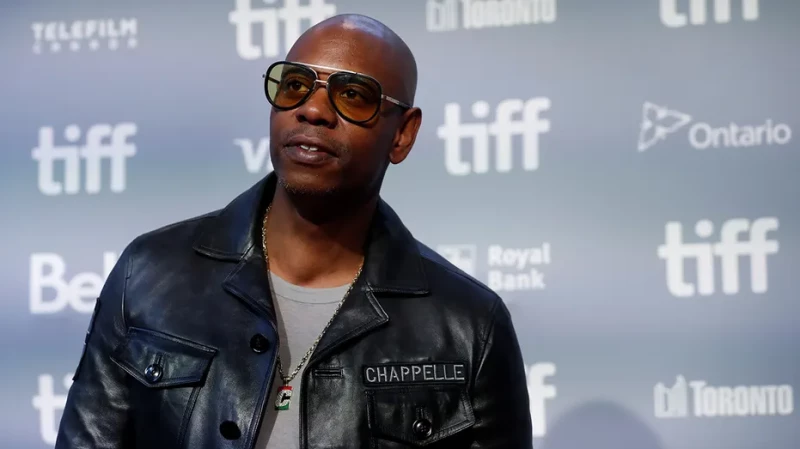
The comeback started quietly in 2013 when Dave began headlining his own stand-up tours again. Audiences hadn't forgotten him—if anything, they appreciated him more after his principled stand against the corporate machine. In June 2014, he performed ten consecutive sold-out shows at Radio City Music Hall in New York. Those shows grossed about $11.5 million, with each performance pulling in over $700,000. The message was clear: Dave Chappelle was still box office gold.
Then came the deal that changed everything. In November 2016, Netflix signed Dave to deliver three stand-up specials for a reported $60 million total—$20 million per special. This was one of the biggest deals ever offered to a comedian for any platform. The streaming giant was betting big that Dave's comeback would pay off, and they were right. His first two Netflix specials became the most-watched stand-up content the platform had ever released.
The dave chappelle net worth started climbing fast again. Netflix essentially gave him an open checkbook arrangement: whenever Dave wanted to deliver another special, they'd pay him $20 million for it. He's released multiple specials under this deal, including "The Age of Spin," "Equanimity," "Sticks & Stones," "The Closer," and most recently "The Dreamer" in December 2023. Each one generated millions of views and sparked cultural conversations that kept Netflix subscribers engaged. So far, Dave has earned approximately $80 million from Netflix alone.
His live touring became equally lucrative. Dave started doing exclusive pop-up shows where ticket prices could reach $500 or more, and they'd still sell out instantly. He wasn't doing massive arena tours like Kevin Hart—instead, he played smaller venues and special events that maintained an intimate feel while commanding premium prices. This strategy kept his material fresh and his brand exclusive.
Current Dave Chappelle Net Worth and Earning Potential
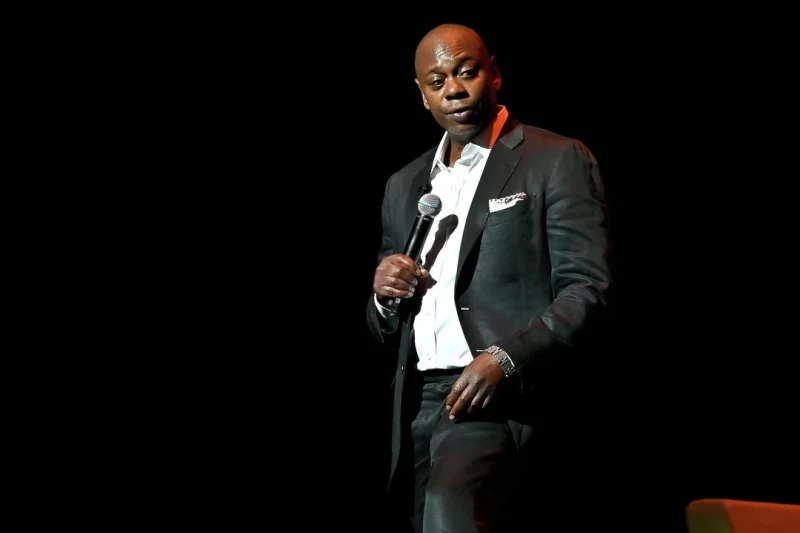
Today, estimates put dave chappelle net worth at $70 million, though some sources claim it could be as high as $100 million when you factor in all his assets. The money keeps rolling in from multiple directions. His Netflix deal continues at the $20 million per special rate, and there's no sign they want to stop working with him. In 2022 alone, he earned $47 million between June and December, making him one of the highest-paid entertainers in any field that year.
Beyond the performance income, Dave owns substantial real estate. His primary residence is a 65-acre farm near Yellow Springs, Ohio, where he lives with his wife and three children. He also owns several properties in nearby Xenia. The farm property alone is worth millions and gives him the privacy and space to live life on his own terms, far from Hollywood's chaos.
One of Dave's smartest recent moves was fighting to regain control of "Chappelle's Show." When Netflix and HBO Max started streaming the series without properly compensating him, Dave publicly urged fans to boycott it. Netflix actually listened and pulled the show in 2020. They later renegotiated terms that paid Dave fairly, and only then did the show return to their platform. This wasn't just about money—it was about respect and ownership of his creative work.
His current earning potential remains massive. Every time Dave decides to record another Netflix special, $20 million hits his account. His live shows continue selling out, generating millions more each year. He's become incredibly selective about projects, which ironically makes him even more valuable. When Dave Chappelle attaches his name to something, people pay attention because they know it'll be quality. That reputation gives him leverage in any negotiation.
The entertainment industry has learned that Chappelle operates by his own rules. He doesn't need them more than they need him, and that balance of power is rare. At 51 years old, he's in his prime creatively and financially. Unlike comedians who need to work constantly to maintain their lifestyle, Dave has structured his career so he only works when he wants to, doing exactly what he wants to do.
Dave Chappelle's Core Principles for Success

Dave's career offers a masterclass in achieving success without selling your soul. His most important principle is authenticity—staying true to yourself even when everyone's watching. He's said many times that this is the hardest thing to do, and his $50 million walk-away proved he meant it. While other comedians shaped their material to please networks and advertisers, Dave refused to compromise his vision.
Understanding your own definition of success is another key principle Dave lives by. When his father questioned whether comedy was a smart career choice, young Dave had a perfect response: if he could make a teacher's salary doing comedy, that would be success to him. His father told him to name his price early and get out if it ever costs more than that price. This advice saved Dave's life—he knew exactly when the money wasn't worth the personal cost anymore.
Dave also believes in embracing failure as your teacher. Getting booed at the Apollo Theater could've ended his career before it started, but instead it gave him the confidence to handle any tough crowd or harsh criticism. He's openly said you have to realize your failures and figure out how to overcome them if you want to do something great in life. Every setback became a stepping stone for him.
Money isn't everything—another principle Dave demonstrated through his actions. During an interview with David Letterman, he explained his perspective perfectly: he might not have $100 million like some people, but if he's eating the same meal and his kids go to the same schools, what's the real difference? This mindset freed him from the desperate chase for every dollar and let him make decisions based on what felt right rather than what paid most.
Maintaining control over your creative work became crucial to Dave after the Comedy Central experience. He's been honest about signing that contract when he was young, naive, and expecting a child—he needed the money and didn't fully understand what he was giving up. That painful lesson taught him to carefully protect his creative output and never again sign away ownership without understanding the long-term implications.
Finally, Dave accepts that you can't please everyone, and trying to do so is a waste of energy. He's said people might like him today and hate him tomorrow, and you can't count on popularity. This philosophy freed him to create controversial material that pushes boundaries and starts real conversations. His willingness to be polarizing rather than universally loved has paradoxically made him more valuable and authentic. Comedy that makes everyone comfortable isn't really saying anything important.
These principles show why dave chappelle net worth isn't just measured in dollars. He's built a legacy based on integrity, creative freedom, and doing things his way. Young comedians study his career not just to learn how to be funny, but to understand how to build a lasting career without compromising your values. In an industry full of people who sold out for far less, Dave Chappelle walked away from $50 million and came back even stronger. That's the real lesson—success on your own terms is worth more than any paycheck.
 Eseandre Mordi