Sergey Diakov
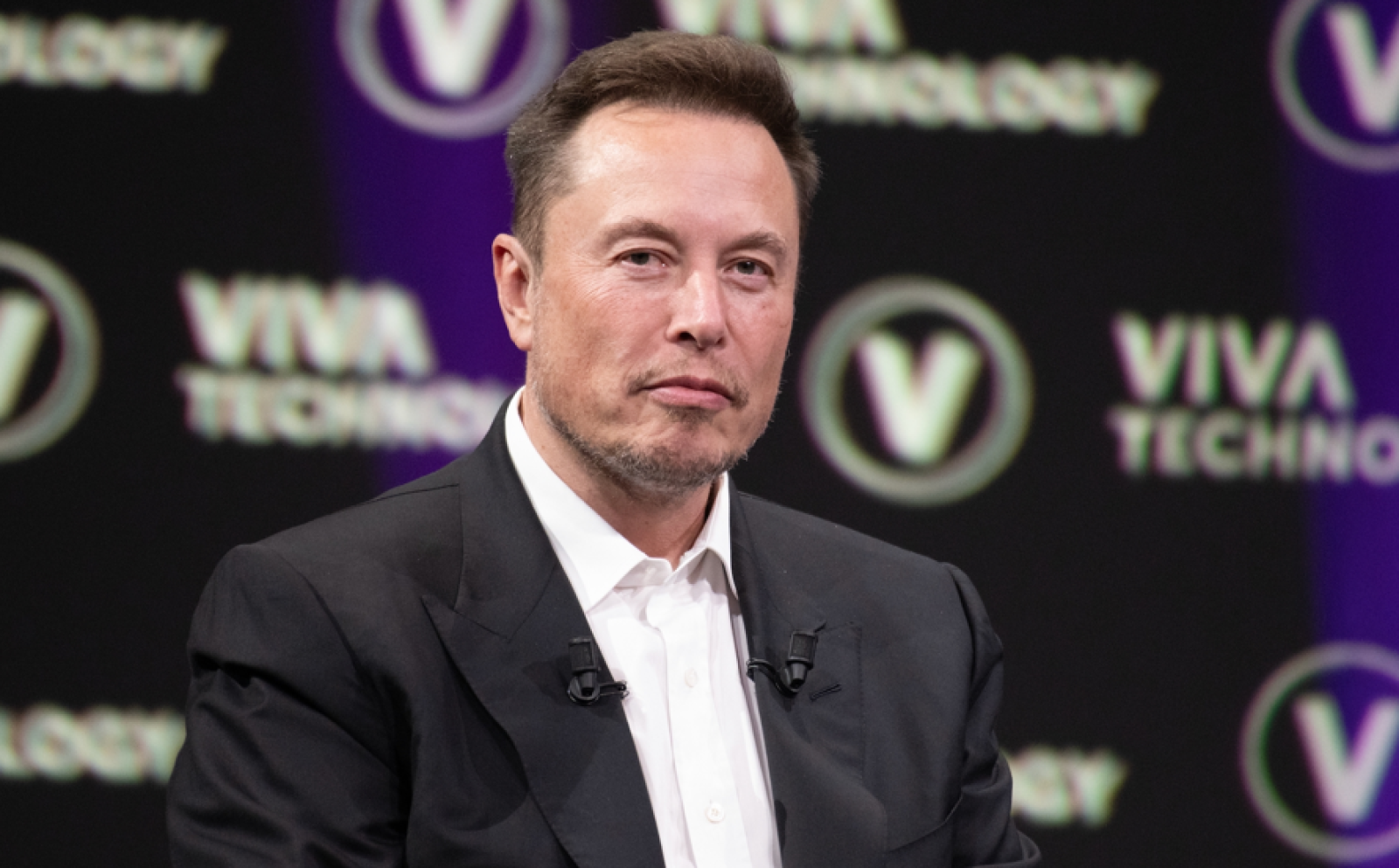
You know what's wild? Elon Musk just crossed a threshold nobody in human history has ever reached before. The guy's net worth hit $400 billion in December 2024, and by October 2025, some sources were saying it's closer to $500 billion. Yeah, you read that right. Half a trillion dollars.
The 53-year-old runs Tesla, SpaceX, X (formerly Twitter), xAI, and a bunch of other companies. His wealth shot up mainly because Tesla's stock went absolutely crazy throughout 2024, jumping 71%. Add to that SpaceX getting valued at $350 billion after a huge funding round, and you can see why his bank account looks like a phone number.
Here's the thing that makes this even more impressive - Jeff Bezos, the second-richest person on Earth, has around $240 billion. Musk basically lapped him. The gap between first and second place is bigger than most billionaires' entire fortunes. Just in 2024 alone, Musk added $218 billion to his wealth. That's insane.
But Musk didn't start out as some tech billionaire. His journey from sleeping in an office and showering at the YMCA to becoming the richest human alive is actually pretty fascinating. Let's break down how he got here.
CEO of Tesla: From Coding Games to Cleaning Boilers
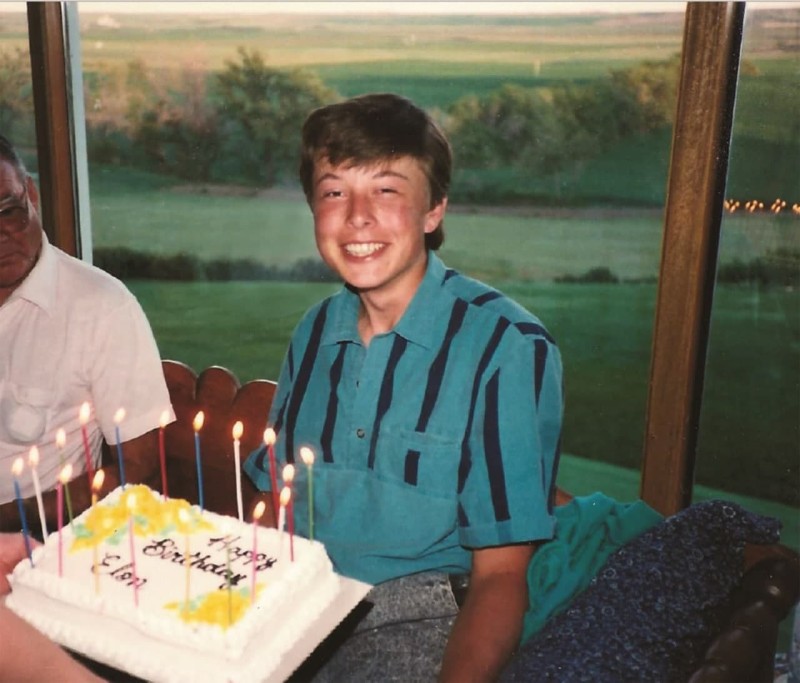
Musk's first taste of making money came way earlier than most people think. When he was just 12 years old, living in South Africa, he taught himself computer programming and created this video game called Blastar. A local computer magazine bought the source code from him for $500. Not bad for a kid, right?
But his real first job? That was way less glamorous. As a teenager in British Columbia, Musk needed money, so he checked out which jobs paid the most. The answer was boiler room cleaner at $18 an hour. Picture this: he'd put on a hazmat suit, crawl through tiny tunnels into these hot boiler rooms, and shovel nasty muck into wheelbarrows. Out of 30 people who started, only four lasted past the first week. Musk was one of them.
This experience wasn't just about the money though. It taught him that he could push through absolutely brutal conditions when needed. That mindset would come in handy later.
After graduating from the University of Pennsylvania in 1995 with degrees in physics and economics, Musk had a plan: get a PhD at Stanford. But then he saw the internet boom starting to happen and thought, "If I don't jump on this now, I'm going to miss it." So he dropped out after literally just a few days.
He even tried getting a job at Netscape first. Sent them his resume, got no response. Then he actually went to their office and hung around in the lobby, hoping to bump into someone and pitch himself. But he was too shy to talk to anyone. So he left, went home, and thought, "Screw it, I'll just build my own internet company."
Tesla Leadership Started After PayPal and Zip2 Success
In 1995, Musk and his brother Kimbal started Zip2 with basically nothing. Their dad gave them $28,000, and Musk had about $2,000 in his bank account. They built this online business directory with maps for newspapers - think Yellow Pages meets Google Maps, but way before either of those really existed.
Money was so tight that they couldn't afford an apartment. So what did they do? Slept in their office on futons and showered at the YMCA down the street. Musk would code the website all day, every day, seven days a week. His brother Kimbal handled sales, trying to convince newspapers that the internet was actually going to be a thing.
Eventually, it worked. They landed deals with The New York Times and the Chicago Tribune. In 1999, Compaq bought Zip2 for $307 million. Musk was 27 years old and walked away with $22 million from his 7% stake. Most people would've retired right there. Not Musk.
He immediately took $12 million of that money and started X.com in March 1999. It was one of the first online banks that was actually federally insured. Within months, over 200,000 people signed up. The company eventually merged with another startup called Confinity, and together they became PayPal.
When eBay bought PayPal in 2002 for $1.5 billion, Musk made about $175 million after taxes. He was 31 years old and already a nine-figure millionaire. But again, instead of chilling on a beach somewhere, he decided to do something even crazier.
He took $100 million and founded SpaceX in 2002, thinking he could build rockets cheaper than NASA or Russia. Everyone thought he was nuts. Then in 2004, he invested $6.35 million in this little electric car company called Tesla and became chairman of the board.
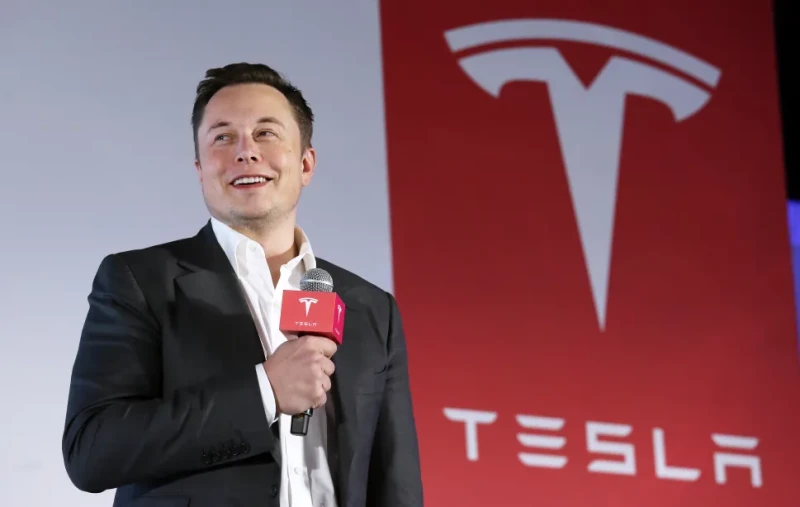
Tesla was already founded by other people, but it was struggling. By 2008, during the financial crisis, things got really bad. The original founders were out, and Musk stepped up as CEO of Tesla and product architect. He's been running it ever since, turning it from a failing startup into the most valuable car company in the world.
How Much Does the CEO of Tesla Actually Make?
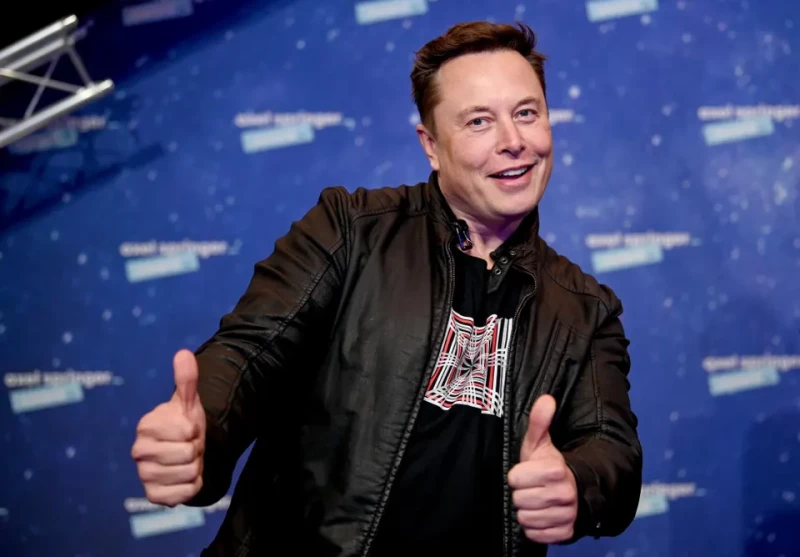
Here's something interesting - the CEO of Tesla doesn't get a salary. Zero dollars. Musk's entire compensation is tied to Tesla hitting specific goals for valuation and revenue. It's the biggest CEO pay deal ever made.
In 2018, he agreed to this wild compensation plan where he only gets paid if Tesla reaches certain milestones. By November 2025, shareholders approved a package that could be worth up to $1 trillion over 10 years if he meets all his goals. Yes, trillion with a T.
Most of his wealth used to come from Tesla stock - about 75% back in November 2020. But after he bought Twitter for $44 billion, he had to sell a ton of Tesla shares. So by late 2022, only about 37% of his wealth was from Tesla. He actually calls himself "cash poor" because all his money is tied up in company stock. Bloomberg says his actual cash on hand is basically zero.
His net worth is all over the place too. In December 2022, he became the first person ever to lose $200 billion from his net worth. Guinness World Records even documented it. But he bounced back fast, crossing $300 billion in late 2021, then $400 billion in December 2024, and now possibly $500 billion.
Where does all this money come from? His 13% stake in Tesla is the big one. Then there's SpaceX, worth $350 billion. He owns X (Twitter). His AI company xAI doubled in value to $50 billion in November 2024. Plus he's got stakes in Neuralink and The Boring Company. SpaceX alone has $20 billion in government contracts as of November 2024.
Success Principles from the CEO of Tesla
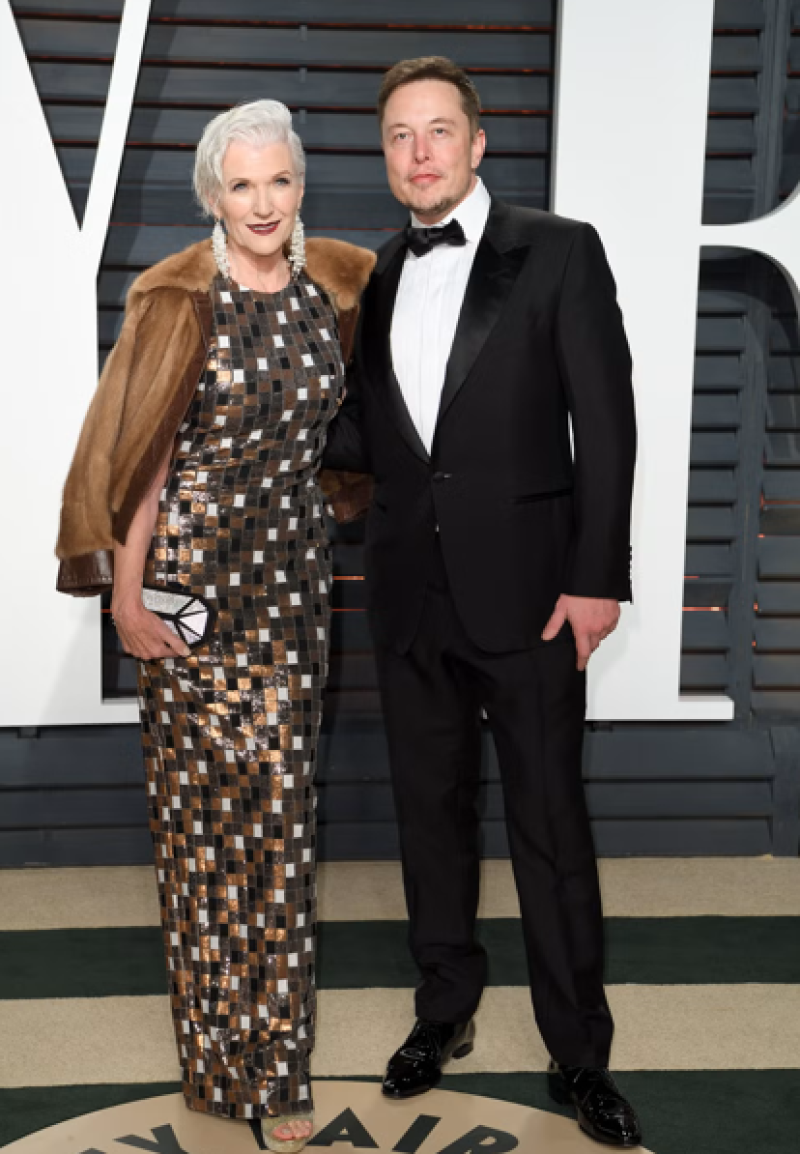
Musk's been pretty open about how he thinks and what drives him. If you're trying to build something or just want to understand how this guy's brain works, these principles are worth knowing.
First up is "first principles thinking." Instead of doing things the way they've always been done, Musk breaks everything down to the most basic facts and builds up from there. Like, when he wanted to buy rockets for SpaceX and they cost $8 million each, he didn't just accept that. He asked, "What are rockets actually made of? What do those materials cost?" Turns out, he could build better rockets for way less money. That's how SpaceX started.
Work ethic is another huge thing for him. During Zip2 and PayPal, he'd regularly pull 80-100 hour weeks. He once said if someone else works 40 hours and you work 100, you'll achieve in four months what takes them a year. Now he's running like five companies at once. Most people can barely handle one job.
Persistence is probably his most important trait. SpaceX's first three rocket launches all failed. The company was basically broke. But Musk didn't quit. He's said many times that you shouldn't give up unless you absolutely have to. In 2008, both Tesla and SpaceX were days away from bankruptcy at the same time. Most people would've walked away. Musk just kept pushing.
He's also obsessed with learning and getting feedback. He says the best advice he can give is to constantly think about how you're doing things and how you could do them better. He actually asks people for negative feedback, especially friends, because that's how you improve. Most people hate criticism. Musk seeks it out.
Taking risks is part of the game too. He believes if you're not failing, you're not innovating enough. Everyone's scared of taking risks, but that's how real progress happens. Failure isn't something to avoid - it's just information telling you what doesn't work.
Building great teams matters a lot to him. He surrounds himself with smart people who actually care about what they're building. And here's something interesting - he says no task is too small for a CEO. If something needs doing, you do it, even if it's not glamorous.
Finally, Musk focuses on big, meaningful problems. He's not interested in making another app or whatever. He wants to work on stuff that actually matters - like getting humans to Mars or solving climate change with electric cars and solar power. Instead of fighting over a piece of an existing market, he creates entirely new ones.
These ideas didn't just make him rich. They helped him completely change multiple industries - online payments, electric cars, space travel, you name it. Whether he's building rockets, cars, or brain implants, his approach stays the same: work harder than everyone else, never stop learning, don't be afraid to fail, think from scratch, and focus on solving real problems that actually matter to humanity.
 Sergey Diakov