Alex Dudov
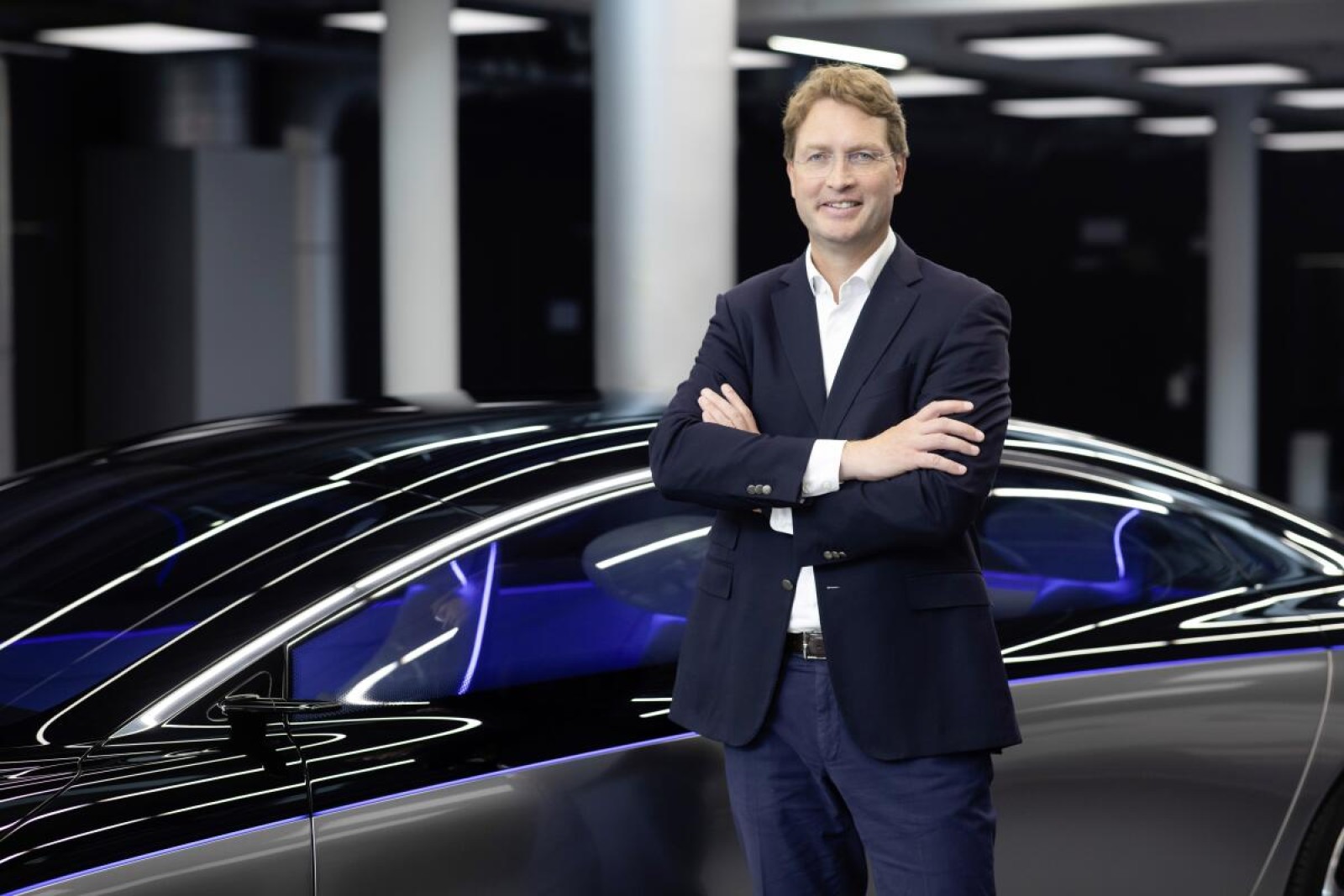
From a financial analyst earning modest wages in the 1990s to steering one of the world's most prestigious automotive brands, Ola Källenius embodies the modern corporate success story. His journey to becoming CEO of Benz wasn't built on shortcuts or family connections—it was earned through strategic thinking, technical expertise, and an uncanny ability to see around corners in a rapidly changing industry.
Early Days: A Swedish Engineer's First Steps in the Auto World
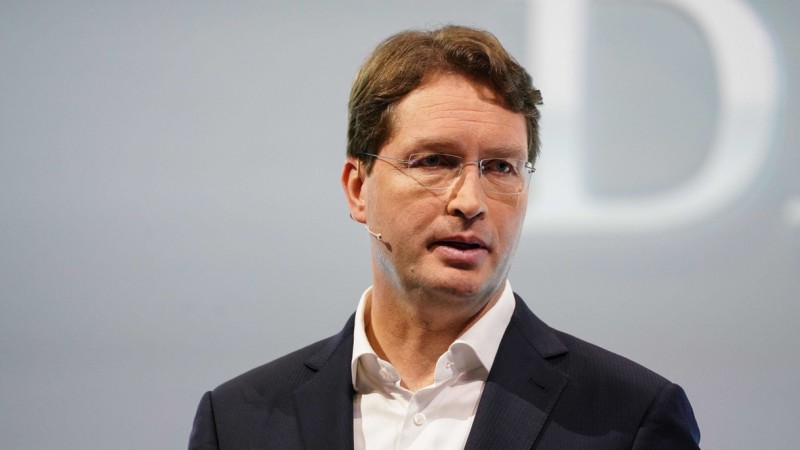
Ola Källenius wasn't born into wealth or automotive royalty. Growing up in Sweden in the 1970s and 80s, he developed a fascination with cars and engineering that would shape his entire life. After completing his master's degree at the Stockholm School of Economics and ETH Zurich, he landed his first real job at Mercedes-Benz in 1993 as a financial analyst at their Stuttgart headquarters. He was 24 years old, fresh out of university, and ready to prove himself.
That first paycheck wasn't glamorous by today's CEO standards. Like most junior analysts in the automotive sector back then, Källenius probably took home somewhere between $45,000 and $60,000 a year. But he wasn't focused on the money—he was absorbing everything he could about how a global luxury car manufacturer actually worked. He spent long hours in the finance department, learning the numbers behind the engineering marvels that rolled off production lines.
What set him apart early on was his unique combination of financial acumen and genuine passion for automobiles. While other analysts saw spreadsheets, Källenius saw the story behind every cost center and profit margin. That perspective caught the eye of senior management, and his career started gaining momentum faster than most of his peers.
Climbing the Ladder: From Finance Guy to Brand Leader
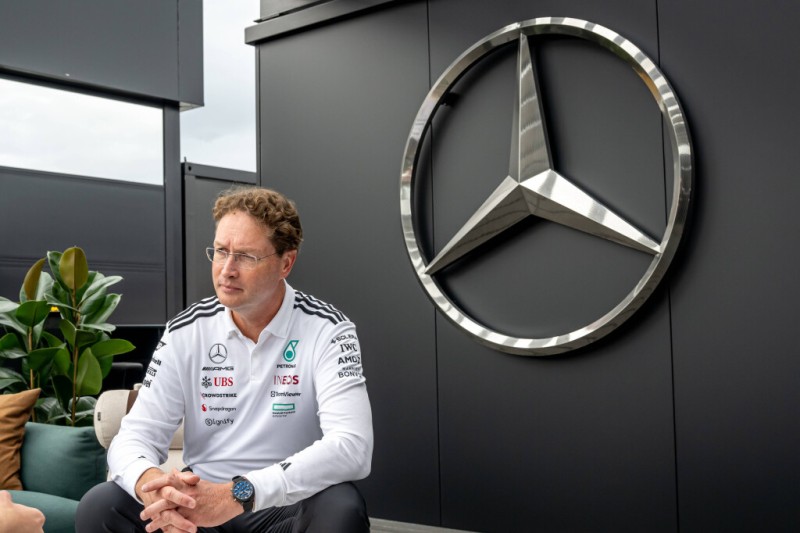
Throughout the late 1990s and early 2000s, Källenius steadily moved up the ranks. He wasn't jumping ship to competitors for quick promotions—he stayed loyal to Mercedes-Benz, learning different aspects of the business with each new role. He worked in controlling, then moved into marketing and sales, building a comprehensive understanding of what made the luxury auto business tick.
The real breakthrough came when he took charge of Mercedes-AMG, the company's high-performance division. This wasn't just another promotion—it was a chance to run an entire brand within the larger Mercedes ecosystem. At AMG, Källenius showed he could do more than crunch numbers. He grew the performance division significantly while keeping it exclusive and desirable, a tricky balance that impressed the board. During this period in the early 2010s, his compensation jumped to around $500,000 to $800,000 annually, reflecting his growing importance to the company.
By 2017, Källenius had earned a seat on Daimler AG's Board of Management, overseeing Group Research and Mercedes-Benz Cars Development. This is where he really started shaping the company's future. He championed the push into electric vehicles, launching the EQ brand well before most competitors took EVs seriously. His annual compensation at this executive level climbed into the several million dollar range, and he was clearly being groomed for the top job.
Reaching the Summit: The CEO of Benz Takes Charge at a Critical Moment
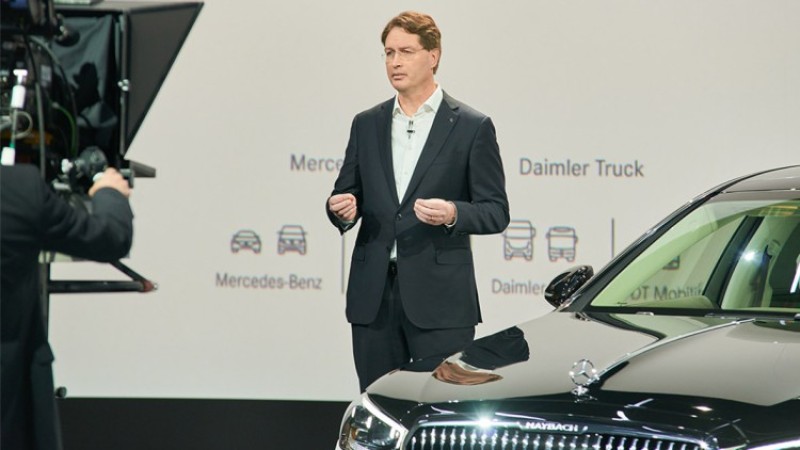
In May 2019, at just 50 years old, Ola Källenius achieved what few automotive executives ever do—he became Chairman of the Board of Management of Daimler AG and Head of Mercedes-Benz Cars. Essentially, he became the CEO of Benz, responsible for one of the most recognized luxury brands on the planet.
But he didn't inherit an easy situation. The automotive industry was facing massive disruption from electric vehicles, autonomous driving technology, and changing customer expectations. Traditional automakers were being challenged by tech companies and EV startups. Källenius had to navigate chip shortages, supply chain nightmares, and the enormous financial burden of transitioning from combustion engines to electric powertrains.
Under his watch, Mercedes-Benz committed over €40 billion to electric vehicle development through 2030. He also pushed through the "Ambition 2039" plan, promising to make the entire company carbon neutral by that year. In 2021, he orchestrated the separation of Mercedes-Benz from Daimler Truck, turning the passenger car division into its own publicly traded entity. These weren't small moves—they were bet-the-company decisions that will define his legacy as the CEO of Benz.
The Money Today: What Running Mercedes-Benz Pays
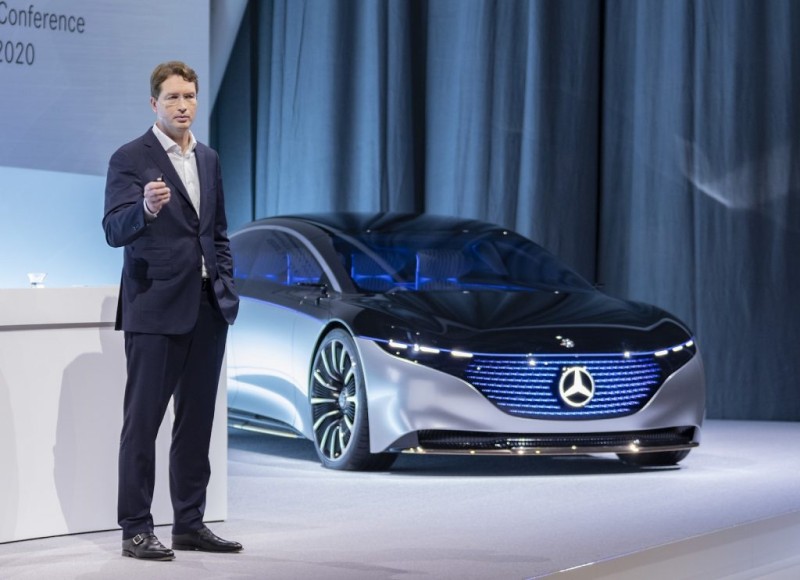
So what does being CEO of Benz actually pay these days? Källenius's total compensation package sits around €15-17 million annually, which translates to roughly $16-18 million. That includes his base salary, performance bonuses tied to company results, and stock options that rise and fall with Mercedes-Benz's market performance.
Over his three-decade career, Källenius has accumulated an estimated net worth between $50 and $75 million. That's a combination of his executive compensation packages over the years, stock holdings in Mercedes-Benz, and smart investments along the way. For context, Mercedes-Benz pulled in €153.2 billion in revenue in 2023, so his compensation reflects the massive responsibility of steering that ship.
What's interesting about Källenius is that despite his wealth, he's not known for flashy displays of money. Colleagues describe him as relatively modest compared to other executives at his level. He seems more energized by the strategic challenges of transforming a legacy automaker than by collecting supercars or yachts.
His earnings continue to grow as Mercedes-Benz maintains its position as the world's top luxury car brand. Even with all the industry challenges—chip shortages, EV transition costs, economic uncertainty—the company remains profitable, and Källenius's pay is directly linked to hitting those targets. The better Mercedes performs, the bigger his paycheck gets.
Success Philosophy: Key Lessons From the CEO of Benz
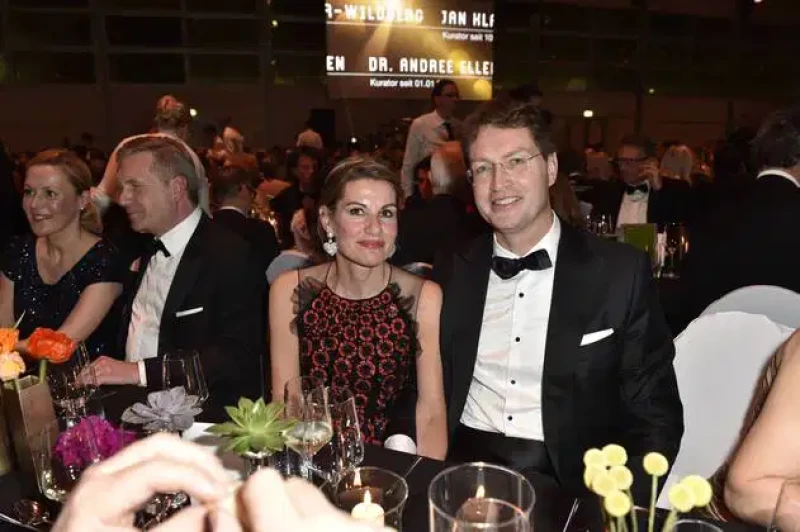
Throughout his career, Ola Källenius has developed a clear philosophy about what makes leaders and companies successful. These aren't just empty corporate platitudes—they're principles he's actually lived by on his way to the top.
- Get ahead of change instead of reacting to it. Källenius pushed Mercedes into electric vehicles earlier than many competitors because he understood that waiting for the market to force your hand is a recipe for irrelevance. He believes you need to see the future and start building it before your current business model breaks down.
- Honor your past while creating your future. Running a 137-year-old luxury brand means respecting heritage without becoming a museum piece. Källenius talks constantly about knowing which traditions to preserve and which ones to throw out. Mercedes-Benz customers expect a certain level of craftsmanship and prestige, but they also want cutting-edge technology. Finding that balance is an art, not a science.
- Invest in your people as much as your technology. When Mercedes-Benz shifts from building combustion engines to electric powertrains, that's not just a technology change—it's a human one. Källenius has championed massive retraining programs for factory workers and engineers, understanding that great technology means nothing without skilled people to build and improve it.
- Turn sustainability into a competitive advantage. A lot of executives view environmental regulations as annoying obstacles. Källenius flipped that thinking, arguing that sustainability attracts customers, especially younger buyers, and helps recruit top talent who want to work for companies with a purpose beyond just making money.
- Think in years, not quarters. Wall Street loves short-term results, but Källenius has stuck to his long-term vision even when it meant disappointing investors in the near term. He's committed billions to electric platforms and software development that won't pay off for years, betting that short-term pain creates long-term dominance.
- Stay humble and keep learning. Despite running one of the most prestigious companies in the world, Källenius regularly admits when he doesn't have all the answers. The automotive industry is changing faster than anyone predicted, and he's constantly educating himself about battery technology, software, artificial intelligence, and other fields that weren't part of traditional car manufacturing.
These principles didn't just guide his personal rise from a junior analyst to the top position—they're actively shaping how Mercedes-Benz navigates the biggest transformation in automotive history. Whether his approach succeeds or fails will determine not just his legacy, but potentially the survival of one of the world's most iconic brands.
 Alex Dudov