Alex Dudov
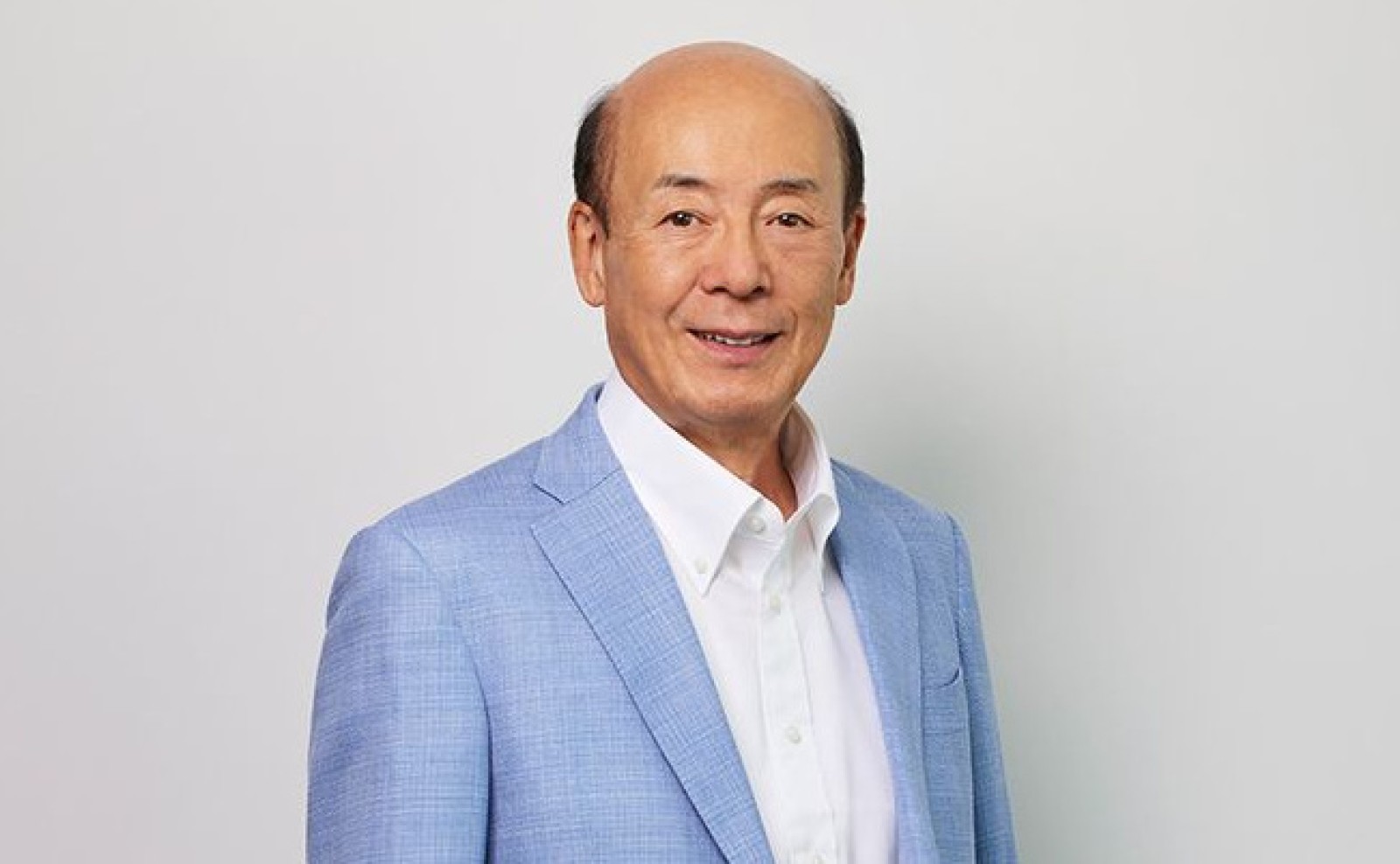
The path to becoming CEO of a multi-billion dollar corporation rarely follows a straight line. For Yasuhito Hirota, the man who now leads ASICS, success came through decades of grinding it out on factory floors, mastering sales techniques, and slowly building the kind of deep knowledge that can't be learned in business school. His story isn't about overnight success or lucky breaks—it's about showing up every day and getting better at what you do.
How the ASICS CEO Started Making His First Money
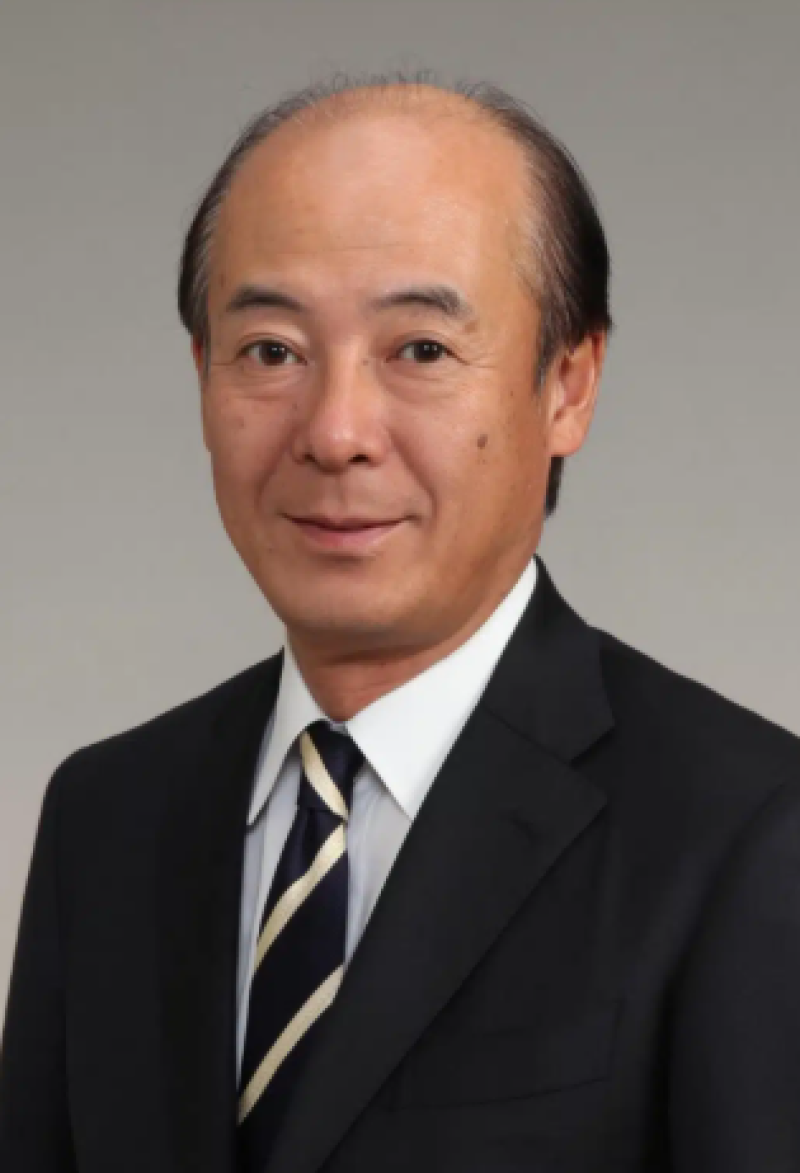
Yasuhito Hirota wasn't born into wealth or handed a corner office fresh out of university. Back in the early 1980s, he started working at an ASICS manufacturing plant, doing the kind of work most executives never experience. He was on the production line, making around 180,000 to 200,000 yen per month, which translated to roughly $1,200 to $1,400 at the time.
Most people would've seen that factory job as something to escape from as quickly as possible. Hirota saw it differently. He figured if he was going to work in the sportswear industry, he might as well understand how shoes were actually made. That hands-on experience taught him things about quality control, manufacturing efficiency, and product development that no MBA program could match. While his friends were climbing corporate ladders at faster speeds, he was learning the business from the inside out.
Climbing the Ranks: How the CEO of ASICS Built His Career
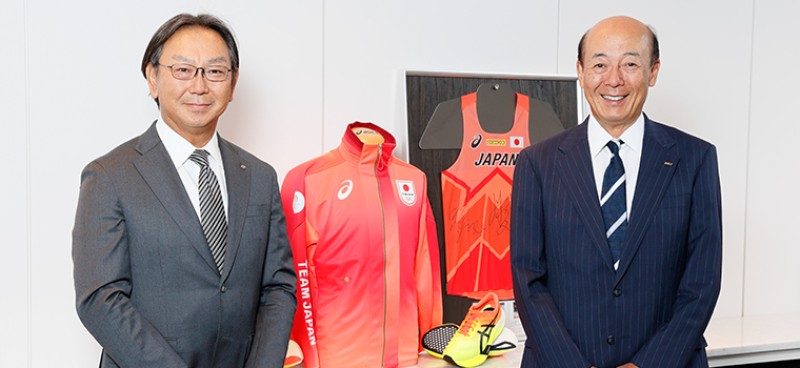
The 1990s changed everything for Hirota. He moved from manufacturing into sales, and suddenly all that product knowledge became his secret weapon. When you actually know how a shoe is constructed, selling it becomes a whole lot easier. By the mid-90s, he'd worked his way up to regional sales manager, pulling in about 4 to 5 million yen annually—somewhere around $35,000 to $45,000. Not exactly fortune 500 money, but well above what most Japanese workers were making.
The real breakthrough came in 2001 when ASICS tapped him to lead international business development. This meant traveling constantly—Asia one week, Europe the next, then off to North America. He wasn't just selling shoes anymore; he was figuring out how ASICS could compete globally against giants like Nike and Adidas. His compensation jumped to around 15 to 20 million yen yearly, roughly $130,000 to $175,000. More importantly, he was building relationships and market knowledge that would define his entire career.
Taking the Top Job: When Hirota Became CEO of ASICS
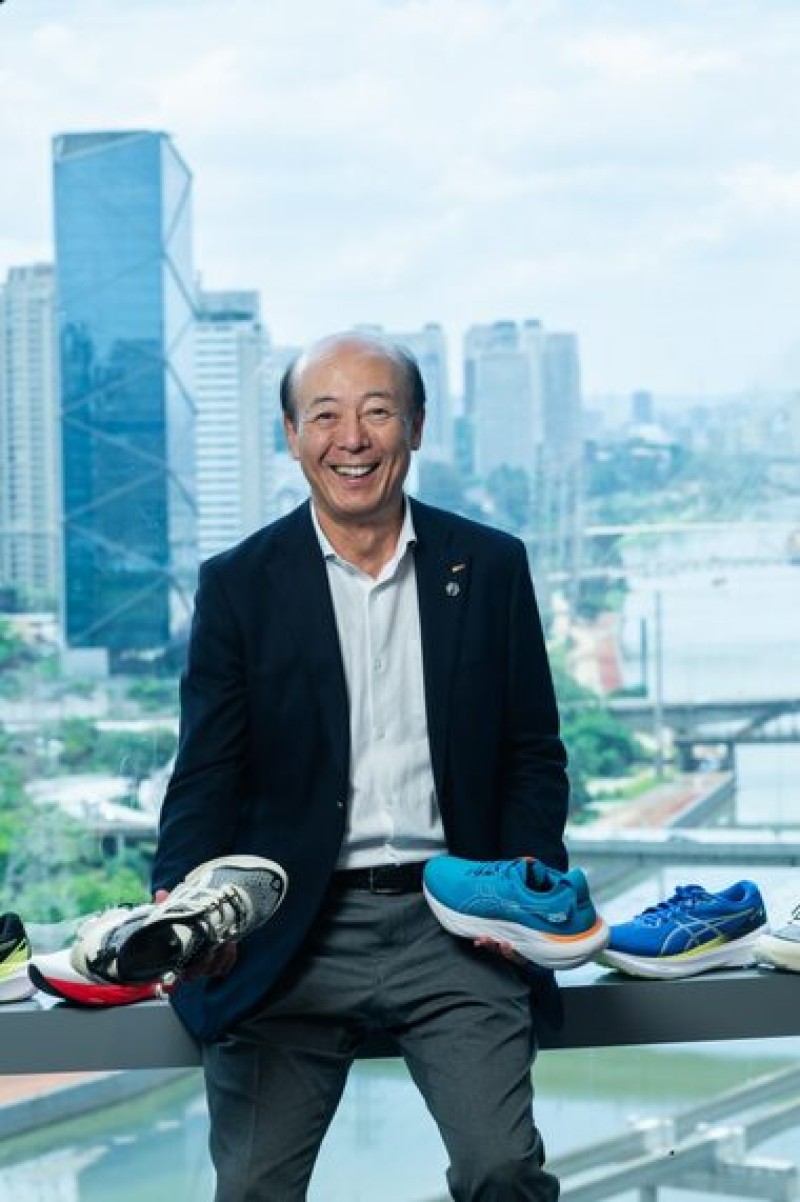
In 2018, after more than three decades with the company, Yasuhito Hirota got the call every executive dreams about. He was named CEO of ASICS Corporation, a company pulling in over 400 billion yen in annual revenue—that's about $3.6 billion. The job came with serious pressure. The sportswear market had gotten brutal, with competitors outspending ASICS on marketing and celebrity endorsements.
As CEO, Hirota's total compensation package sits somewhere between 150 and 200 million yen per year, which works out to about $1.3 to $1.8 million when you include salary, bonuses, and stock options. It's serious money, but here's the interesting part—it's actually modest compared to what American CEOs at similar companies make. That's just how Japanese business culture works. Under his watch, ASICS has doubled down on what it does best: making technically superior running shoes. He's also pushed the company into lifestyle products and navigated them through the COVID mess without laying off massive numbers of people.
What the ASICS CEO Is Worth Today
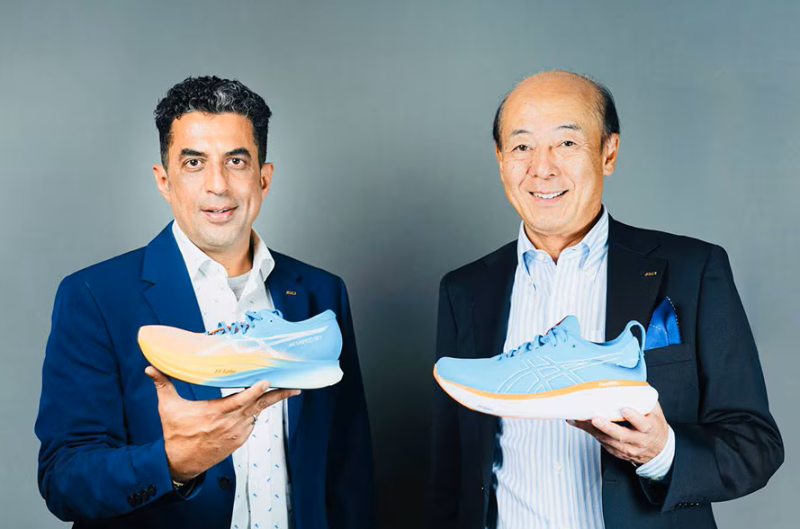
Nobody knows Hirota's exact net worth because he keeps his finances private, as most Japanese executives do. Industry watchers estimate he's sitting on somewhere between 2 and 3 billion yen, which translates to roughly $18 to $27 million. That wealth didn't come from one big payday—it accumulated over forty years of saving, investing in company stock, buying real estate, and collecting executive bonuses.
His ASICS stock alone is probably worth around 1.5 billion yen based on current share prices. As of 2024, he's still earning his CEO package, and with the company posting solid quarterly numbers, his bonuses have likely been pretty healthy. The guy who started out making $1,400 a month on a factory floor is now worth tens of millions. Not bad for someone who never jumped ship to a competitor or chased the next hot startup.
Life Lessons: How the CEO of ASICS Defines Real Success
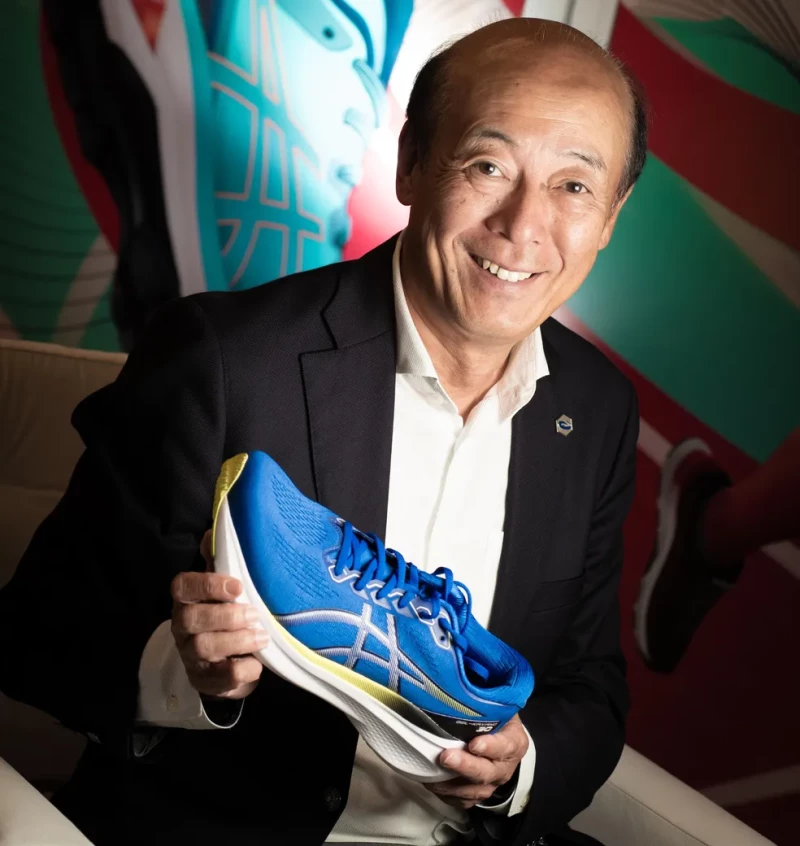
Hirota's not big on giving motivational speeches, but over the years he's shared some principles that clearly worked for him. The first one is something called "genchi genbutsu"—basically, go see things for yourself instead of relying on reports and emails. Even now as CEO, he still visits factories and retail stores, talking directly to workers and customers. He figures if he got out of touch with the actual product and the people making it, he'd lose what made him effective in the first place.
He's also obsessed with constant improvement, or "kaizen" in Japanese. There's a quote from him that gets repeated a lot: "A company that stops improving is a company that starts dying." You can see this philosophy in how ASICS keeps innovating with running shoe technology instead of just slapping new colors on old designs.
Another big thing for Hirota is thinking long-term. He's not interested in pumping up quarterly earnings if it means sacrificing the company's future. "Build relationships, not transactions," he tells his team. In an era where everyone's focused on next quarter's numbers, that's actually kind of radical.
Maybe the most important lesson is staying humble. Hirota believes leaders are supposed to serve their teams, not the other way around. He measures his success by the people he's developed and promoted, not just the profits on the balance sheet. It's a very Japanese way of thinking about leadership, but it's also just common sense that a lot of executives seem to forget once they get the big office.
 Alex Dudov