Alex Dudov
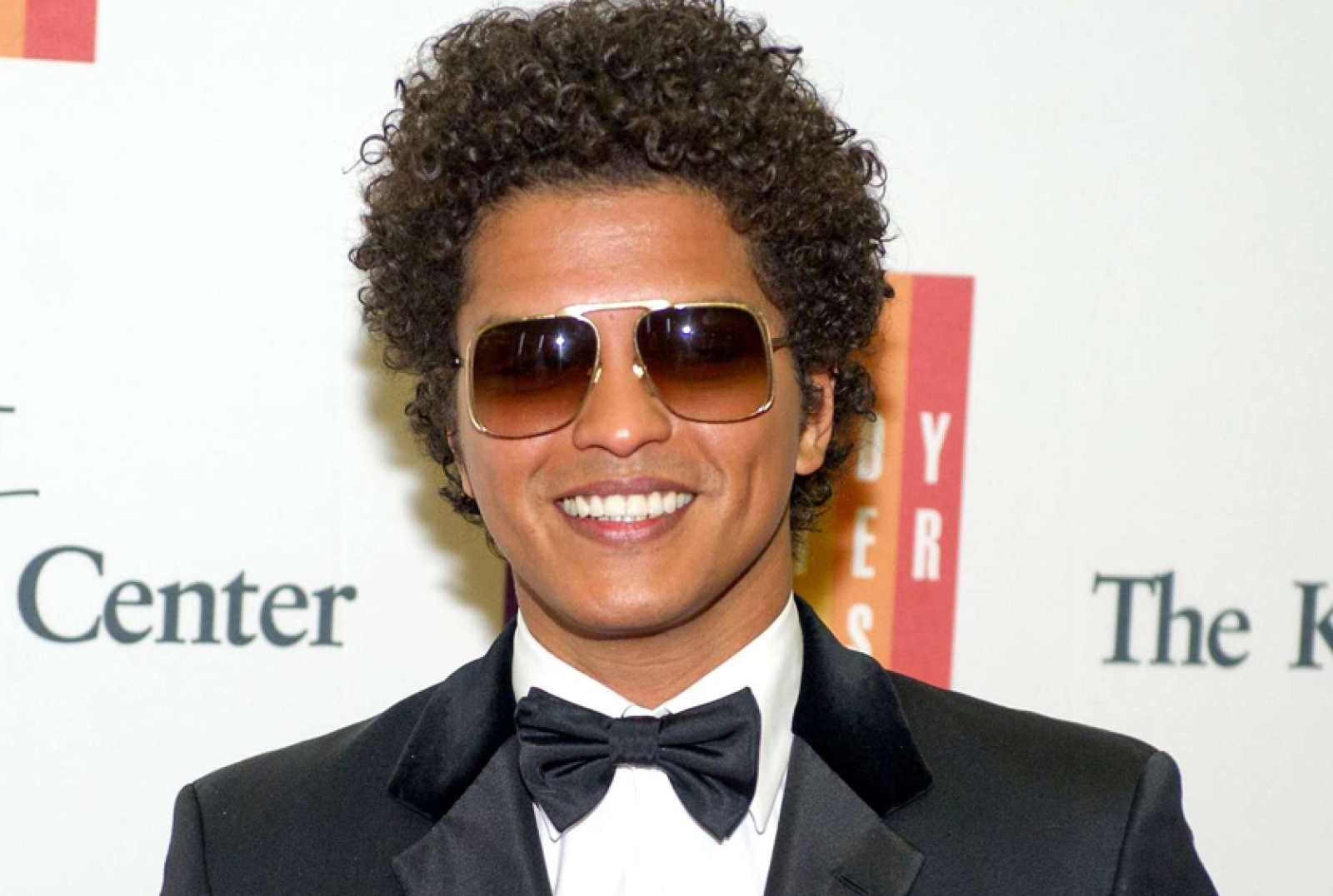
Most people know Bruno Mars as the guy who makes you want to dance the second his songs come on. But his journey to becoming a multimillionaire didn't happen overnight. The Hawaiian-born superstar spent years grinding before he became a household name, and his story shows what happens when raw talent meets serious hustle. From performing as a four-year-old Elvis impersonator to selling out stadiums worldwide, Bruno turned his childhood dream into a financial empire that keeps growing even when he's not releasing new music.
Early Days: When Bruno Mars Earned His First Dollar
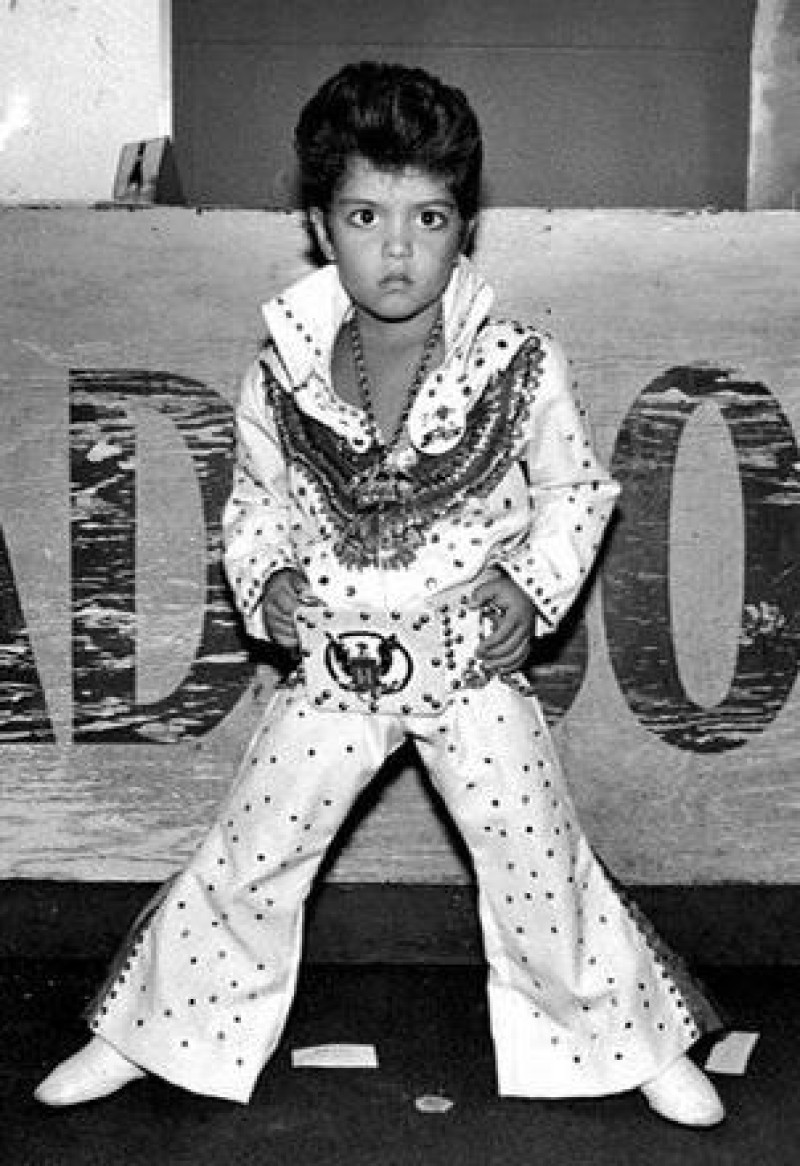
Peter Gene Hernandez, better known as Bruno Mars, started making money before most kids even thought about careers. Growing up in Honolulu, Hawaii, he performed with his family's band, The Love Notes, when he was just four years old. His uncle dressed him up as Elvis Presley, and little Bruno would charm tourists with his impersonation skills. He wasn't just doing it for fun – the kid was actually getting paid to entertain crowds. By the time he was in elementary school, Bruno was already a working performer, earning tips and small performance fees that most children his age would never see.
His first real job came when his family's show secured a regular spot at various Waikiki venues. Bruno performed five nights a week, doing Elvis routines and Michael Jackson impressions. The money wasn't huge – maybe a few hundred dollars per week that went to the family – but it gave him something priceless: stage experience. He learned how to read a crowd, how to hold a mic, and how to make people feel something. That early hustle taught him the value of entertainment as a business, not just an art form.
The Struggle Years and Breaking Through
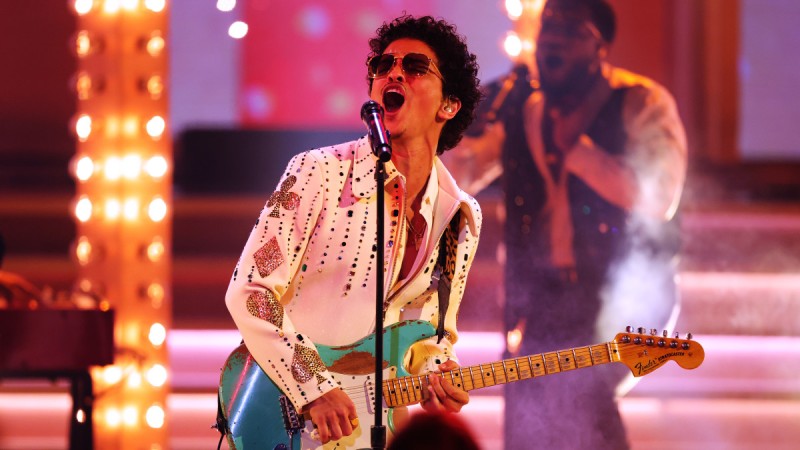
After high school, Bruno moved to Los Angeles in 2003 to chase the dream for real. This is where things got tough. He was broke, sleeping on floors, and getting rejected by every label in town. He wasn't making much money at all – basically whatever he could scrape together from small writing gigs and background work. For years, he was stuck in that classic LA grind where you're talented but nobody's buying what you're selling.
His first major break came through songwriting rather than performing. Around 2009, he co-wrote "Right Round" for Flo Rida and "Wavin' Flag" for K'naan. These weren't massive paydays yet – maybe $50,000 to $100,000 per song – but it was real money and proof he could create hits. Then everything changed when he co-wrote and featured on B.o.B's "Nothin' on You" and Travie McCoy's "Billionaire" in 2010. Both songs went massive, and suddenly Bruno wasn't just a songwriter – he was the voice everyone wanted to hear.
Bruno Mars Net Worth Growth: The Peak Years
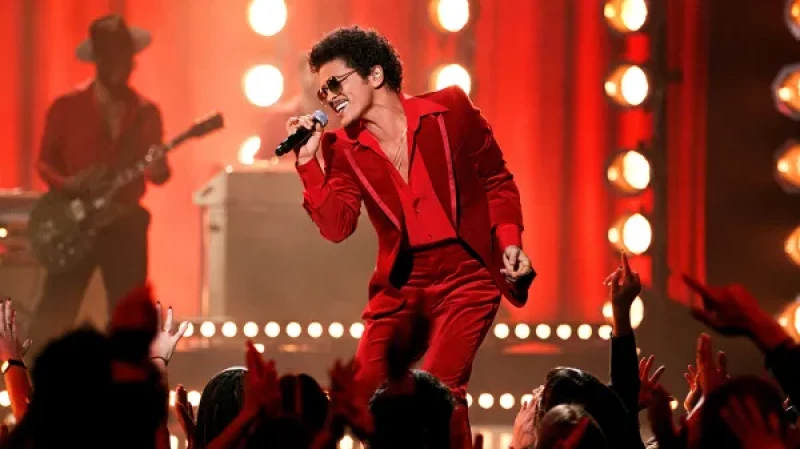
Bruno's debut album "Doo-Wops & Hooligans" dropped in October 2010, and that's when his earning power exploded. The album spawned hits like "Just the Way You Are" and "Grenade," selling over six million copies worldwide. He was probably pulling in $5-10 million per year at this point from album sales, streaming, and his first real headlining tours. But that was just the beginning.
The real money came with his second album "Unorthodox Jukebox" in 2012, featuring "Locked Out of Heaven" and "When I Was Your Man." His tours started selling out arenas instead of theaters. By 2013-2014, Bruno was easily making $20-40 million annually. His 2013 Moonshine Jungle Tour grossed over $156 million, and he performed at the Super Bowl halftime show in 2014, which didn't pay directly but boosted his value enormously.
His peak earning year was probably 2018 when his 24K Magic World Tour wrapped up, grossing over $367 million. Bruno was taking home an estimated $70-100 million that year between tour revenue, streaming royalties, and endorsements. He was playing stadiums, charging $1-2 million per show, and "That's What I Like" was dominating streaming platforms. The bruno mars net worth figure shot past $100 million during this period.
Current Financial Status and Earning Power
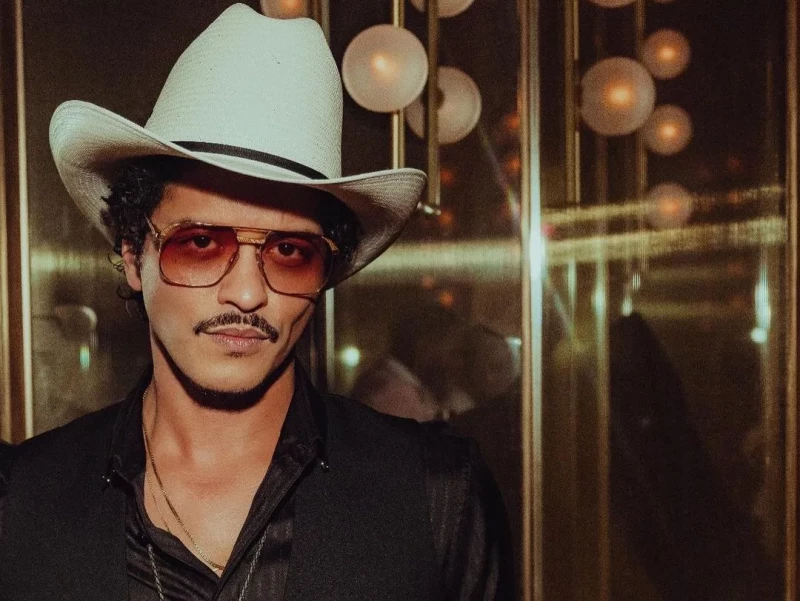
Today, Bruno Mars net worth sits at approximately $175 million according to most estimates. He's still earning massive money from streaming – his catalog generates tens of millions annually on Spotify alone where he has over 80 million monthly listeners. His Vegas residency deal reportedly pays him $1-2 million per show, and he performs multiple nights per month at Park MGM.
In 2023, he partnered with Anderson .Paak to form Silk Sonic, and their album "An Evening with Silk Sonic" added another revenue stream. Bruno also owns SelvaRey Rum, a premium spirits brand he co-founded, which brings in additional income outside of music. He's smart about his money – he doesn't overspend on crazy expenses and focuses on investments that generate passive income.
His publishing catalog alone is worth tens of millions. Every time someone streams "Uptown Funk," which has over 5 billion streams on Spotify, Bruno gets paid. He earns somewhere between $40-60 million per year right now without even releasing new solo music, just from tours, streaming, residency shows, and business ventures.
Bruno Mars' Success Philosophy: What He Learned Along the Way
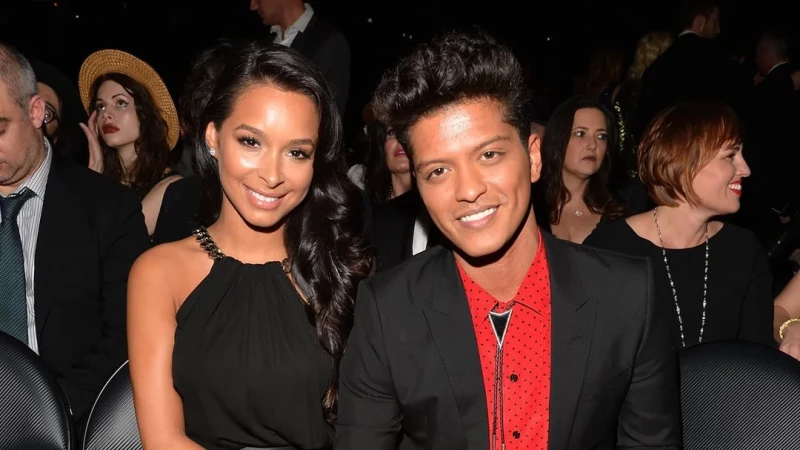
Bruno's always been pretty straight up about what it takes to make it big. His main thing? Outwork everyone else and stay humble. He talks about how those early years performing in Waikiki bars taught him that talent gets you nowhere if you're not willing to grind. You've got to show up every single day and give people a reason to care.
He's also huge on perfecting your craft before trying to blow up. Bruno spent years writing hits for other artists, figuring out what makes a song stick in people's heads. He didn't rush his debut album – he waited until he had something undeniable. That patience made all the difference because when he finally stepped into the spotlight, he was ready.
Another thing Bruno pushes hard is not limiting yourself. He jumps between pop, funk, R&B, soul, whatever feels right for the song. He thinks too many artists trap themselves trying to maintain one specific image or sound. His willingness to experiment keeps him fresh and prevents him from becoming a one-trick pony.
And maybe the biggest lesson he shares is respecting the greats who paved the way. Bruno studies James Brown, Michael Jackson, Prince – he watches their performances, analyzes their stage presence, learns from their work ethic. He's said if you want to reach that legendary status, you need to learn from the legends. That mindset of always being a student, always evolving, is what separates someone with a couple hits from someone sitting on a $175 million fortune.
 Alex Dudov