Editorial staff
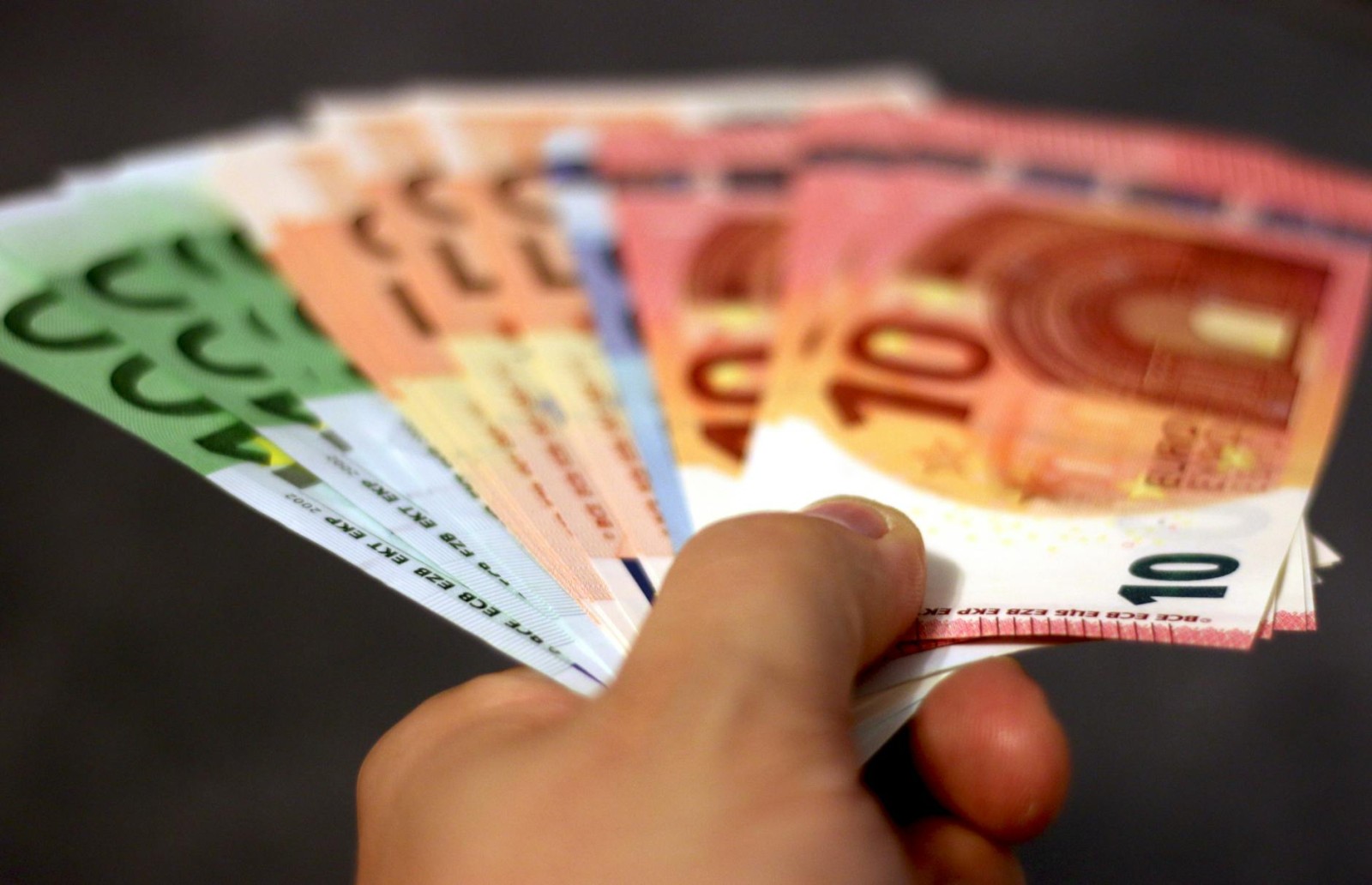
Currency markets play a vital role in the global financial system, influencing trade, investment, and everyday economic decisions. In Germany, one of the strongest economies in Europe, currency movements are closely linked to international markets and global capital flows. The exchange rate between major currencies such as the Euro and the US dollar has a direct impact on businesses, consumers, and financial institutions.
- Currency as a Foundation of the Economy
- Germany in the Global Forex Market
- Exchange Rate Mechanisms and Influences
- The Role of the US Dollar
- Exchange Rates in Everyday Life
- Long-Term Trends in Currency Markets
Understanding how forex markets operate helps explain why currency fluctuations matter at both national and individual levels.
Currency as a Foundation of the Economy
Currency is more than a medium of exchange—it reflects the economic strength and stability of a country or region. In Germany, the Euro serves as the primary currency and connects the national economy with other European and global markets. Currency values influence purchasing power, inflation, and cross-border competitiveness. Even small changes in an exchange rate can affect pricing strategies and financial outcomes.
Tracking the current exchange rate US dollar / Euro in Germany is essential, as fluctuations between these currencies directly impact import pricing, export competitiveness, and financial planning across both business and consumer markets.
Germany in the Global Forex Market
Germany is deeply integrated into international trade, making forex dynamics especially important. The forex market is a decentralized global marketplace where currencies are traded continuously. Exchange rates are shaped by supply and demand, economic data, interest rates, and geopolitical developments. For Germany, global forex movements often translate into immediate changes in currency valuations that affect exports, imports, and investment flows.
More information at wechselkurse-vergleich.de
Exchange Rate Mechanisms and Influences
An exchange rate represents the value of one currency relative to another. In the case of Germany, the exchange rate between the Euro and other major currencies determines the cost of foreign goods and the competitiveness of domestic products abroad. Economic indicators such as inflation, growth forecasts, and monetary policy decisions play a central role in shaping exchange rates. Market sentiment and global events can also trigger short-term volatility.
The Euro is a key currency in global finance and a central pillar of Germany’s economic framework. Its strength or weakness influences trade balances and investment decisions. A stronger Euro can lower import costs but may reduce export competitiveness, while a weaker Euro can support exports but increase the price of imported goods. These dynamics are closely monitored by businesses operating in international markets.
The Role of the US Dollar
The US dollar remains the dominant currency in global trade and finance. Many commodities and international transactions are priced in US dollars, making its exchange rate against the Euro particularly important for Germany. Fluctuations between the US dollar and the Euro affect energy costs, raw material prices, and cross-border contracts. As a result, currency movements involving the US dollar have broad economic implications.
Companies engaged in international operations must pay close attention to forex trends. Exchange rate changes can influence profit margins, budgeting, and long-term planning. Businesses often analyze currency movements to reduce uncertainty and improve financial forecasting. In Germany, where export activity is a key economic driver, forex awareness supports more informed strategic decisions.
Exchange Rates in Everyday Life
Currency and exchange rates also affect individuals, not just corporations. Travel expenses, online purchases, and foreign subscriptions are directly influenced by currency values. People earning income or holding savings in a foreign currency are exposed to exchange rate fluctuations. In Germany, understanding basic forex principles helps individuals better assess real purchasing power and financial risk.
Long-Term Trends in Currency Markets
Over time, exchange rates reflect broader economic fundamentals such as productivity, trade balances, and monetary policy. Long-term currency trends influence investment patterns and economic planning. For Germany, sustained changes in the Euro’s value can reshape trade relationships and capital flows. Monitoring forex developments provides insight into both short-term movements and long-term economic direction.
Currency movements and exchange rates are central to Germany’s position in the global economy. The interaction between the Euro, the US dollar, and the forex market influences trade, investment, and everyday financial decisions. Understanding how currency values are formed and why exchange rates fluctuate helps businesses and individuals navigate an increasingly interconnected financial world. In a globalized economy, awareness of forex dynamics remains an essential component of informed decision-making.
 Editorial staff