Peter Smith
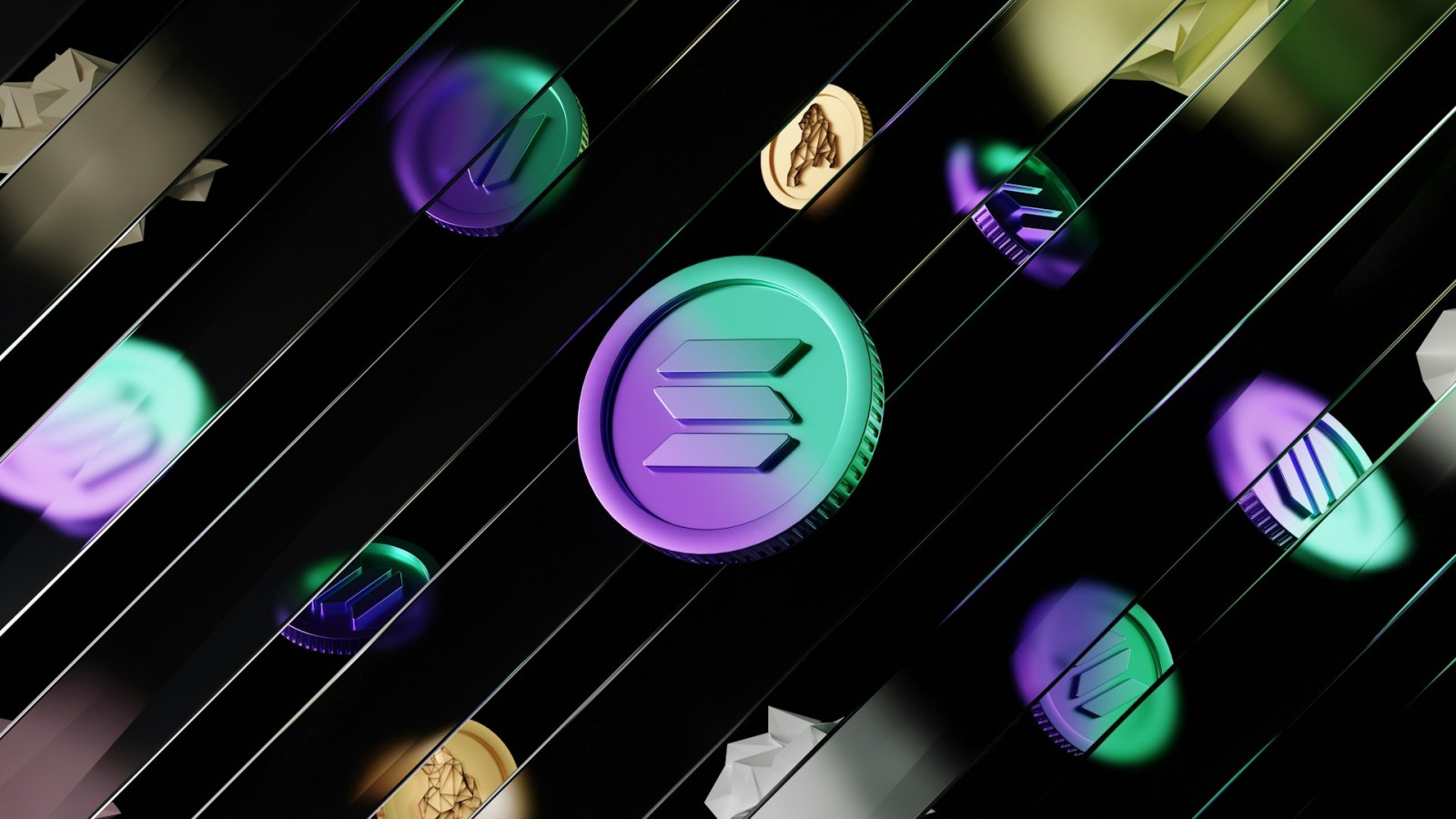
Solana’s fee model is designed to keep transactions inexpensive. This changes the kinds of consumer-facing products that can realistically run on-chain. One clear piece of evidence of this is SOL-based gaming, which relies on a high volume of small, low-cost transactions.
Economically speaking, transaction fees are like friction. The lower they get, the more feasible use cases they create. When the marginal cost of each additional transaction approaches zero, users are more likely to explore, experiment, and repeat those actions. On the supply side, developers are more likely to design experiences that rely on many small interactions rather than a few large ones.
Solana’s Low Fees and the Heavy Use of Crypto-Based Entertainment
You usually have to make repeated microtransactions when you’re playing a game or using social apps for entertainment. This is where this low-fee structure comes into play. The half-tenth of a cent transaction fee is almost negligible when making each transfer. So, you don’t need to consistently calculate the amount you spend on fees.
Low onboarding costs and fees make on-chain interactions more feasible for users. To open a wallet, you only need to make a small deposit of around 0.002 SOL or $0.20, which is refundable when you close your account. Afterwards, Solana charges a base transaction fee of 0.000005 SOL (5,000 lamports) per transaction signature. If we round up the rate to $100 per unit of SOL, it means you only need to spend $0.0005 to send SOL, send tokens, or swap tokens.
Solana also supports optional priority fees that you can add to increase the chance that a leader (validator) processes your transaction during busy periods. This will cost you up to $0.01 even when the network is very busy. So, in addition to low fees, you can also pay more for speed when you need it. This is very friendly to recreational consumer apps that generate frequent transactions.
The shift toward blockchain gaming, which includes multiple forms, is shown in reports by independent researchers. One of them notes that blockchain gaming is the most dominant product, ahead of all others, including AI, DeFi, social, NFT, etc. In Q2 2025, 20.1% of active crypto wallets engaged in gaming, while the participation rose to 25% in Q3 of the same year. In Q3 2025, blockchain gaming also attracted $129 million in investments.
User Engagement Driving Development
Low fees do not automatically drive on-chain recreational activity, but they remove a barrier. They help create a friendly network for developers, which can be explored at a low cost. Consumer activity can attract developers who care about UX, latency, and repeated engagement.
This low-friction environment is working, as developer data shows. Several reports from Electric Capital show that the Solana ecosystem was the most popular among new developers in 2024. According to available data, there are currently more than 4,000 active monthly developers using the Solana ecosystem. Over 1,600 of them are established and have been working for more than two years. The number of established developers using the Solana chain has increased by 53% in the last two years. Mid-2025 saw the highest activity, with more than 7,400 active developers on a single day.
So, while there are more dominant crypto networks like Ethereum, Solana continues to gain momentum in attracting users and developers.
Concluding Notes
Low transaction fees attract on-chain engagement, while allowing users to pay for quicker processing as needed. When it’s economically feasible for users to explore and entertain themselves, developers are motivated to create innovative and more interactive experiences.
This combination is how Solana has created its market and a consistent user base. While the long-term sustainability of the crypto industry remains unknown, Solana provides a realistic and cost-effective solution for on-chain recreation and development.
 Peter Smith