
 Marina Lyubimova
While stock traders monitor daily percentage moves, natural gas futures traders face an entirely different beast. The commodity known as the "Widowmaker" operates in a volatility zone that can shatter accounts in hours, not days. Understanding why NG futures behave so differently from equity markets could save traders from catastrophic losses.
The Widowmaker's Volatile Nature
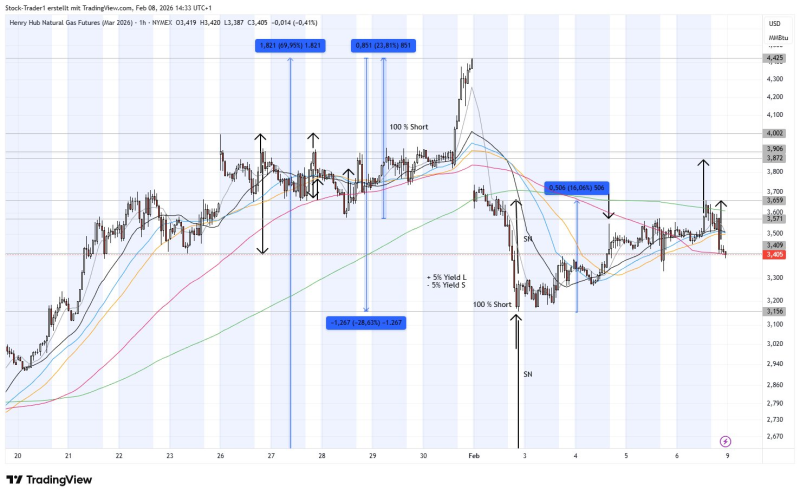
NG Natural Gas futures have earned a notorious reputation among commodity traders. The market is frequently called the "Widowmaker" because of its brutal, unpredictable price swings. Charts reveal a pattern of violent rallies immediately followed by equally sharp declines—often within the same trading session. This whipsaw behavior stands in stark contrast to the relatively steady progression of traditional equity indices.
The price action tells a story of repeated expansions and sudden reversals. Natural gas routinely experiences annualized volatility ranging between 50 and 120 percent, dwarfing the historical volatility seen in stock indexes. For context, the S&P 500 typically hovers around 15-20 percent annual volatility during normal conditions. This structural difference makes commodity market volatility comparison essential reading for anyone considering the transition from stocks to futures.
When Leverage Meets Chaos
Futures and CFD trading multiply the impact of every price tick. Small percentage moves in the underlying commodity translate into enormous gains or devastating losses on leveraged positions.
Weather events and geopolitical shocks don't give you time to think—they trigger margin calls before you finish your coffee.
The combination of extreme volatility and standard futures leverage creates a perfect storm. Extreme price swings in commodities like natural gas, oil, and cocoa can force liquidations without warning, especially when supply disruptions or unexpected weather patterns hit the market.
Why Traditional Stock Strategies Fail
The fundamental structure of NG trading differs radically from equity markets. Leveraged futures trading risk intensifies because sudden movements occur without the gradual trend development common in stocks. Weather forecasts, pipeline issues, or storage report surprises can gap prices through stop-loss orders, leaving traders with losses far exceeding their risk management plans.
Understanding these structural differences isn't optional—it's survival. Natural gas remains one of the most dangerous instruments precisely because it combines physical market fundamentals with extreme leverage in an environment where information moves faster than human reaction time.
 Marina Lyubimova



