Marina Lyubimova
Nvidia's path into China's AI market just got more complicated. U.S. regulators have laid out detailed licensing conditions governing the export of Nvidia's H200 chips, and Commerce Secretary Howard Lutnick made one thing clear: the company has to live with them. The rules were agreed upon with the State Department, and they aren't optional.
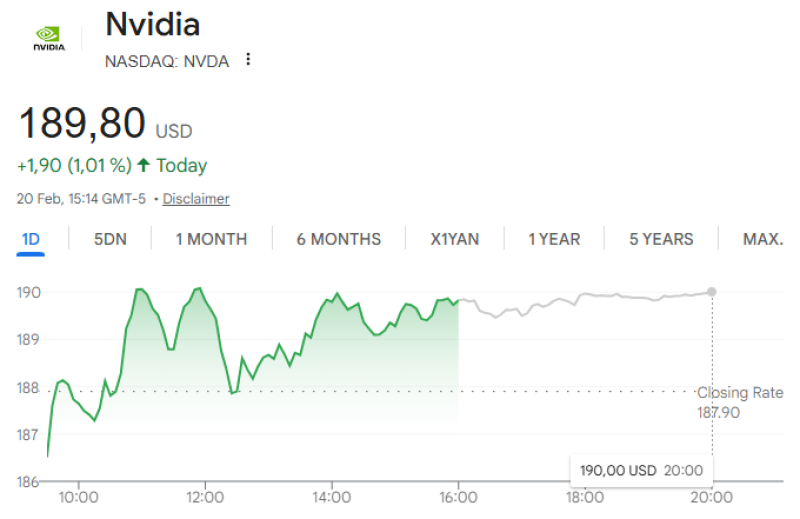
For investors watching NVDA under pressure from China's AI chip restrictions, this is the latest chapter in a story that shows no signs of simplifying anytime soon.
What the Licensing Terms Actually Require
The H200 is Nvidia's second-most advanced AI chip, and while the U.S. government has approved controlled exports following talks between President Trump and China's President Xi Jinping, the approval comes with strings attached. Among the key conditions are Know-Your-Customer requirements - basically, Nvidia needs to verify who is buying its chips and ensure they aren't being used for military or sensitive applications. According to Reuters, Nvidia has reportedly pushed back on some of these terms, which keeps the situation in a gray zone.
Nvidia must live with these conditions - U.S. Commerce Secretary Howard Lutnick
It's worth noting that the U.S. has gone further than paperwork. Reports indicate the government has planted secret trackers in Nvidia and AMD chips to prevent leaks to China - a sign of just how seriously Washington is taking enforcement on the ground.
Why This Matters Beyond One Chipmaker
Even with a U.S. export license in hand, Nvidia isn't in the clear. China's customs authorities have reportedly blocked H200 shipments at various points, creating a bizarre situation where chips are technically approved for export but practically stuck. That kind of friction makes it hard to forecast revenue and keeps investor sentiment jumpy.
The bigger picture here is about global AI hardware supply chains. Advanced semiconductors are at the center of U.S.-China competition, and how these licensing arrangements play out could set the tone for the broader semiconductor industry. The U.S. greenlighting of Nvidia AI chip exports under tight rules is a policy balancing act - allowing some access to keep diplomatic channels open, while drawing hard lines on what China can actually do with the technology. How Nvidia navigates that balance will be worth watching closely in the quarters ahead.
 Marina Lyubimova