Usman Salis
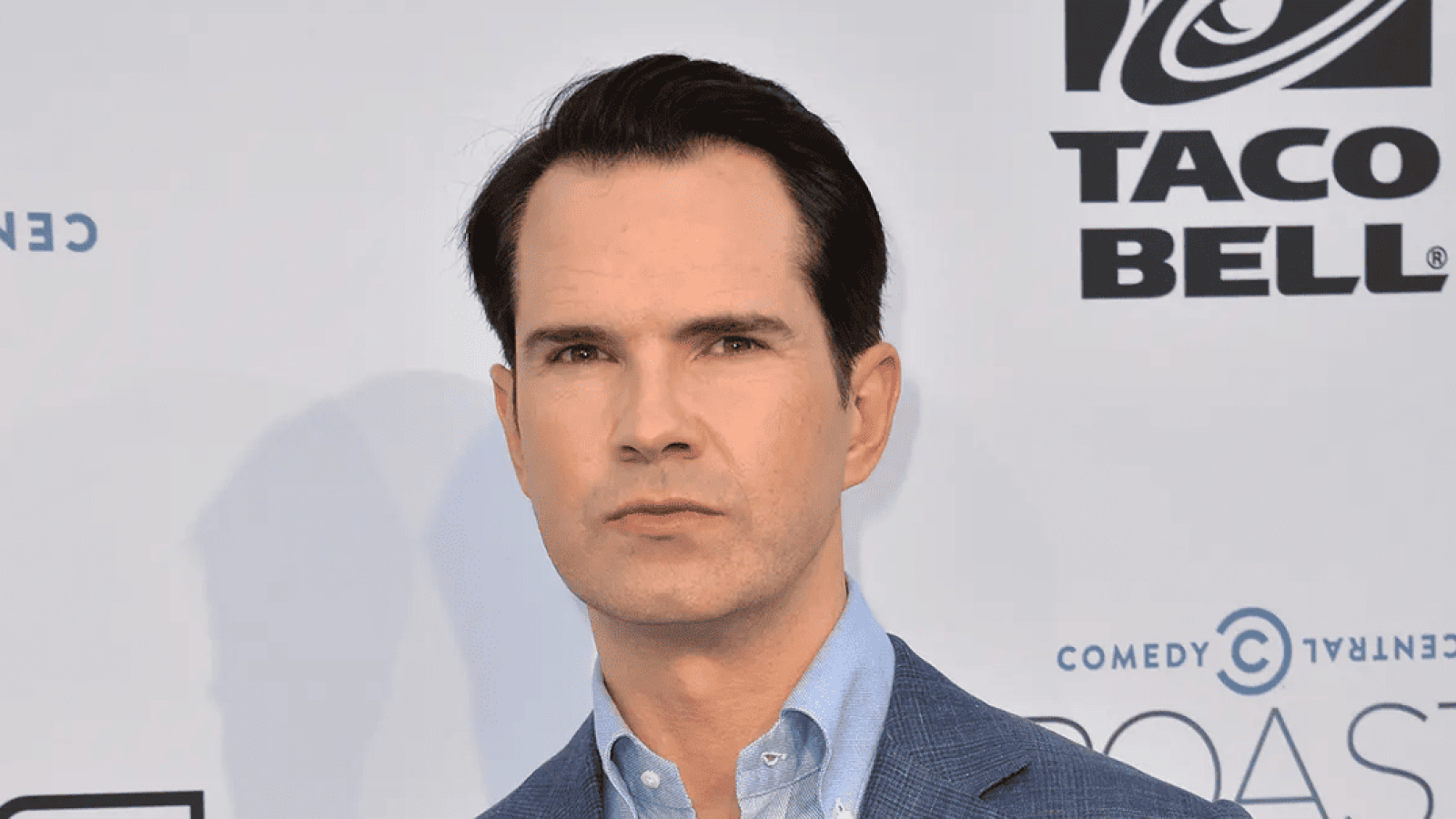
When Jimmy Carr sat down for the Diary of a CEO podcast, he didn't hold back. The conversation peeled away the polished TV personality to reveal the real story behind his rise to comedy stardom. From bombing on stage for fifty quid to selling out arenas for millions, Carr's journey is anything but conventional. What makes his story compelling isn't just the money, it's the mindset shift that took him from a comfortable but soul-crushing corporate job to becoming one of Britain's most recognizable comedians.
Jimmy Carr's Early Days: Leaving the Corporate World Behind
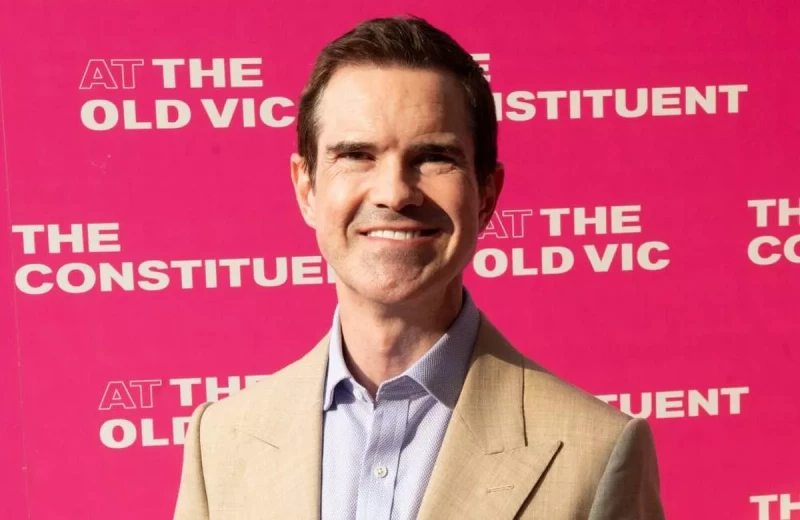
Before anyone knew his name, Jimmy Carr was grinding away at Shell as a marketing executive. It was a decent gig, pulling in somewhere between twenty-five and thirty-five grand a year in the late nineties. Safe, predictable, completely unfulfilling. At twenty-five, Carr started sneaking off to comedy clubs after work, testing jokes in front of tiny crowds who didn't know what to make of him. His first paid set earned him fifty pounds, which sounds almost insulting compared to his corporate salary, but something clicked that night. The applause, the immediate feedback, the pure adrenaline of making strangers laugh, it was everything his office job wasn't. Walking away from that steady paycheck took guts, but Carr knew he'd regret it forever if he didn't at least try to make comedy work.
Building the Career: Jimmy Carr's Rise Through the Comedy Ranks

The early years weren't glamorous. During his Diary of a CEO interview, Carr was refreshingly honest about the hustle required to break through. Those first two years as a full-time comedian, from 2000 to 2002, he was making roughly thirty to fifty thousand pounds, performing anywhere that would have him. Dingy pubs, corporate events, comedy clubs with six people in the audience, he did it all. What set Carr apart was his deadpan delivery and willingness to go darker than most comedians dared. By 2004, television producers started noticing. Landing "8 Out of 10 Cats" changed everything, suddenly he was in people's living rooms every week. Add "The Big Fat Quiz of the Year" to the mix, and his income jumped to around two to three hundred grand annually. The secret wasn't just talent, it was his relentless work ethic. While other comedians did twenty shows a year, Carr was doing two hundred, constantly refining his material and building a loyal following.
The Peak Years: When Jimmy Carr Hit Comedy Gold
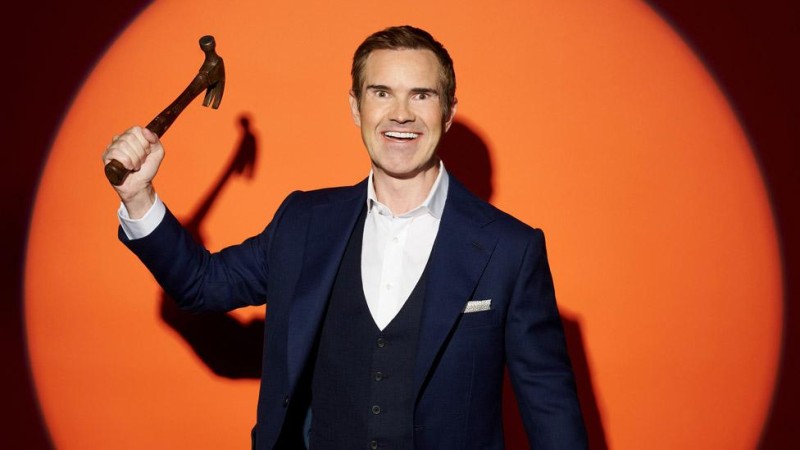
The 2010s were Jimmy Carr's golden era. During the Diary of a CEO conversation, he opened up about earning between two and three million pounds a year at his peak. That money came from everywhere: massive arena tours selling tens of thousands of tickets, multiple TV hosting gigs, panel show appearances, DVD sales back when those mattered, and eventually Netflix specials. His tours became events, with fans queuing around the block to see his brutally honest, no-holds-barred comedy style. Today, Carr's net worth sits somewhere between twelve and sixteen million pounds. He's not slowing down either, still pulling in about one and a half to two million annually. Twenty-five years after leaving that marketing job, he's proof that betting on yourself can pay off spectacularly.
Diary of a CEO Jimmy Carr Wisdom: The Success Blueprint
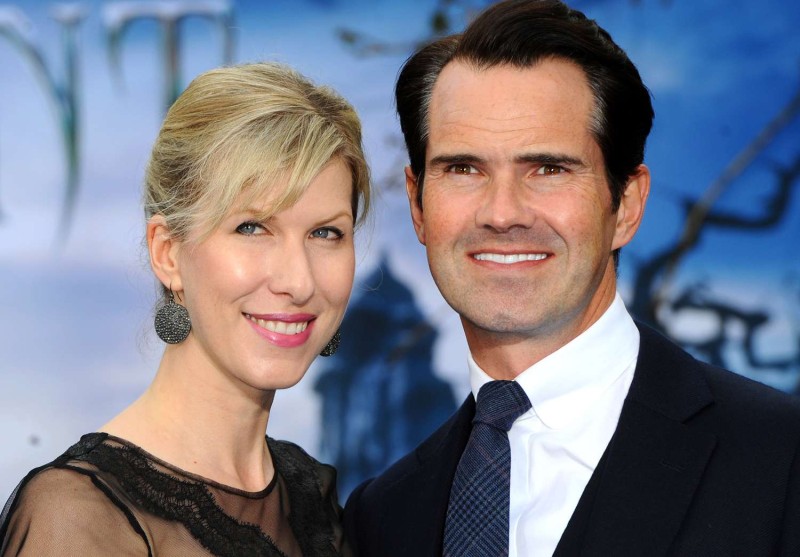
When Steven Bartlett pressed him on the Diary of a CEO about what actually worked, Carr got real about his approach. First up, volume beats perfection every single time. He didn't wait until he was ready or his material was flawless. He just got on stage, bombed repeatedly, and learned from every awkward silence. Those early failures weren't setbacks, they were his education. Second, he talked about finding your own lane. The comedy world is packed with people doing impressions of successful comedians. Carr went the opposite direction, leaning into his deadpan style and controversial material that made him polarizing but unforgettable. Third, he brought his business brain from the corporate world. Comedy wasn't just art to him, it was a business that required understanding your value, negotiating properly, and reinvesting in your career growth. Fourth, the work ethic point hit hard. Talent gets you in the door, but obsessive work keeps you there. While naturally funny people coasted, Carr outworked everyone, doing more shows, writing more material, and constantly improving. Finally, authenticity, even risky authenticity, builds real connection. Carr's willingness to be genuinely himself, controversial jokes and all, created a fanbase that felt like they actually knew him. As he put it during the interview, success isn't about playing it safe or copying others. It's about having the guts to chase what excites you and the discipline to master it through sheer repetition and smart strategy.
 Usman Salis