Sergey Diakov
- Early Struggles: When the CEO of Target Washed Trucks for a Living
- Building the Foundation: The CEO of Target's Career Climb Through Retail Giants
- Peak Success: How the CEO of Target Transformed a Struggling Retailer
- Current Standing: What the CEO of Target Is Worth Today
- Cornell's Blueprint: Core Principles from the CEO of Target on Becoming Successful
Not every CEO starts in a corner office. Some start washing trucks in the freezing New York cold, trying to scrape together enough money for college. That's exactly where Brian Cornell began—and it's a big part of what made him one of retail's most respected leaders. His story isn't just about climbing the corporate ladder. It's about a kid from Queens who lost his dad at six, grew up with a mom on welfare, and turned those struggles into something powerful. Today, he's worth somewhere between $80 and $100 million, and he's spent over a decade running Target through some of the toughest years retail has ever seen. But here's the thing—he never forgot where he came from, and that's made all the difference.
Early Struggles: When the CEO of Target Washed Trucks for a Living
Brian Cornell's story doesn't start in some fancy boardroom. He was born in 1959 in Queens, New York, and life threw him some serious curveballs right from the start. When he was just six years old, his dad died. His mom was dealing with serious heart problems and ended up on welfare just to survive. So for most of his childhood, Cornell lived with his grandparents in a small home where money was always tight.
If he wanted to go to college, he had to figure it out himself. So he did whatever jobs he could get his hands on. Winter? He was out there shoveling snow. Summer? Mowing lawns. Eventually, he got a job washing trucks at a Tropicana distribution center in Queens. Not exactly glamorous work, but it taught him something you can't learn in a classroom—what it's like to work hard for every dollar and how to connect with regular people just trying to make it.
Those experiences stuck with him. Fast forward a few years, and Cornell graduated from UCLA in 1981 with a degree in Economics. He went back for more education at UCLA Anderson School of Management in 1991. The kid who used to wash trucks? He was building the skills to eventually run some of the biggest companies in America.
Building the Foundation: The CEO of Target's Career Climb Through Retail Giants
Here's where the story gets interesting. In 1984, Cornell got his first real corporate job at Tropicana Products—yep, the same company whose trucks he used to wash. Talk about coming full circle. He started at the bottom and just kept pushing forward. Over the next twenty years at PepsiCo (which owned Tropicana), he worked his way up through sheer determination. He became President of PepsiCo Americas Beverages, then Chief Marketing Officer, and eventually President of Tropicana International. The guy literally went from cleaning their trucks to running their international operations.
In 2004, Cornell made a big move to Safeway as their Chief Marketing Officer and Executive Vice President. He was pulling in several hundred thousand dollars a year by this point and led their major rebranding campaign until 2007. Then he jumped to CEO of Michaels, the arts and crafts chain, from 2007 to 2009. This was his first shot at being a CEO, and he was making serious money—multi-million dollar packages.
But Cornell wasn't done climbing. In 2009, he became CEO of Sam's Club, Walmart's massive warehouse division that was pulling in $50 billion a year. He ran it for three years, earning millions annually while the company kept growing quarter after quarter. From 2012 to 2014, he took another big role as CEO of PepsiCo Americas Foods, managing their huge food brands. People inside the company even thought he might be next in line to run all of PepsiCo. The kid from Queens was now being considered for one of the top jobs in corporate America.
Peak Success: How the CEO of Target Transformed a Struggling Retailer
August 2014 was the moment everything changed. Target named Cornell their new Chairman and CEO, making him the first outsider ever to lead the company. But this wasn't some celebration—it was more like a rescue mission. Target was in trouble. They'd just gone through a massive data breach in 2013 that exposed millions of customers' credit card info. Their expansion into Canada was bleeding money. And Amazon and Walmart were eating their lunch on both sides.
Cornell didn't waste time. He made the hard call to completely shut down Target Canada, even though it meant admitting defeat. He pumped money into technology and digital shopping. He bought Shipt to compete in same-day delivery. He redesigned stores to actually look good again and created new store brands people wanted to buy. The whole time, he kept doing something most CEOs don't bother with—he'd regularly show up at stores and just talk to regular shoppers, asking them what they liked and what frustrated them.
And it worked. Like, really worked. Under Cornell's leadership, Target hit $106 billion in sales by 2024, with $2.4 billion in profit. In 2019, CNN named him Business CEO of the Year. In 2022, the National Retail Federation gave him their Visionary award. His paycheck reflected all that success too. In 2020, he made $77.5 million when you count all his stock that vested. His normal annual pay bounced between $17 and $20 million most years after that, depending on how the company performed.
Current Standing: What the CEO of Target Is Worth Today
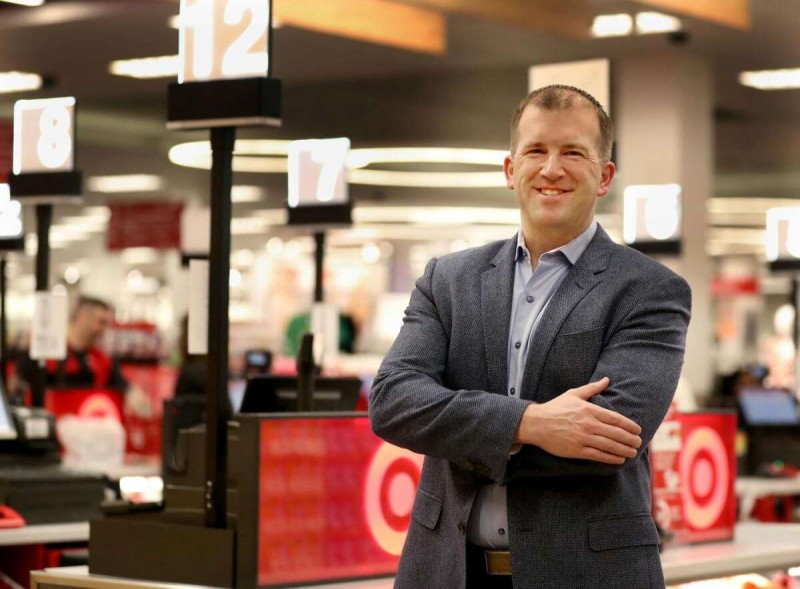
So what's Cornell actually worth now? Best estimates put him somewhere between $80 and $100 million. Most of that comes from Target stock he's accumulated over the years and his hefty CEO paychecks. As of May 2025, he owns about 353,848 shares of Target, worth around $37 million. He's also sold about $15 million worth of shares during his time there.
His yearly pay has bounced around a lot based on how Target's doing. In 2020, his base salary was $1.4 million, but his total package hit $19.8 million when you add bonuses and stock. In 2021, same story—$19.8 million. By 2022, he made about $17.6 million. In 2023, it was $18.1 million. But 2024 was tougher—his pay dropped to $9.9 million, which was 45% less than the year before. Target was struggling with sales, the stock price was down, and that hit his compensation hard.
Cornell and his wife Martha aren't exactly living in a shack. They bought a condo in Minnesota for about $1 million back in 2020, and they've got property in Siesta Key, Florida that they think of as their real home. Despite all that wealth, they're pretty generous—in 2021, they donated $10 million to Sarasota Memorial Hospital.
Here's the big news though: in August 2025, Target announced that Michael Fiddelke is taking over as CEO on February 1, 2026. Fiddelke's 49 years old and has been with Target for over 20 years—he literally started as an intern back in 2003. He was CFO before becoming COO, so he knows the company inside and out. Cornell's not leaving completely though. He's moving to Executive Chairman of the Board, so he'll still be around to help as Fiddelke deals with Target's current challenges like flat sales and losing market share.
Cornell's Blueprint: Core Principles from the CEO of Target on Becoming Successful
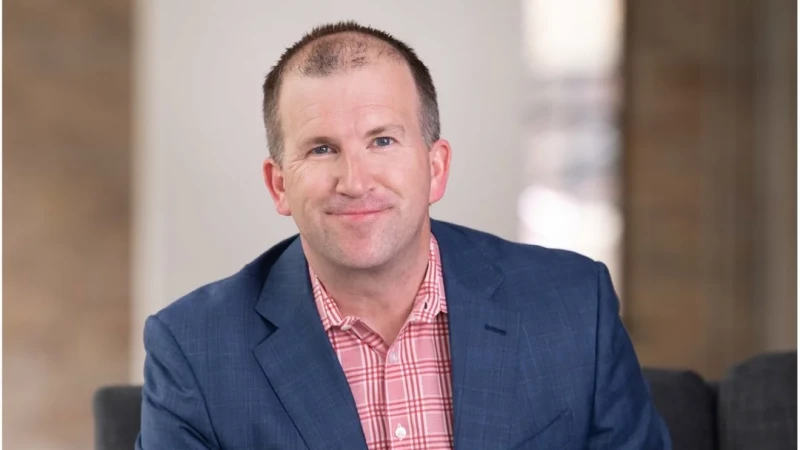
Cornell's shared some pretty clear ideas over the years about what it takes to actually succeed in business. These aren't some motivational poster slogans—they're real lessons from a guy who went from washing trucks to running a Fortune 50 company.
- Don't Hide Where You Came From. Cornell talks about his tough childhood all the time, and not in a "feel sorry for me" way. He says growing up poor with a mom on welfare gave him something most rich executives never get—he actually understands regular people who are watching every dollar they spend. Instead of pretending he came from money, he uses his background to make sure Target stays affordable for everyone. That's a huge advantage when you're trying to connect with millions of everyday shoppers.
- Stop Trying to Be Perfect All the Time. Early in his career, someone pulled Cornell aside and basically said, "You're doing great work, but you're too buttoned up. Everything's perfect, every word is rehearsed. Just be yourself and be more approachable." That was a game-changer for him. He learned that being real and genuine matters more than having every detail polished to perfection. People respond better to authenticity than they do to someone trying to look flawless all the time.
- The Customer Comes First, Period. Cornell hammers this home constantly. He talks about "the essential Cs"—Customer, Competition, and Culture. But customer always comes first. He'll show up at Target stores, walk around, and just chat with people about what they like and what bugs them. His whole philosophy is that everyone at Target should wake up thinking about what customers actually want. All the fancy technology and strategy in the world doesn't matter if you don't understand the people you're serving.
- Always Ask "Why," Not Just "What". When Cornell meets with Target's top executives, he doesn't just talk about what they're doing. He digs into why they're doing it. Why make this investment? Why is culture so important? Why this strategy and not something else? He says understanding the "why" behind decisions makes sure everything connects back to Target's bigger mission and values. It keeps the company from just chasing profits without any real purpose.
- Own Your Tough Decisions. Back when Cornell was running Sam's Club, he had to lay off 10,000 people because the company wasn't good at in-store product sampling. That was about 10% of the workforce. He didn't try to sugarcoat it or blame someone else. He just said, "This wasn't an easy decision, but it's what we need to do." The lesson? When you're a leader, you've got to own the hard calls. You can't hide from them or pass the buck.
- Do Your Best and Forget the Rest. Cornell's obsessed with legendary UCLA basketball coach John Wooden and his philosophy on success. One of his favorite Wooden quotes is: "Success comes from knowing that you did your best to become the best that you are capable of becoming." This isn't about destroying your competition or hitting some arbitrary number. It's about pushing yourself to be as good as you can possibly be. That's success—not comparing yourself to everyone else, but maximizing your own potential.
- Face Problems Head-On. When something goes wrong, Cornell's approach is simple: deal with it now, not later. Whether it was the data breach, the Canada disaster, or controversy over Pride merchandise, he's always chosen to tackle problems directly instead of hoping they go away. He says if you want to get back on offense, you've got to stop playing defense first. Fix what's broken, learn from it, and move forward.
- Build Real Relationships. Cornell changed how Target works with big suppliers like PepsiCo. Instead of treating them like vendors who just ship products, he treats them like actual partners. That means being transparent about strategy, making sure both companies win, and taking time to build genuine relationships. It's not just business transactions—it's about people trusting each other and working together toward something bigger.
Cornell's story proves something important: where you start doesn't determine where you finish. The truck-washing kid from Queens ended up leading Target through retail's craziest period in decades. He never forgot what it was like to struggle, and he used that perspective to build something that matters. Work hard, stay genuine, understand your customers, and have the guts to make tough calls when you need to. That's the real blueprint—not some overnight success story, but years of showing up and doing the work.
As Cornell gets ready to hand things over to Michael Fiddelke in February 2026, his time at Target is pretty much set in stone: he took a company in crisis and turned it into an innovation leader. He built a culture based on real values, not just corporate buzzwords. And he showed that in a world of algorithms and automation, authentic leadership that actually cares about people still makes all the difference.
 Sergey Diakov