Alex Dudov
- First Jobs: Aerobics Classes, Boxing Gyms, and $0 Budgets
- The $2M Bet: How the CEO of UFC Got Into the UFC
- Building the Brand: Career Growth as UFC CEO
- The $4B Sale: When the UFC CEO Cashed Out $360M
- What the UFC CEO Is Worth Today and What He's Building Next
- Dana White's Core Ideas on How to Become Successful
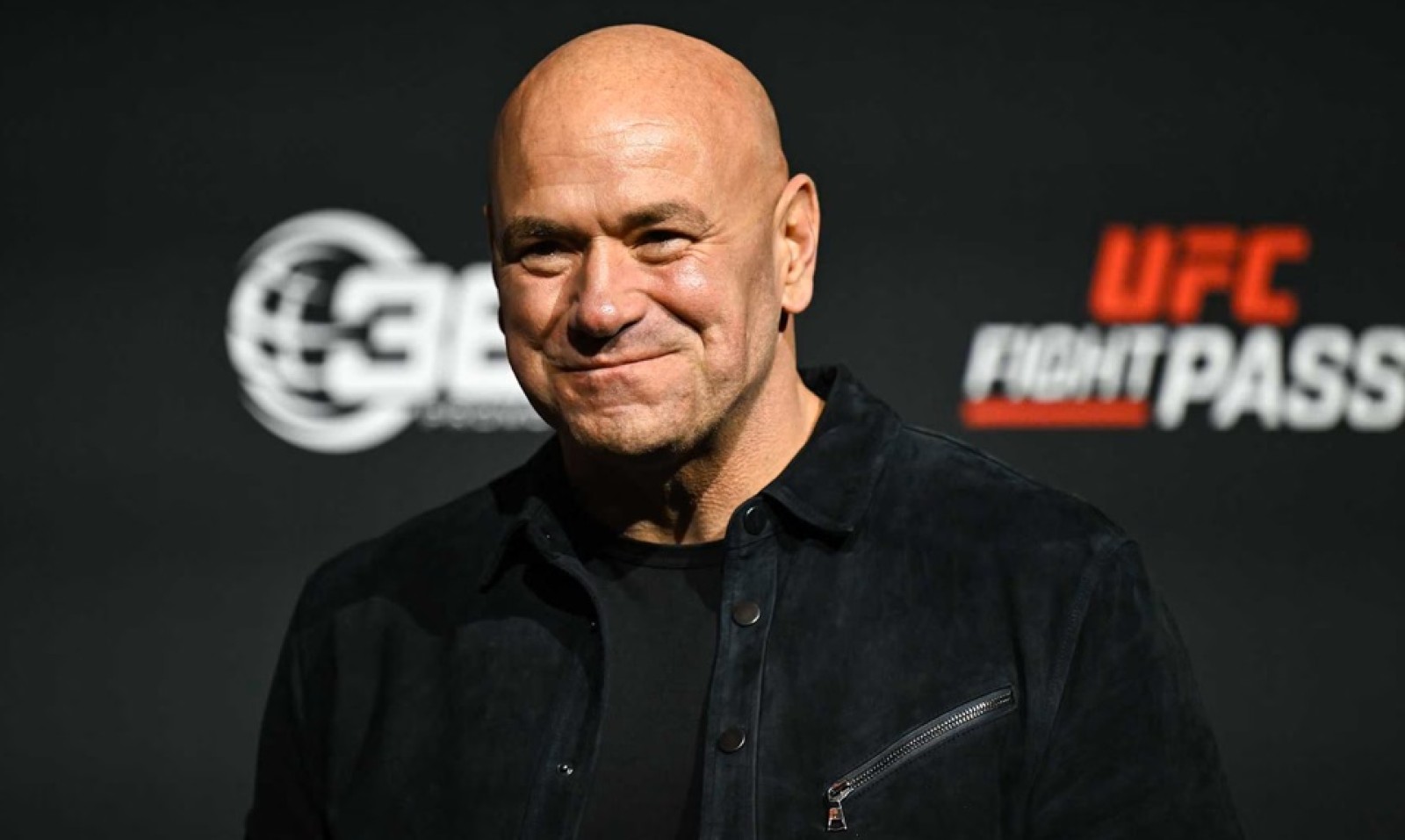
Most overnight success stories aren't really overnight. Dana White's is no exception. Before he became the face of the UFC and one of the most powerful men in professional sports, he was scraping by in Boston, running boxing classes for at-risk kids and teaching aerobics to pay rent. He had no degree, no investors, and no safety net. What he did have was an eye for potential that nobody else seemed to see. That quality alone would eventually make him worth half a billion dollars.
Today, as the CEO of UFC, White oversees a global MMA empire that stretches across dozens of countries, generates billions in annual revenue, and regularly sells out arenas from Las Vegas to Abu Dhabi. But getting there was anything but smooth.
First Jobs: Aerobics Classes, Boxing Gyms, and $0 Budgets
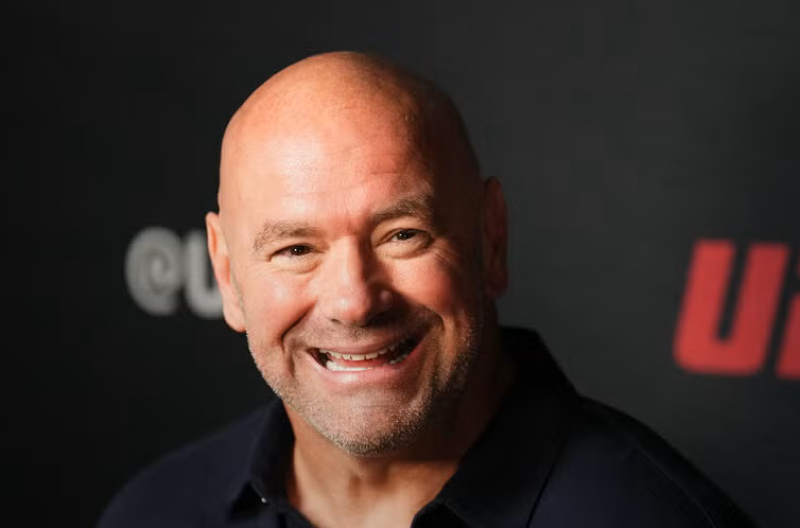
Dana Frederick White Jr. was born on July 28, 1969, in Manchester, Connecticut. His family wasn't particularly well-off. His mom, June, was a nurse, and after moving the family to Las Vegas when Dana was in third grade, money was always tight. He eventually ended up in Maine for high school, graduating from Hermon High in 1987.
He tried college briefly at the University of Massachusetts but never finished. Instead, he moved to Boston, where he started working with fighters in local boxing gyms and teaching aerobics on the side. For a while, that was his life: early mornings, small paychecks, and a genuine love for combat sports. In 1992, he relocated to Las Vegas permanently and launched Dana White Enterprises, a bare-bones management outfit. His first clients were two up-and-coming fighters named Chuck Liddell and Tito Ortiz. Neither of them was famous yet. White was betting on futures that hadn't paid out.
The $2M Bet: How the CEO of UFC Got Into the UFC
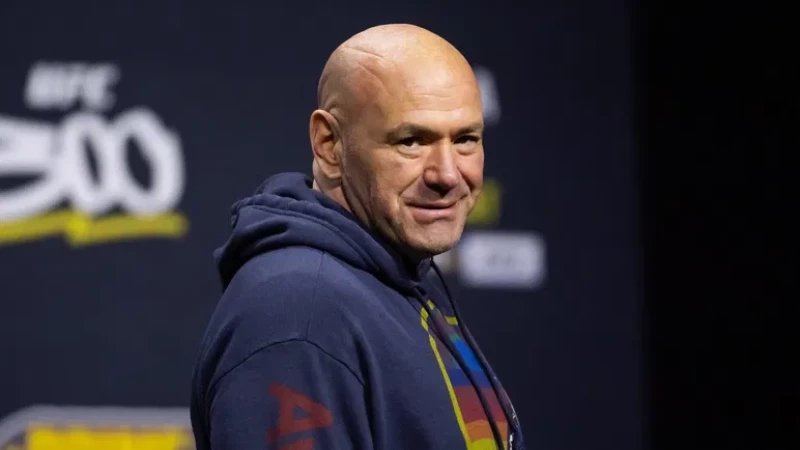
In the late 1990s, while managing Liddell and Ortiz, White started running into friction with the UFC's parent company, Semaphore Entertainment Group. During those disputes, he discovered something that changed the course of his life: the UFC was nearly broke and quietly looking for a buyer.
White picked up the phone and called Lorenzo Fertitta, a Las Vegas casino executive he'd known since high school but hadn't stayed close with. They met up, talked for hours, and White made his pitch. In 2001, Lorenzo and his brother Frank Fertitta formed Zuffa LLC together with White and bought the UFC for $2 million. White became president, took a 9% equity stake, and got to work. At the time, the UFC was losing money, was banned in several states, and was considered a fringe curiosity at best. Most people in the industry thought the Fertittas had wasted their money.
Building the Brand: Career Growth as UFC CEO
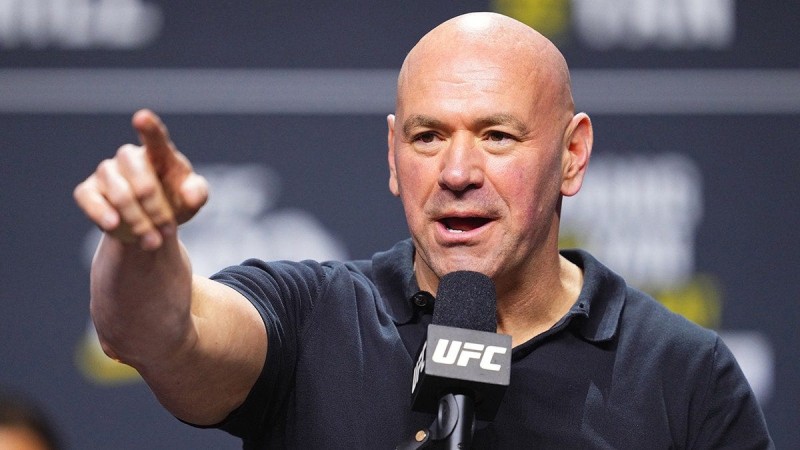
The first few years were brutal. White and the Fertittas poured tens of millions into keeping the UFC alive. They pushed for athletic commissions to sanction the sport, cleaned up the rules, and worked tirelessly on distribution deals. The break they needed came in 2005 with The Ultimate Fighter, a reality TV show that aired on Spike TV. It cost almost nothing to produce and turned into a phenomenon. The season finale between Forrest Griffin and Stephan Bonnar drew massive ratings and brought MMA into living rooms across America.
From there, things accelerated fast. By the mid-2000s, UFC pay-per-view events were regularly clearing a million buys. Stars like Chuck Liddell, Georges St-Pierre, and Anderson Silva were becoming household names. White was reportedly earning several million dollars a year by this point, though the real money was still locked in his ownership stake. The UFC's value was climbing every year, and he knew it.
The $4B Sale: When the UFC CEO Cashed Out $360M
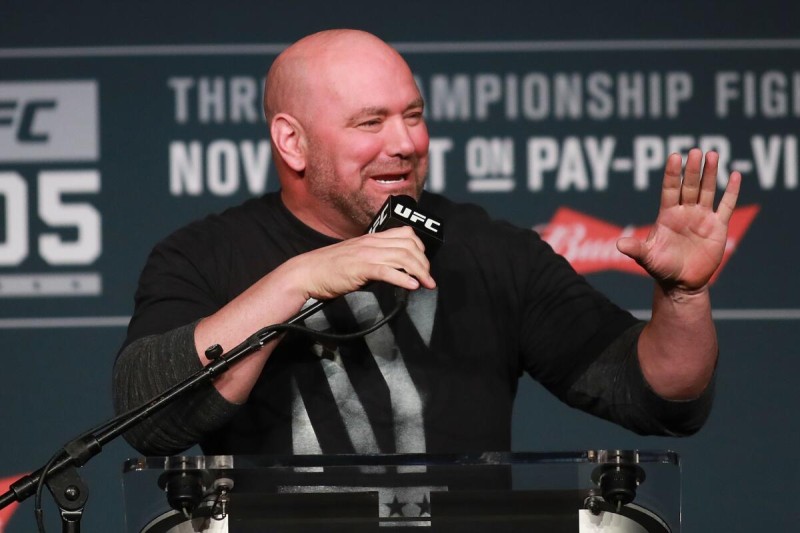
The peak moment came in 2016. The Fertitta brothers decided it was time to sell, and the UFC went to a consortium led by WME-IMG for $4 billion. It was one of the biggest deals in sports history. White, holding his 9% stake, cleared approximately $360 million after taxes. Not bad for a guy who was teaching aerobics 25 years earlier.
Rather than walk away, White negotiated to stay on as president. In 2019, he signed a new seven-year deal with ESPN worth around $1.5 billion for the UFC, locking in his role and reportedly securing a personal annual salary of around $20 million. Then in 2023, he helped pull off another massive deal: the merger of UFC with WWE to form TKO Group Holdings, a combined sports entertainment company valued at $21.4 billion. That's when his title officially changed to CEO of UFC. As of 2026, his personal net worth is estimated by Forbes at over $600 million.
What the UFC CEO Is Worth Today and What He's Building Next
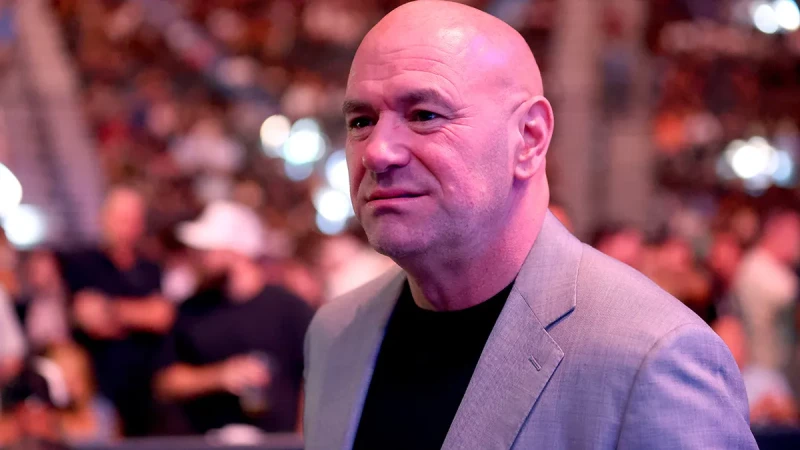
White doesn't sit still. Beyond the UFC, he launched Power Slap, a slap-fighting league, in 2022. He holds ownership stakes in Happy Dad hard seltzer and Howler Head Whiskey. In 2025, Meta Platforms invited him to join its board of directors, a move he accepted enthusiastically, saying he's a true believer in social media and AI shaping the future.
His personal spending reflects the scale of his success. He owns multiple mansions in Las Vegas's upscale Tournament Hills neighborhood, acquired for a combined total of around $6.2 million between 2016 and 2017. He has a private jet estimated at $90 million and a car collection that includes Ferraris, BMWs, a 1971 Plymouth Barracuda, and a custom Mercedes Maybach van. He's reportedly dropped $3 million in a single blackjack session and spent $2.8 million renting a yacht for a week. And in early 2026, he announced the first-ever UFC card at the White House South Lawn, calling it a "one-of-one" event in sports history.
Dana White's Core Ideas on How to Become Successful
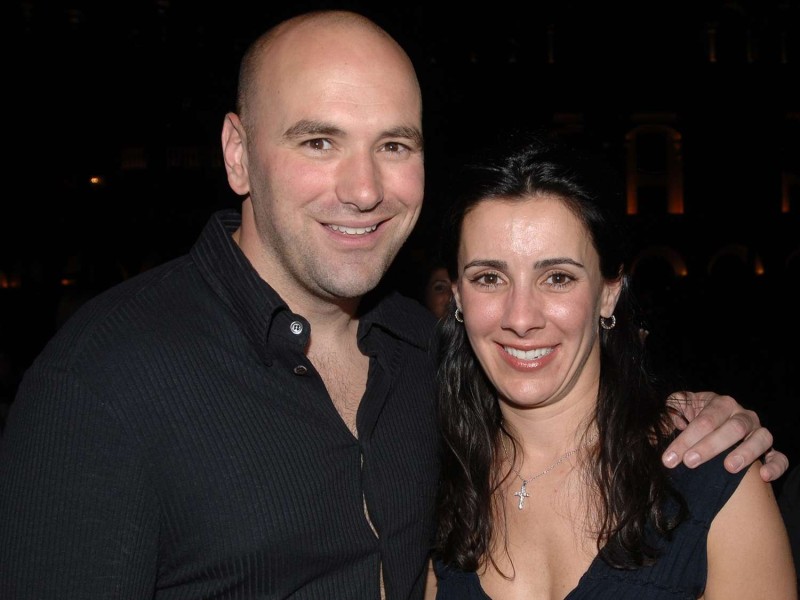
Over more than two decades as the CEO of UFC, White has been pretty consistent about what he believes drives success. Strip away the bravado, and his philosophy comes down to a handful of ideas he keeps returning to.
- See what others dismiss. White looked at a bankrupt fighting promotion that everyone was walking away from and saw a billion-dollar business. His entire career is built on backing things other people had already written off.
- Control your product. He fought hard to own the UFC's distribution, its content, and its brand. Whether it was launching UFC Fight Pass, building Contender Series, or refusing bad sponsorship deals, he never let someone else hold the keys.
- Loyalty is a long game. His partnership with the Fertittas wasn't built overnight. It came from years of shared history and mutual respect. He didn't get a $360 million payout by working with strangers.
- Stay uncomfortable. Even after becoming a multi-millionaire, White kept launching new things, entering new markets, and taking on new fights, literally and figuratively. Comfort, in his view, is where ambition goes to die.
- Build brands, not just businesses. When he joined Meta's board, he didn't say he was excited about the money. He said: "There is nothing I love more than building brands." That mindset, more than any single deal, is probably the most honest summary of how Dana White got to where he is.
 Alex Dudov