
 Editorial staff
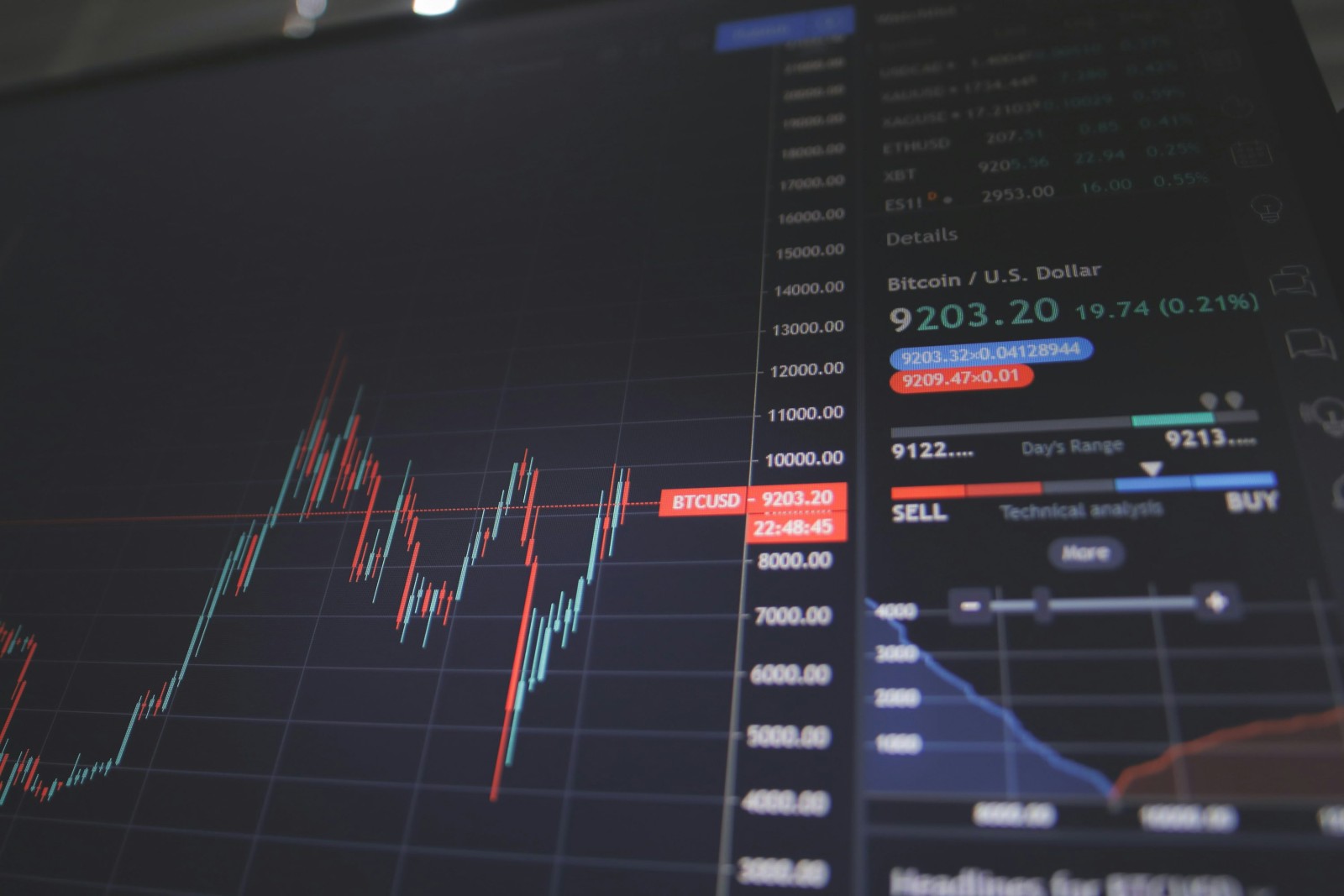
Anyone who spends time online knows how quickly things can escalate. A trending post, a viral video, or a sudden shift in sentiment can spread across platforms in minutes. Financial markets built for the digital age behave in much the same way. When prices move, they don’t drift — they surge or collapse with startling speed. This dynamic is often summarized in discussions around Why Crypto Sells Off Faster: not as a dramatic slogan, but as a reflection of how modern, always-online markets are structured.
While headlines usually blame emotions or speculation, the deeper explanation lies elsewhere. Speed, automation, and fragmented systems shape how digital assets respond under pressure — and why downturns often feel abrupt and amplified.
The Internet Effect on Financial Behavior
Digital platforms have trained users to expect instant reactions. Likes, comments, shares, and notifications all operate in real time. When financial platforms adopt the same always-on model, behavior follows.
Traders react simultaneously, often driven by the same data feeds, alerts, and social signals. When prices start falling, thousands of decisions happen at once — not gradually. Unlike traditional markets, where participation is more segmented, digital asset markets concentrate reaction speed.
This doesn’t automatically cause sell-offs, but it accelerates them when other factors align.
Automation Changes the Rhythm of Markets
One of the most important differences between modern digital markets and traditional ones is automation. Algorithms now handle a significant share of trading activity. They don’t pause to reflect or reassess narratives — they respond instantly to predefined conditions.
When prices cross certain thresholds:
-
stop-loss orders activate
-
liquidation engines kick in
-
algorithms rebalance positions
Each automated response can trigger another. What looks like panic is often a chain reaction of systems doing exactly what they were designed to do — just all at once.
Fragmentation Makes Drops Feel Sharper
Another key factor is fragmentation. Digital asset markets are spread across many platforms rather than concentrated in one central venue. Liquidity may be deep on one platform and thin on another.
When selling pressure hits:
-
some order books empty faster than others
-
prices diverge briefly
-
automated systems react to those discrepancies
This fragmentation creates the sudden “air pockets” traders notice during fast sell-offs. Prices don’t always decline smoothly; they jump, gap, and recover unevenly.
Why Infrastructure Matters More Than Narratives
Market stories change every week — macro fears, regulatory headlines, trending opinions. But infrastructure determines how those stories translate into price action.
Platforms with stronger aggregation, smarter routing, and better risk controls absorb stress more smoothly. Others magnify it. This distinction is increasingly highlighted in industry analyses, including discussions around why market infrastructure has become a central topic for digital trading ecosystems rather than a background technical detail.
In fast-moving markets, stability is less about calming emotions and more about how systems are built to handle sudden surges.
Social Speed Meets Financial Speed
Social media didn’t make markets volatile — it synchronized them. When sentiment shifts, it does so collectively. Financial platforms built for digital-native users reflect that same synchronization.
The result is a market environment where reactions are not only faster but more correlated. Everyone sees the same signals at nearly the same time.
Looking Ahead: Designing for Speed Without Chaos
Digital markets aren’t going to slow down. If anything, participation will become even more global, mobile, and real-time. The challenge for platforms isn’t to fight speed — it’s to design systems that can handle it.
Future stability will depend on:
-
resilient infrastructure
-
intelligent automation
-
diversified liquidity access
-
real-time risk management
Because in a world shaped by instant sharing and instant execution, the real question isn’t why markets move fast — it’s whether the systems behind them are built to keep up.