Editorial staff

- Who Counts as a Digital Nomad Today?
- Popular Places Offering Flexibility and Lower Living Costs
- Remote Work Has Changed Moving Trends
- The Rise of Digital Nomads Boosts Short-Term Rental Demand
- Who Counts as a Digital Nomad Today?
- Popular Places Offering Flexibility and Lower Living Costs
- Remote Work Has Changed Moving Trends
- The Rise of Digital Nomads Boosts Short-Term Rental Demand
- Property Prices Shift When Nomads Arrive
- Global Investment in Co-Living Spaces Is Rising
- Local Communities Feel the Change
- Governments Respond With Digital Nomad Visas
- What Buyers and Investors Should Expect Next
- A Future Built on Movement and Choice
The rise of digital nomads is reshaping where and how people live. More workers now enjoy location freedom thanks to remote jobs. As a result, many choose cities or regions based on lifestyle, cost, and flexibility. This shift drives noticeable changes in global property markets. The new mobility reshapes demand, prices, and investment patterns in surprising ways. Property decision-making now often revolves around choice and freedom instead of office commutes or corporate hubs.
Who Counts as a Digital Nomad Today?
A digital nomad works remotely while traveling or living abroad. These people rely on laptops and the internet, not a fixed office. Many nomads carry jobs in tech, writing, design, marketing, or consulting. They move often, chasing cost-effective and inspiring destinations.
Because of that, they value flexible housing and short-term rentals. Also, they thrive on freedom instead of rigid routines. Their lifestyle continues to grow as companies expand remote roles. Thus, their lifestyle depends on mobility, flexibility, and global reach.
Popular Places Offering Flexibility and Lower Living Costs
Digital nomads often look for places with lower living costs and good internet. Many leave expensive cities to find affordable towns, smaller cities, or even rural areas. Such places offer lower rent, a quieter life, and more space. Moreover, some countries now support remote workers with special visas and incentives. They attract nomads by offering flexible stays and lifestyle perks.
This shift changes property demand away from expensive urban centers. Also, many office markets face a record surge in office loan defaults, which pushes some investors to favor residential opportunities instead. Many people also search for destinations with strong digital services and reliable spaces to work.
Remote Work Has Changed Moving Trends
Remote work has changed moving patterns for many people. People no longer relocate to live near offices. Instead, they move to places that fit their life values. Some nomads stay in one city for a few months, then move again. Others split time between countries based on seasons or cost.
The relocation of remote workers raises demand for flexible rentals and transient housing. As a result, property markets in many regions see increased turnover and shorter leases. Investors notice the trend and adjust their plans accordingly. Countries aiming to grow their knowledge economy also welcome these mobile workers.
The Rise of Digital Nomads Boosts Short-Term Rental Demand
Many nomads prefer short-term rentals or furnished apartments. They avoid long-term leases because they often move. Therefore, demand grows for flexible accommodation — from monthly apartments to serviced flats. Investors and landlords adapt by offering furnished rentals, coworking amenities, and flexible lease terms.
This trend echoes how remote work shapes housing demand and investment focus. Indeed, as noted in how remote work is changing real estate investments, demand signals keep evolving. Nomads also search for homes that include monthly utilities, strong Wi-Fi, and simple onboarding.
Who Counts as a Digital Nomad Today?
A digital nomad works remotely while traveling or living abroad. These people rely on laptops and the internet, not a fixed office. Many nomads carry jobs in tech, writing, design, marketing, or consulting. They move often, chasing cost-effective and inspiring destinations.
Because of that, they value flexible housing and short-term rentals. Also, they thrive on freedom instead of rigid routines. Their lifestyle continues to grow as companies expand remote roles. Thus, their lifestyle depends on mobility, flexibility, and global reach.
Popular Places Offering Flexibility and Lower Living Costs
Digital nomads often look for places with lower living costs and good internet. Many leave expensive cities to find affordable towns, smaller cities, or even rural areas. Such places offer lower rent, a quieter life, and more space. Moreover, some countries now support remote workers with special visas and incentives. They attract nomads by offering flexible stays and lifestyle perks.
This shift changes property demand away from expensive urban centers. Also, many office markets face a record surge in office loan defaults, which pushes some investors to favor residential opportunities instead. Many people also search for destinations with strong digital services and reliable spaces to work.
Remote Work Has Changed Moving Trends
Remote work has changed moving patterns for many people. People no longer relocate to live near offices. Instead, they move to places that fit their life values. Some nomads stay in one city for a few months, then move again. Others split time between countries based on seasons or cost.
The relocation of remote workers raises demand for flexible rentals and transient housing. As a result, property markets in many regions see increased turnover and shorter leases. Investors notice the trend and adjust their plans accordingly. Countries aiming to grow their knowledge economy also welcome these mobile workers.
The Rise of Digital Nomads Boosts Short-Term Rental Demand
Many nomads prefer short-term rentals or furnished apartments. They avoid long-term leases because they often move. Therefore, demand grows for flexible accommodation — from monthly apartments to serviced flats. Investors and landlords adapt by offering furnished rentals, coworking amenities, and flexible lease terms.
This trend echoes how remote work shapes housing demand and investment focus. Indeed, as noted in how remote work is changing real estate investments, demand signals keep evolving. Nomads also search for homes that include monthly utilities, strong Wi-Fi, and simple onboarding.
Property Prices Shift When Nomads Arrive
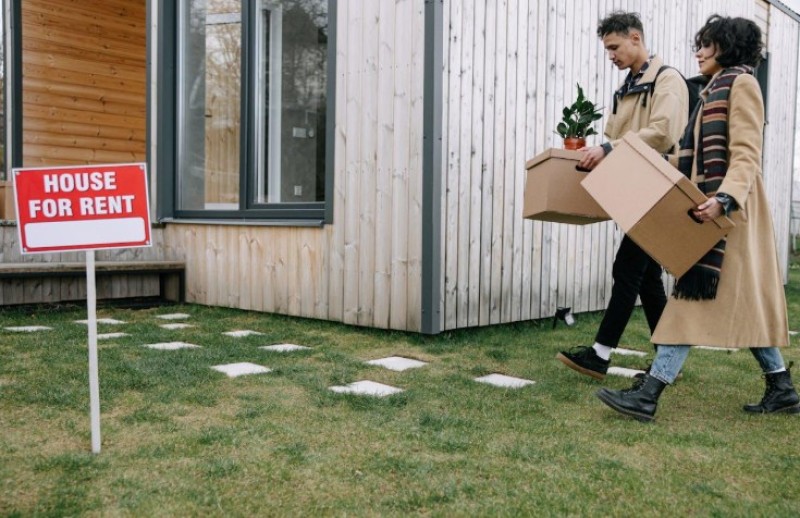
When many nomads move to a region, demand can push property prices up. Smaller cities or rural areas may see sudden interest. As demand rises, rental and sale prices can climb. Long-term residents may find housing less affordable. In some cases, local markets become cramped as housing inventory cannot match demand.
This dynamic pressures affordability and reshapes who can live there. Investors often spot these trends early and buy up properties. Some places grow prosperous, while others struggle with rapid change and strained local services.
Global Investment in Co-Living Spaces Is Rising
To match digital nomad needs, developers now build co-living and hybrid housing. These units come with shared amenities, flexible leases, and social spaces. They appeal to nomads, remote workers, and people relocating frequently. Such offerings lower entry costs and boost occupancy rates. Co-living also attracts young professionals and travelers.
As a result, this housing model grows worldwide. It simplifies moving and connects people with similar lifestyles. In many cases, these communities support networking, friendships, and stronger well-being during frequent relocation.
Local Communities Feel the Change
The rise of digital nomads often creates a mix of effects in the area they settle in. On one hand, local businesses benefit from increased spending. Cafés, coworking spots, and small shops often flourish. On the other hand, long-term residents may feel price pressure and cultural shifts. Housing becomes more competitive. Social dynamics can change quickly. Some locals welcome diversity and economic growth. Others worry about rising living costs and loss of community feel.
However, clear planning and communication can help keep both sides engaged in the process. Communities that host meetups or housing programs often build stronger relationships and maintain harmony. Cities that listen to both visitors and locals see more positive results.
Governments Respond With Digital Nomad Visas
Many countries now create visa programs for remote workers. These visas attract nomads with easy entry and stay options. They encourage foreign demand for local housing and services. Governments aim to boost tourism, tax revenue, and long-term investment. At the same time, they may regulate short-term rental markets.
This helps balance demand and protect local residents. As a result, policy becomes a key factor in where nomads choose to live. Digital infrastructure support also matters, ensuring fast internet everywhere nomads settle.
What Buyers and Investors Should Expect Next
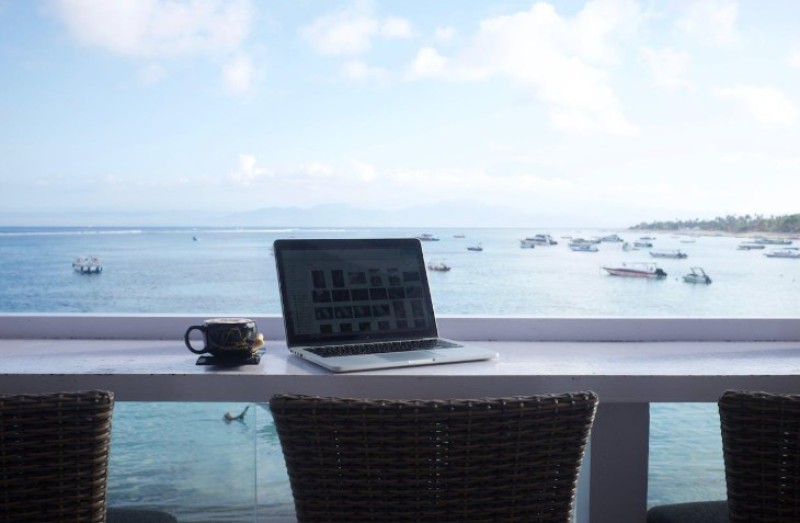
Investors need to watch shifting patterns carefully. Demand may rise in affordable regions with good infrastructure. Also, as rental growth stabilizes, some markets may cool. For example, the recent drop in U.S. rent growth shows how volatile the market can be. Prices may plateau or even fall if supply increases or demand weakens.
Smart investors may focus on flexible housing, co-living, or mixed-use properties. They must balance risk and opportunity in a changing market. Strong research and local insights improve the chance of success. New tech tools also help investors quickly track trend movements and react before the market shifts.
A Future Built on Movement and Choice
The rise of digital nomads changes property demand, pricing, and investment behavior worldwide. Remote work enables people to move freely and choose housing based on lifestyle. As a result, rentals, co-living spaces, and flexible housing become more common. Developers and investors adjust accordingly. Over time, property markets will reflect new global mobility trends and flexible living preferences. The shift seems stable, and growth is likely to continue as long as remote work remains a major choice for professionals.
Meta description
The rise of digital nomads is changing moving trends, rental demand, and global property markets with new lifestyle needs.
 Editorial staff