Sergey Diakov
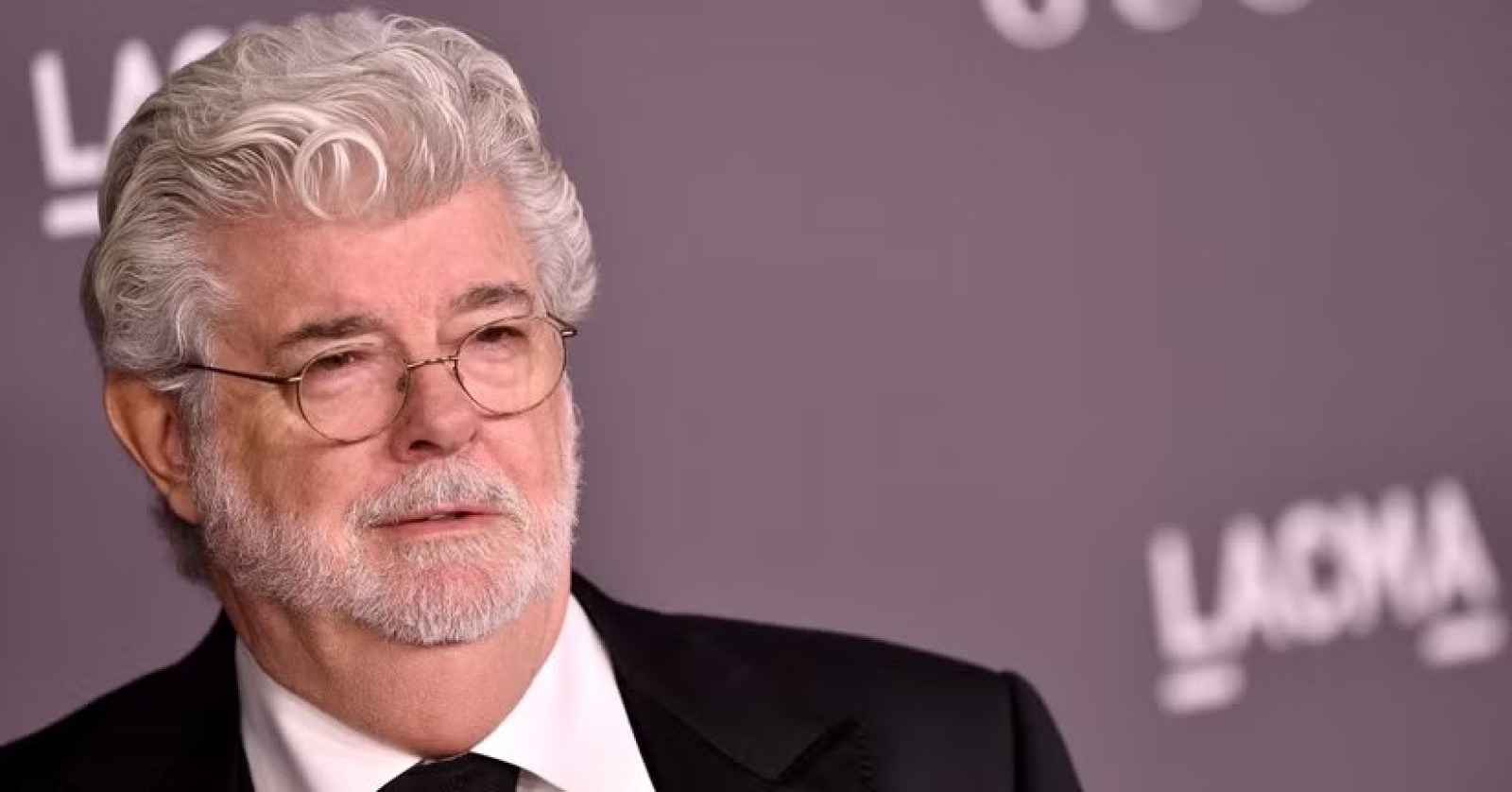
Most filmmakers dream of making one hit movie. George Lucas created an entire universe that's still printing money nearly 50 years later. The man behind Star Wars didn't just direct successful films—he rewrote the rules of Hollywood business and turned himself into a billionaire in the process. His story isn't just about making great movies; it's about making incredibly smart decisions that everyone else thought were crazy at the time.
George Lucas Net Worth and Early Career Beginnings
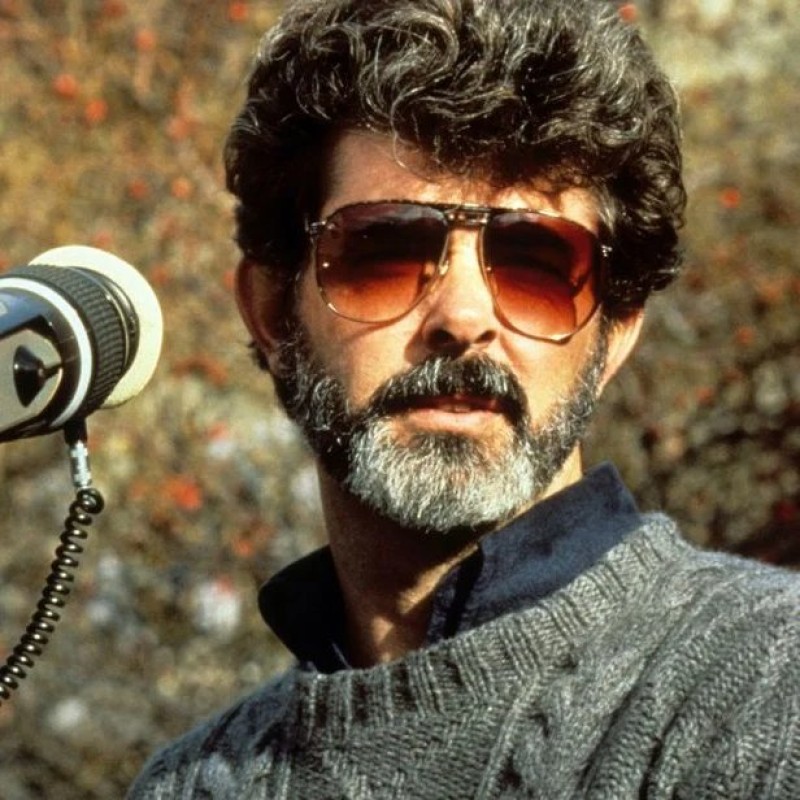
George Lucas wasn't born rich. He grew up in Modesto, California, dreaming about cars and racing before a near-fatal accident changed his direction toward filmmaking. After studying cinematography at USC, he scraped by like most film school grads—working as a teaching assistant and camera operator for whatever he could get. We're talking a few thousand dollars a year, barely enough to survive in Los Angeles.
His first real break came through Francis Ford Coppola, who saw something special in the young filmmaker. Lucas made "THX 1138" in 1971, a weird dystopian film that flopped but showed he had a unique vision. Then came "American Graffiti" in 1973—a small movie about teenagers that cost less than $800,000 but made over $140 million. Suddenly, studios were paying attention. But nobody could have predicted what happened next.
How Star Wars Transformed George Lucas Net Worth
When Lucas pitched Star Wars in the mid-1970s, every major studio thought he was nuts. A space western with unknown actors? Hard pass. Finally, 20th Century Fox agreed, but they weren't exactly enthusiastic. Here's where Lucas made the move that changed everything: he took a smaller paycheck as director but kept the merchandising and sequel rights. Fox executives probably laughed—who cares about toy sales?
Turns out, everyone should have cared. Star Wars exploded in 1977, making $775 million worldwide when movie tickets cost a couple of bucks. But the real money came from action figures, lunch boxes, posters, and everything else kids begged their parents to buy. Within a few years, Lucas was making tens of millions annually just from merchandise—more than most directors made in their entire careers.
The Empire Strikes Back and Return of the Jedi each pulled in over $500 million, and Lucas owned them outright. While other directors worked for hire, he was building an empire. By the mid-1980s, he'd also founded Industrial Light & Magic and Skywalker Sound, companies that revolutionized movie-making and added millions more to his accounts every year.
The Peak: Disney Deal and Billionaire Status
Lucas made good money through the '80s and '90s, then came back with the prequel trilogy from 1999 to 2005. Those three films grossed $2.5 billion worldwide, plus another few hundred million a year in merchandise. But the real payday arrived in 2012 when Disney offered him $4.05 billion for Lucasfilm—the whole thing, Star Wars, Indiana Jones, all of it.
Lucas took half in cash and half in Disney stock. Overnight, he joined the billionaire club. After 35 years of building the franchise, he walked away with enough money to fund whatever he wanted for the rest of his life. Some fans were upset he sold their beloved Star Wars, but Lucas was 68 and ready to let someone else handle the pressure.
George Lucas Net Worth Today and Current Earnings

Right now, george lucas net worth sits around $5.5 billion. He's not making new Star Wars movies, but the money keeps rolling in. Those Disney shares he got in 2012? They've grown significantly. He still gets royalties from his creations, and his investments keep performing.
The interesting thing is Lucas has given away billions already. He's pledged most of his fortune to education through his foundation, focusing on improving schools for kids across America. Even with all that generosity, his wealth keeps growing because Star Wars never stops being popular.
These days, he's probably making $50 to $100 million a year without lifting a finger—just from dividends, royalties, and investment returns. Not bad for a guy who started out making a few thousand bucks filming student projects.
Lucas's Key Principles for Success
George Lucas didn't accidentally become a billionaire. He followed specific principles that anyone can learn from:
- Own your stuff – Lucas turned down bigger paychecks to keep control of Star Wars. Everyone thought he was crazy, but that decision made him billions. If you create something valuable, fight to own it.
- Play the long game – While studios cared about opening weekend, Lucas built something that would matter for decades. He wasn't chasing quick cash; he was building a legacy that would pay off forever.
- Invest in the tools – Lucas didn't just make movies with existing technology—he created the technology that everyone else ended up using. ILM and Skywalker Sound became industry standards and money-makers on their own.
- Bet on yourself – Every studio rejected Star Wars. Lucas could have given up or compromised his vision. Instead, he pushed forward with what he believed in, even when the smart money said no.
- Build a universe, not just a product – Star Wars wasn't just a movie; it was an entire world with endless stories to tell. That approach created opportunities that a single film never could have generated.
- Stay independent – By keeping his independence from major studios and funding his own projects when possible, Lucas maintained control that traditional Hollywood deals would have stolen from him.
These aren't complicated secrets. They're smart principles that transformed a film school graduate into one of the richest people in entertainment. Lucas proved that creative vision plus business smarts beats pure artistic talent or pure business sense every time.
 Sergey Diakov