Usman Salis
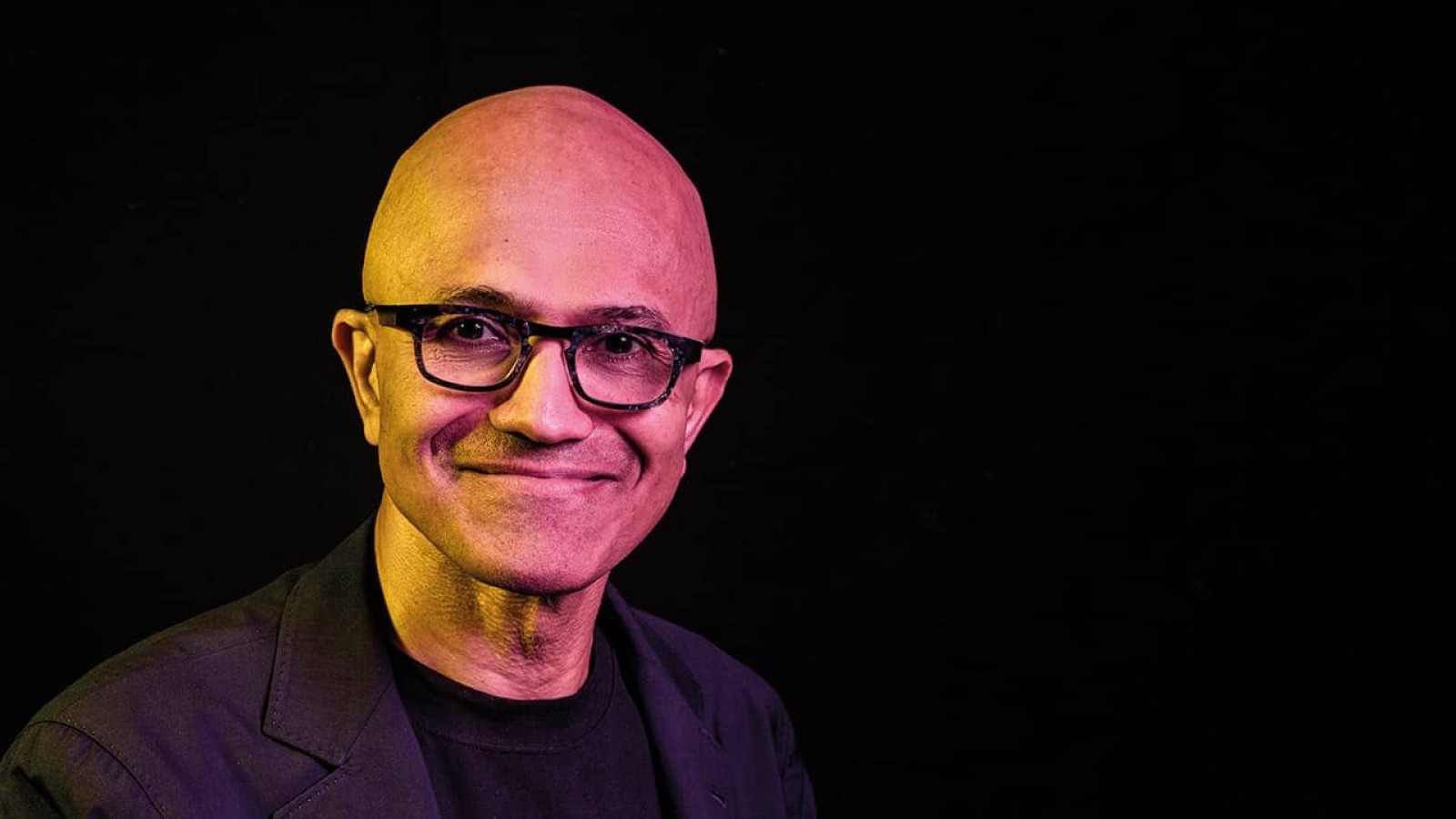
You know what's crazy? There's this guy who walked into Microsoft back in 1992 as just another engineer, probably nervous about his first day like anyone else. Fast forward three decades, and he's running the whole show, pulling in nearly $100 million a year. But here's the thing—it's not just about the money. This is the story of how one person's approach to leadership completely flipped one of the world's biggest tech companies on its head and turned it into a $3 trillion powerhouse. We're talking about Satya Nadella, and his journey is honestly wild.
Microsoft's CEO First Steps: From Sun Microsystems to Building an Empire
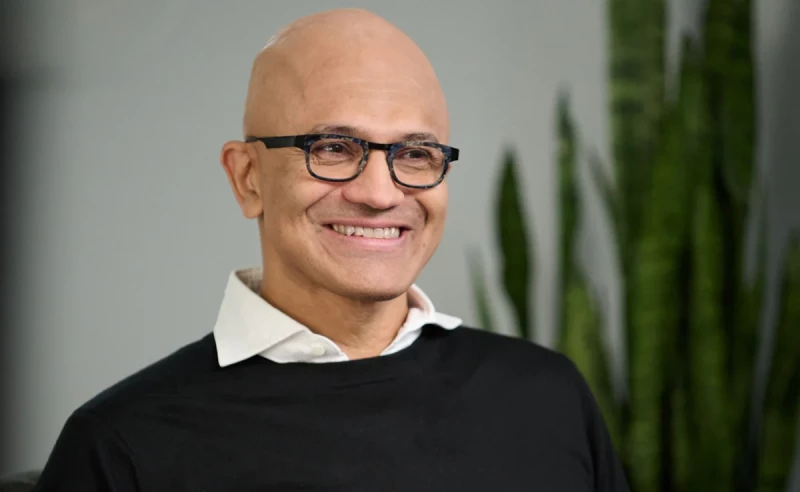
So Satya Nadella wasn't born with a silver spoon or anything like that. He grew up in Hyderabad, India, back in 1967. His dad was basically a government worker, and his mom taught Sanskrit. Pretty normal middle-class family, right? But they were big on education—like, really big on it.
After finishing his electrical engineering degree at Manipal Institute of Technology in 1988, Nadella did what a lot of ambitious Indian students were doing back then. He packed his bags and headed to America to chase bigger opportunities.
His first real tech job? Sun Microsystems. This was right after he grabbed his master's in computer science from the University of Wisconsin-Milwaukee in 1990. He worked there as part of the technology team, learning the ropes and getting his feet wet in the industry. Nobody really knows exactly what he was making back then, but it was decent enough for a fresh grad.
Then 1992 happened. Microsoft came knocking, and Nadella jumped at the chance. This was when Bill Gates was still the big boss, and Windows was just starting to take over the world. He later said something pretty telling: "I remember distinctly walking into building 22 at Microsoft in 1992 thinking that's the greatest job on earth I have and I don't need anything more."
His first gigs there? Not exactly glamorous. He worked on this interactive TV thing that totally flopped, and the Windows NT operating system. Back then, there weren't many Indian folks working at Microsoft, so he was kind of blazing a trail without even realizing it.
The Rise of Microsoft's CEO Through the Corporate Ladder
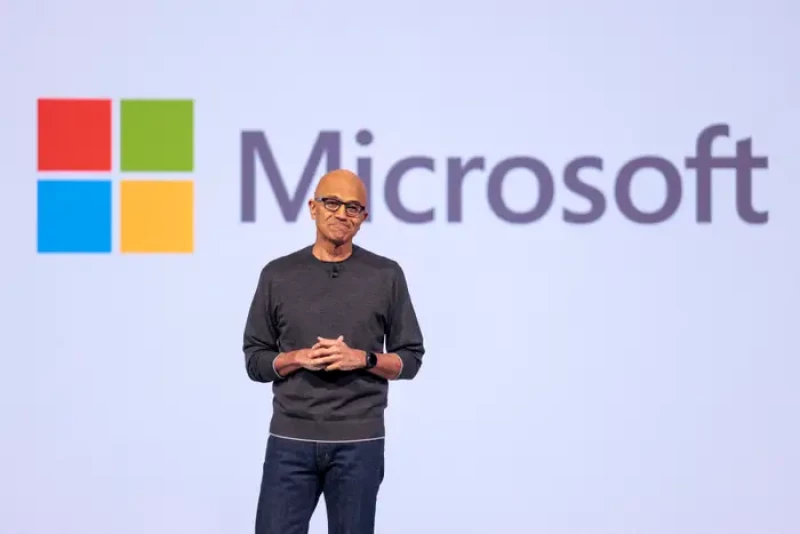
Here's where it gets interesting. Nadella didn't shoot up to the top overnight. He spent years—and I mean years—bouncing around different departments at Microsoft. Think of it like he was collecting experience points in a video game, leveling up slowly but surely.
In 2000, he landed his first executive gig as vice president of Microsoft Central. Not bad for eight years of grinding, right? The next year, boom—another promotion to corporate Vice President of Microsoft Business Solutions. The guy was clearly doing something right.
Between 2007 and 2011, he was running the Online Services Division as Senior Vice President. But honestly, the real game-changer came in 2011 when he took over Microsoft's Server and Tools Business as president. Now, this is where things get spicy. When he walked into that role, the division was pulling in $16.6 billion. Two years later, by June 2013, he'd bumped that up to $20.3 billion. Yeah, you read that right—nearly $4 billion in growth.
Money-wise, in 2013 Nadella was making a base salary of about $669,167. With all the stock bonuses and other stuff thrown in, his total package was around $7.6 million. Sounds like a lot, right? Well, hold that thought—because this was just the warm-up act.
When the Microsoft CEO Reached His Peak
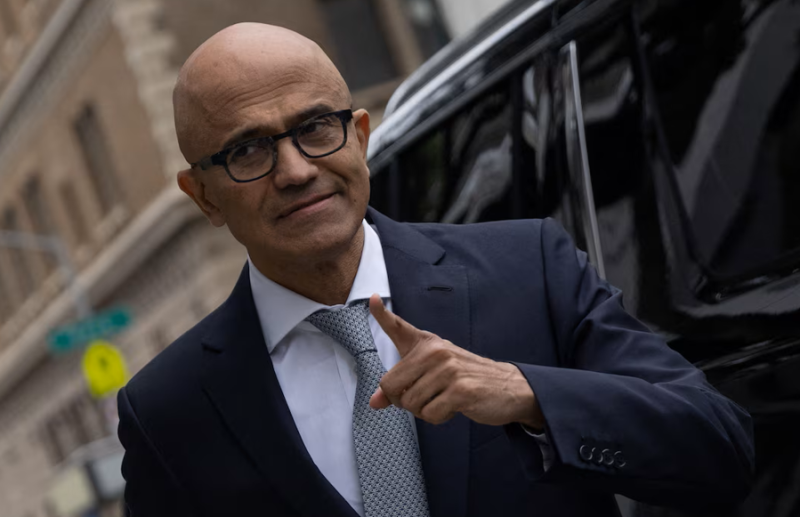
Alright, so February 4, 2014—that's the date everything changed. Microsoft announced Nadella as their new CEO. He became only the third person ever to hold that job in the company's entire history, after Bill Gates and Steve Ballmer. Talk about big shoes to fill.
But here's the thing—Microsoft was kind of a mess at that point. They were losing ground to Apple, Google, everyone. People were starting to write them off as this old, boring company that couldn't keep up with the cool kids in Silicon Valley. The whole mobile revolution was happening, and Microsoft was basically sitting on the sidelines.
Nadella's CEO package started with a $1.2 million base salary, but with all the stock awards and bonuses, it got way bigger fast. By 2016, his total compensation hit $84.5 million. That made headlines everywhere. But you know what? He earned it.
The transformation he pulled off was insane. Since he took over in 2014, Microsoft's stock went up 860%. Let me say that another way—if you'd put money into Microsoft stock the day he became CEO, you'd have almost 10 times your money back by now. The company's revenue jumped from $86 billion to $236.6 billion. The stock price? Twelve times higher than when he started.
In January 2024, Microsoft even knocked Apple off its throne for a bit, becoming the world's most valuable company with a market cap over $3 trillion. Not too shabby for a company people were calling a has-been just 10 years earlier.
Microsoft's CEO Current Earnings and Net Worth
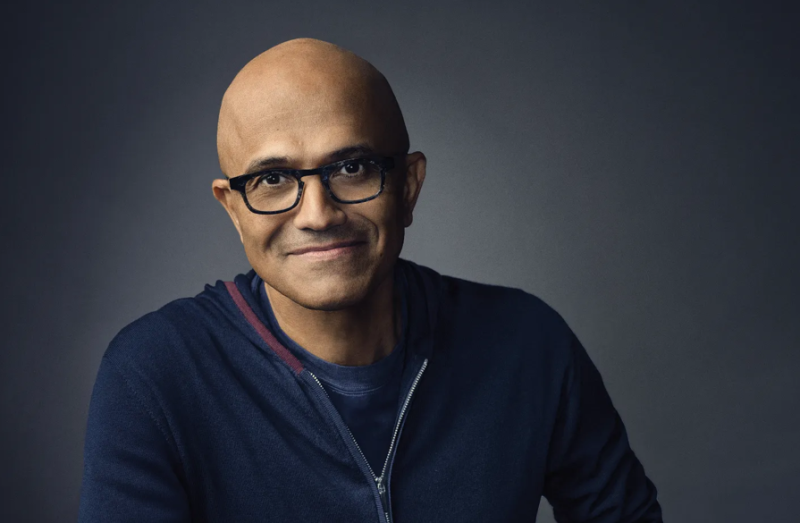
So where does Nadella stand money-wise today? Well, buckle up because these numbers are wild.
In fiscal 2024, he pulled in $79.1 million in total compensation. That's a 63% jump from the year before when he made $48.5 million. And the most recent year, fiscal 2025? He's sitting at a jaw-dropping $96.5 million.
Here's how it breaks down: He gets a base salary of $2.5 million—which honestly sounds almost modest compared to the total package. Then there's over $71 million in stock awards, plus performance-based cash bonuses on top of that.
Now here's something interesting that tells you a lot about the guy. There were some cybersecurity issues at Microsoft, and Nadella actually asked the board to cut his cash bonus in half. Like, he volunteered to take less money because he felt personally responsible. When's the last time you heard about a CEO doing that?
Net worth wise, Forbes pegs Nadella at around $1.1 billion. He owns 867,989 shares of Microsoft, which at today's prices are worth somewhere around $436 million. Over the years he's sold off chunks of his stock here and there, cashing out hundreds of millions while still keeping a massive stake in the company.
So yeah, the microsoft of ceo went from that $669,000 base salary in 2013 to nearly $100 million annually. That's about a 14,000% increase if you're counting. Not a bad decade of work.
How the Microsoft CEO Built His Success: Core Principles That Changed Everything
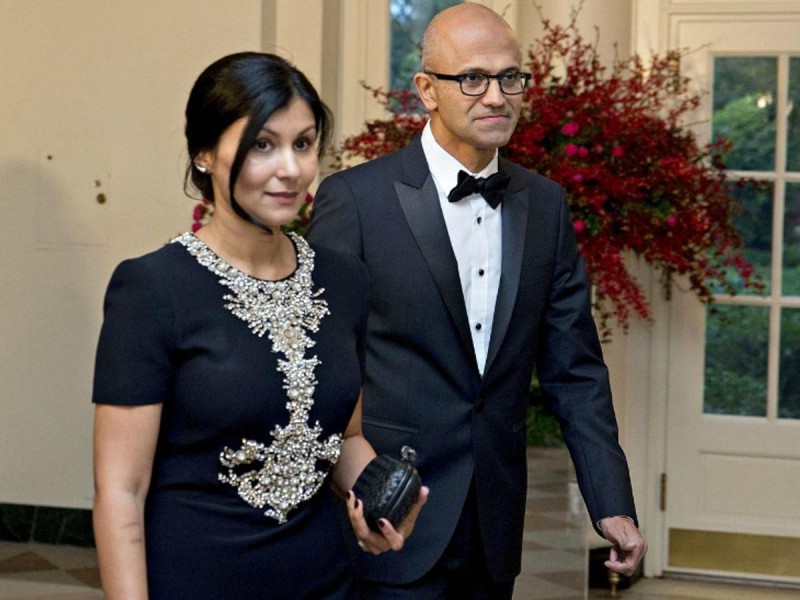
Okay, so here's where we get into the really good stuff. How did Nadella actually pull this off? What's his secret sauce? Turns out, it's not what you'd expect from a typical Silicon Valley CEO.
First off, there's this whole "growth mindset" thing. Right after becoming CEO, Nadella literally mailed every single person on his executive team a copy of this book called "Mindset" by psychologist Carol Dweck. And he wasn't just checking a box—he actually meant it. This became his entire philosophy.
He's got this quote that basically sums it up: "Don't be a know-it-all; be a learn-it-all." Think about that for a second. Most people in tech are trying to prove they're the smartest person in the room, right? Nadella flipped that completely. He made it cool to ask questions, admit you don't know something, and constantly learn new stuff. He turned Microsoft from this cutthroat place where everyone was competing with each other into somewhere people actually wanted to work together and grow.
Then there's empathy. I know, I know—when you hear a CEO talking about empathy, your BS detector probably goes off. But with Nadella, it's real. "Empathy makes you a better innovator," he says. "If I look at the most inspiring moments in my life, it's when I've been able to see the world through others' eyes."
This isn't just corporate talk for him. His son Zain had cerebral palsy, and being a father to a child with special needs completely changed how Nadella saw the world. It made him more aware, more present, more understanding of what people actually need. And yeah, that made him a better leader. He's not afraid to say it: empathy isn't softness—it's actually what helps you build better products and run better companies.
Another big thing is how the Microsoft of CEO handles uncertainty. Most leaders freak out when things get unclear. Nadella does the opposite. He focuses on creating clarity when there isn't any. He breaks it down into three parts: first, paint a clear picture of where you're going. Second, give people clear expectations but let them figure out how to get there. Third, make sure everyone knows what the company actually stands for—and then show them what that looks like in real life, not just in some mission statement nobody reads.
The guy is also obsessed with learning. Like, really obsessed. Years ago he told this Indian newspaper, "Always keep learning. You stop doing useful things if you don't learn." And he practices what he preaches. He doesn't see failure as this terrible thing you've got to avoid at all costs. To him, screwing up is just another way to learn and get better. That's how he got Microsoft to take risks again—he made it safe to fail.
Diversity is another huge deal for him. "Inclusion is not just a principle, it's a practice," he says. He genuinely believes that when you get different kinds of people with different backgrounds and perspectives in a room, you come up with better solutions. And the numbers back him up—Microsoft's innovation output went through the roof after he started pushing harder on diversity initiatives.
And finally, there's this bigger picture stuff. Nadella thinks technology should make people's lives better, period. "The business of business is improving the state of the world," he said once. It's not just about making money—though obviously Microsoft makes a ton of money. It's about using tech to actually help people and solve real problems.
What's wild is that these aren't just nice-sounding ideas. This stuff actually worked. All those crazy moves he made—partnering with Apple and Linux, companies Microsoft used to treat like sworn enemies, buying LinkedIn for $26 billion, going all-in on cloud computing—they all came from this same mindset. Stay curious, care about people, don't be afraid to change direction when you need to.
The story of how Microsoft's CEO went from making $669,000 to nearly $100 million a year isn't really about the money at all. It's about a guy who stayed humble, kept learning, valued other people, and wasn't afraid to admit when he didn't have all the answers. And somehow, that approach—which seems almost too simple to work—ended up transforming not just his career, but an entire company that a lot of people had written off as yesterday's news.
Makes you think, right? Maybe the secret to massive success isn't being the smartest person in the room. Maybe it's being the person who's most willing to keep growing.
 Usman Salis