Eseandre Mordi
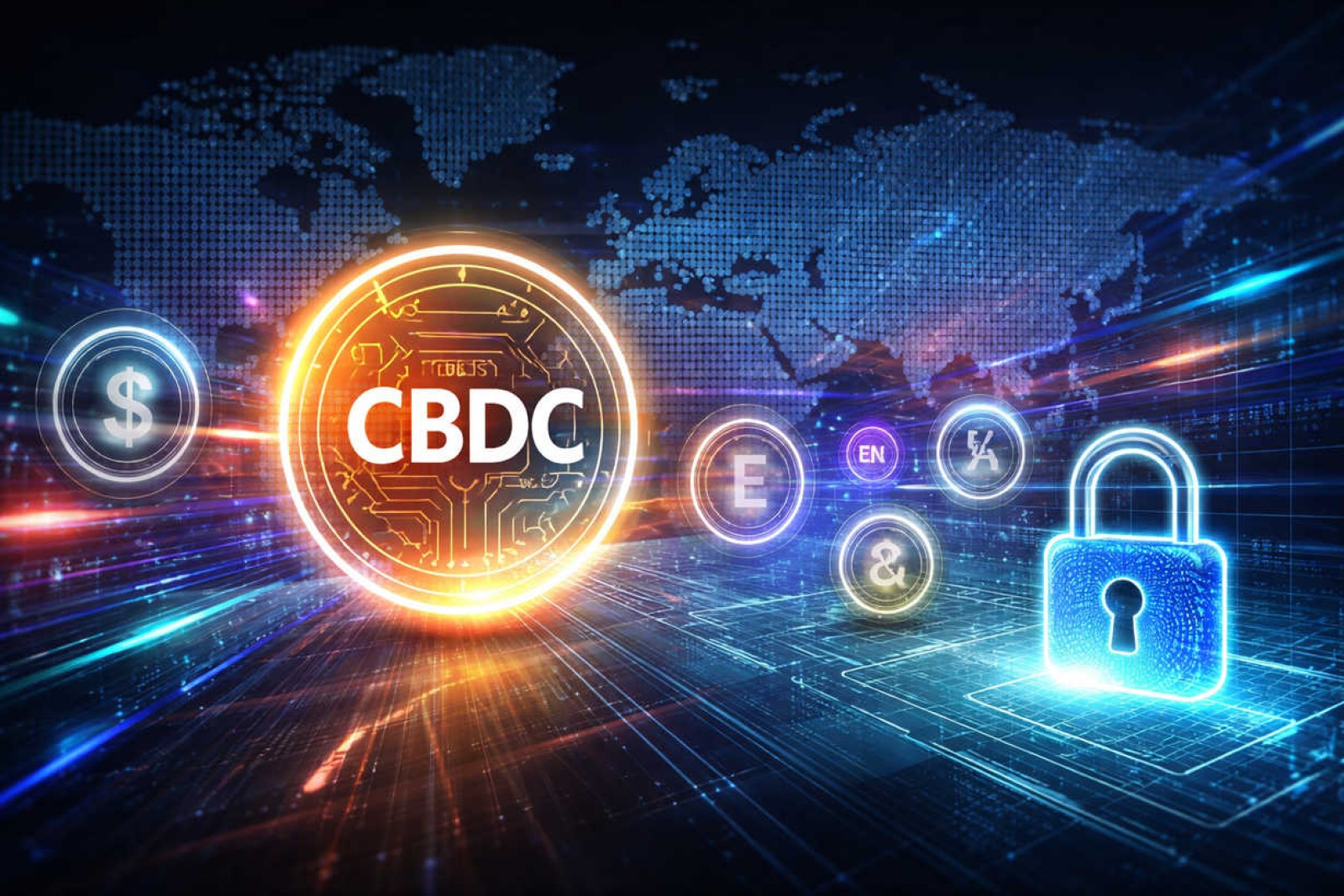
⬤ Central bank digital currencies are rapidly moving from concept to reality as 96% of nations explore digital versions of sovereign money. Legendary investor Ray Dalio stated that CBDCs now appear inevitable, but he's sounding the alarm on serious risks tied to financial surveillance and government control. As Coin Bureau reported, the shift could fundamentally change how citizens interact with money.

⬤ Dalio broke down the real implications: a government-issued digital currency would let authorities monitor every purchase you make, automatically deduct taxes in real time, and freeze or confiscate your funds whenever they deem necessary. That same infrastructure could restrict who gets access to financial services altogether. Sure, digital currencies promise lightning-fast payments and smoother settlement systems, but they completely eliminate the anonymity that cash provides.
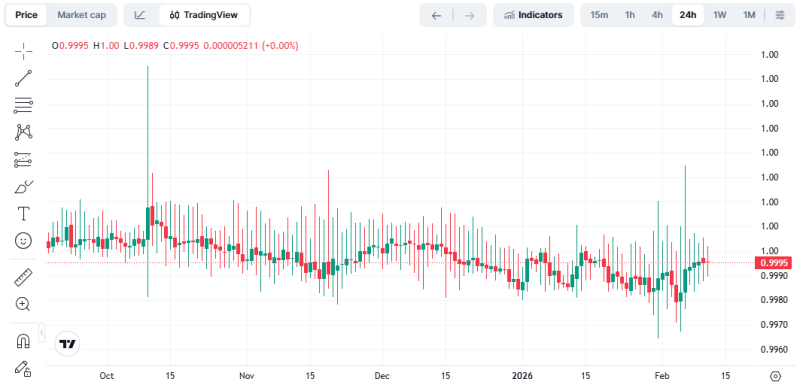
The concern centers on how programmable money changes the balance between efficiency and autonomy. Dalio explained, highlighting how this technology reshapes the fundamental relationship between citizens and their governments
⬤ The issue boils down to programmable money and who controls it. CBDCs create direct links between you and central banks—cutting out traditional intermediaries like commercial banks—but that same structure opens the door to unprecedented financial monitoring. Similar debates are heating up worldwide as regulators wrestle with implementing digital monetary systems.
⬤ This conversation reflects a massive transformation in financial infrastructure toward state-managed digital payment networks. The central bank digital currency debate, financial surveillance concerns, and future of digital money regulation continue shaping sentiment around monetary policy and digital asset adoption as these new payment technologies emerge from testing phases into potential reality.
 Eseandre Mordi